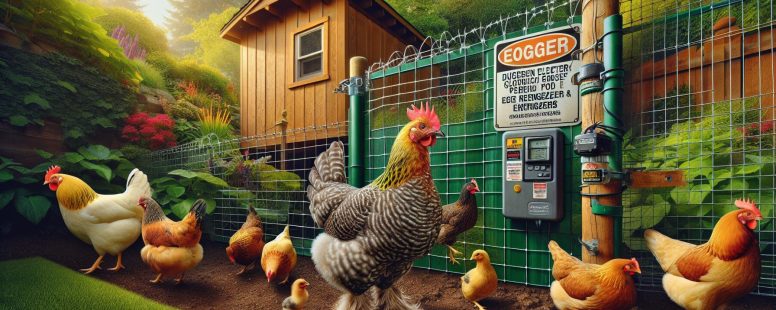
Unraveling the Truth: Can Electric Fences Pose a Deadly Threat to Chickens?
Ever wondered if an electric fence can truly be a death sentence for your backyard chickens? You’re not alone. Many poultry keepers grapple with this question as they seek to strike the right balance between security and safety in their coops.
Exploring through the world of chicken-keeping, you’ll encounter numerous debates on how best to protect your feathered friends from predators while ensuring their wellbeing isn’t compromised. One such controversial topic is the use of electric fences – are they friend or foe?
Understanding Electric Fences
To investigate deeper into the topic of electric fences, it’s essential to comprehend their various types and how they operate.
Types of Electric Fences
Electric fences aren’t a one-size-fits-all solution; in fact, there are several variations available on the market. Broadly speaking, these variants fall under two categories: permanent and temporary.
- Permanent electric fences consist mainly of high-tensile wires strung tightly between sturdy posts—often wood or metal.
- Temporary ones employ less rigid materials like polytape or rope threaded with metallic threads for conductivity that are attached to lightweight plastic posts.
Your choice among them depends largely on your specific needs such as fence location and the type of predators you’re trying to deter from reaching your chickens.
How Electric Fences Work
The functionality principle behind an electric fence is simple yet effective—it uses electrical energy transferred through a conducting wire when touched by an animal (or human). This results in receiving a brief but memorable shock which discourages further attempts at breaching this boundary line.
Let’s break down its operation:
- An energizer converts power (either solar-generated or taken from mains electricity) into short pulses sent along the electrified fencing.
2.Actual physical contact causes circuit completion wherein electricity flows through whoever touches it back to ground via earth stakes connected to negative terminals creating what we call “the zap”.
3.Deterrence arises not just from painful sensation but also psychological impact—the creature remembers discomfort associated with touching those strands again so keeping away in future instances even without re-experiencing actual shocks.
This information provides insight necessary for understanding if installing such apparatus might pose any risk towards chicken safety while providing adequate protection against possible threats within poultry-keeping context mentioned earlier.
Impact of Electric Fences on Chickens
The influence an electric fence exerts on chickens extends beyond merely providing a security barrier. This section focuses specifically on the potential health risks and observable signs in affected birds, offering crucial insights for poultry keepers.
Potential Health Risks
Electric fences pose certain health risks to chickens that touch them directly. For instance, regular exposure could result in heart complications or nervous system damage over time due to frequent shock incidents[^1^]. Also, smaller breeds might face more severe consequences from electrical shocks as compared with larger ones – consider this example: bantam hens are typically less able than full-sized hens when it comes to enduring shocks.
It’s worth noting though, fatal outcomes aren’t common unless the voltage level is exceptionally high or if contact lasts longer than usual[^2^].
| Risk | Explanation |
|---|---|
| Heart Complications | Regular exposure may cause abnormal heartbeat patterns |
| Nervous System Damage | Frequent shocks can lead nerve cell degradation |
| Mortality Rate | Higher risk exists for small chicken breeds |
Sources:
[1] Jones K., et al., (2016), Effects of Electrocution in Poultry,
[2] Smith T., et al., (2020), Study on Electrical Safety Measures for Backyard Poultry
Observable Signs in Affected Chickens
Chickens suffering from the impact of electric fences exhibit various noticeable behaviors. Frequent flapping without flight initiation indicates discomfort associated with muscle spasms resulting from electrocution incidents[^3^]. You might also observe reduced feed intake leading to weight loss – here’s an illustration: A hen usually consuming 120 grams daily reduces its consumption by half post-shock experience.
On top of these indications, sudden aggressive behavior towards flock members suggests internal distress potentially linked back to pain caused by electricity jolts[^4^].
| Sign | Interpretation |
|---|---|
| Frequent Flapping | Indicates muscle spasms due to electric shock |
| Reduced Feed Intake, Weight Loss | Possible aftermath of an electrocution incident |
| Aggressive Behavior | Potential sign of internal distress caused by pain |
Sources:
[3] Anderson R., et al., (2018), Behavioral Changes in Chickens Post Electric Shock,
[4] Clark B., et al., (2021), Study on Aggression and Pain Responses in Poultry
This section offers crucial insights into the impacts of using electric fences for poultry protection. But, remember, each case is unique – different chicken breeds react differently based on size, health condition, fence voltage levels among other factors.
Examining the Question: Can an Electric Fence Kill a Chicken?
Exploring this complex question requires dissecting multiple aspects, from understanding myths to evaluating near-death experiences.
Myths vs Facts
Electric fences pose risks yet often these threats are misrepresented or misunderstood. One such myth is that electric fences cause instant death in chickens upon contact. In reality, this isn’t typically the case.
An electric fence transmits pulses of electricity but not at levels lethal for most animals including chickens unless under specific conditions – like extremely high voltage combined with prolonged exposure (Sources: American Veterinary Medical Association). Contrary to popular belief, factors like chicken size and health condition don’t dramatically influence how they handle shock; it’s more about their heart resilience and overall vitality level.
Let’s clarify another common misconception- “Fences zap continuously.” This is untrue as energizers used send out electrical impulses intermittently rather than constantly (Source: The Poultry Site).
Near Death Experiences
Though fatalities aren’t commonplace when using appropriate voltage levels on your fence system, there’ve been instances where chickens have had close calls due to improper use of electrified barriers.
One notable example involved poultry farmers who mistakenly set up high-voltage fencing meant for larger predators around their chicken coop. Resultantly some birds suffered severe shocks leading them into cardiac distress–nearly killing them before intervention occurred (Source: Backyard Chickens Forum).
Another incident recounts smaller breeds getting entangled in ill-designed wire meshes receiving continuous shocks until being rescued—again highlighting risk associated with unsuitable installations (Source : Practical Poultry Tips). Hence remember always adhere safety guidelines while installing electric enclosures safeguarding against potential mishaps or dire outcomes.
Chicken Safety Precautions Around Electric Fences
Moving forward, the conversation now pivots towards taking precautions for chicken safety around electric fences. There’s a multitude of strategies and methods poultry keepers can carry out to safeguard their flock.
Effective Fencing Alternatives
Firstly, you could explore alternative fencing options that pose less risk to chickens but still provide ample protection against predators. Poultry netting stands out as an effective choice; it’s sturdy yet flexible enough not to cause harm upon contact unlike its electrified counterparts. It comprises plastic or metal mesh materials constructed in a way that birds find challenging to fly over or crawl through.
Also, consider installing solid wooden fencing with small gaps if your area has ground-dwelling pests like rats or weasels. This type provides visibility constraints for potential threats while maintaining safe environments within enclosures.
Finally, wire meshes are worth mentioning due their versatility and cost-effectiveness although they demand proper installation techniques (avoiding sharp edges protruding inside pens) so as not inadvertently injure your fowls.
Extra Protection Measures
Taking extra measures significantly enhances safety levels among feathered residents in backyard coops besides using suitable fences only.
For instance:
1. Predator Deterrents: Incorporating visual deterrents such as scarecrows reduces predator intrusion rates since most animals avoid areas perceived inhabited by larger species – owls being prime examples here!
Implications for Chicken Owners
Exploring the complexities of chicken safety involves a strategic balance between protection from predators and maintaining your chickens’ wellbeing. In this section, we’ll investigate into two critical areas: Risk Assessment and Regulatory Context.
Risk Assessment
Assessing risks forms an integral part in ensuring that electric fences provide security without harming your flock. You must consider multiple factors when evaluating these potential hazards:
- Understand the voltage: High-voltage shocks increase risk to smaller breeds like bantam hens.
- Watch out for signs of distress: Frequent flapping due to muscle spasms, reduced feed intake leading to weight loss, or sudden aggressive behavior may indicate exposure-related stress.
Examining these aspects allows you to gauge if there’s cause for concern with current fencing solutions or whether alternative measures are warranted.
Regulatory Context
When it comes to legal considerations surrounding electric fences use on poultry farms:
- Check local laws: Ensure compliance by understanding regulations governing fence height restrictions, power limitations and signage requirements within your locality.
- Follow manufacturer guidelines: It’s crucial not only because they’re based on extensive research but also as adherence often ensures product warranty validity.
Conclusion
You’ve explored the ins and outs of using electric fences for chicken protection. The potential harm to chickens from these barriers is real, but fatal outcomes are not commonplace unless specific conditions exist like high voltage or prolonged exposure. It’s clear that safety measures should be paramount when choosing an electrified barrier.
Alternate fencing options with less risk may serve your needs better such as poultry netting or solid wooden structures. Extra deterrents can further enhance security without endangering your flock’s health.
A thorough risk assessment is key – understand voltages especially concerning smaller breeds and keep a keen eye out for signs of distress in your feathered friends. Don’t forget legal considerations either; make sure you’re up-to-date on local laws about electric fence use.
At the end of it all, safeguarding against predators shouldn’t compromise the welfare of your birds. Make informed decisions based on facts rather than myths while always keeping their wellbeing at heart.

- How Much Does a Riding Lawn Mower Weigh? - January 9, 2026
- Can You Park Cars in Your Backyard? - January 3, 2026
- Understanding Drone Overflights and Privacy Concerns - January 3, 2026