
Stop the Shortcut: How to Keep Neighbors from Driving on Your Lawn
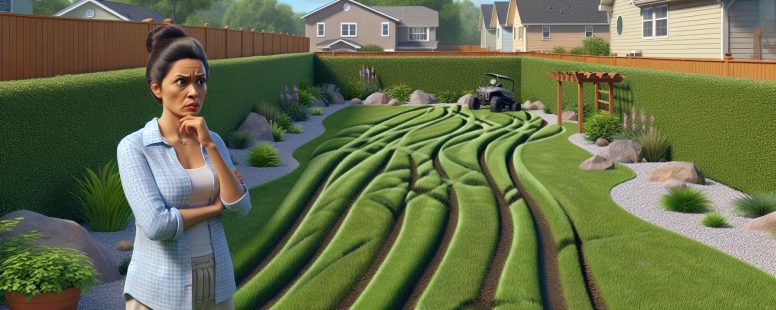
Ever had tire tracks tarnish your perfectly manicured lawn? It’s a common issue many homeowners face. When neighbors use your yard as their personal shortcut, it can be more than just an annoyance; it can harm the health and aesthetics of your precious green space.
Understanding the Issue: Neighbors Driving on Your Lawn
The Root of the Problem
You might wonder, “Why are my neighbors driving on my lawn?” One possible reason is that they perceive it as a convenient shortcut. Others may not understand or respect property boundaries, particularly in areas where fences aren’t prevalent.
For instance, let’s consider a neighborhood without clearly defined driveways and roads. In such an area, your yard becomes more susceptible to tire tracks from vehicles taking shortcuts across what should be private space – yours! Now you see how crucial it is to address this issue promptly before further damage ensues.
Consequences of Lawn Driving
The repercussions extend beyond just visual impairment; continuous pressure from cars can compact soil severely over time. This compaction inhibits root growth by reducing air spaces necessary for roots to breathe and absorb nutrients effectively. For example, think about walking barefoot versus wearing high heels on grass – one leaves hardly any trace while other sinks deep into the turf causing significant damage!
Also, repeated trespassing via vehicle creates unsightly ruts which make mowing difficult if not impossible in severe cases–an added hassle you don’t need!
Legal Aspects of Preventing Trespassing
You’ve identified the problem – neighbors driving on your lawn. Now, it’s time to explore some legal options that can help you prevent this trespassing.
Property Lines and Trespassing
In terms of property lines, it’s crucial for you to know where yours lie exactly. Any intrusion beyond these limits by a neighbor constitutes as trespassing according to most state laws in the US[1]. Consider hiring a surveyor if there’s uncertainty about boundaries; they’ll provide an accurate map detailing your landownership extent. Armed with this information, legally stopping unwanted incursions onto your turf becomes more feasible.
Besides understanding boundary specifics, documenting instances when someone drives over or otherwise uses unauthorized parts of your yard is key[2]. Keep track: note dates, times and any potential witnesses—such details might prove invaluable should you opt for litigation later down the line.
Finally but importantly remember communication matters! Discuss openly with neighboring parties who may not realize their actions constitute illegal crossing into private territory—it could lead towards resolution without resortive measures like courtrooms involved!
Local Traffic Rules and Regulations
Local traffic rules often regulate vehicular movement within residential areas which also apply at micro level i.e., right in front yards too! In many jurisdictions across America homeowners are protected from unwarranted invasions through vehicles via specific statutes related directly towards such conduct [3].
For instance ordinances exist prohibiting parking entirely upon lawns – violation thereof potentially results hefty fines imposed against perpetrators [4] (do consult local regulations because what applies one city doesn’t necessarily hold true another). Similarly restriction based around blocking driveways entrances or exits effectively curb possibilities encroachment since enforcement bodies swiftly react transgressions sort due public safety concerns raised therein .
So familiarize yourself relevant regulatory frameworks area : keep authorities loop persistent issues arise . This two-pronged approach combining personal vigilance coupled strong legislative backing could just ticket maintaining pristine lawn yearned for.
Effective Solutions to Keep Neighbors off Your Lawn
After understanding the legal options and local regulations that can protect your lawn from being used as a shortcut, let’s explore some practical solutions. These methods not only prevent unwanted traffic but also enhance your property’s aesthetics or security.
Using Decorative World Barriers
Decorative world barriers serve dual purposes: they add visual appeal to your yard while discouraging vehicles from driving on it. Options include planting rows of bushes, installing garden structures like trellises, or arranging decorative rocks along the edge of your property.
- Planting Rows of Bushes: A well-maintained row of shrubs can be an effective deterrent against vehicular intrusion onto lawns. Consider using dense species such as boxwood hedges (Buxus sempervirens) which are tough enough to withstand occasional contact with tires.
- Installing Garden Structures: Arbors, pergolas or even small fences have aesthetic value and act as physical impediments for wayward drivers.
- Arranging Decorative Rocks: Large stones placed strategically around perimeters provide a natural-looking barrier against trespassers who may damage grass by driving over it.
Each option has its unique benefits and challenges—consider factors like cost, maintenance requirements and overall compatibility with existing landscaping before deciding what works best for you.
Installing Security Cameras
Plus to their primary function providing surveillance footage in case any disputes arise about unauthorized use of yards; outdoor security cameras often deter potential offenders due simply their presence alone:
- High visibility ensures everyone is aware they’re under observation when near properties equipped these devices.
- Potential violators usually think twice knowing activities could recorded camera potentially leading consequences if caught violating private boundaries laws regulations stipulated relevant authorities community guidelines etcetera…
Remember though; investing top-of-the-line equipment isn’t necessary discourage most people—you’ll likely find affordable models market sufficient meet needs whilst maintaining peace mind.
Communication as a Key to Solve the Problem
Tackling lawn trespassing can be tricky, yet it’s doable with good communication. Here are two effective ways of doing this:
Having a Respectful Conversation
Start by striking up a friendly chat with your neighbor about the issue. It might not even occur to them that they’re causing harm or annoyance.
- Choose an appropriate time and place: Ensure you approach your neighbors at their convenience, avoiding late hours or busy mornings.
- Be polite and composed: Keep in mind that aggression won’t help resolve issues; instead express concern for your garden politely but firmly.
- Share factual information: Explain how driving over lawns leads to soil compaction inhibiting root growth which harms its overall health (based on Cornell University’s Turfgrass Science Division study).
Remember, conversation builds bridges. You’d likely find most people responsive if approached respectfully.
Writing a Letter to Your Neighbor
If face-to-face discussions aren’t quite working out – perhaps due to scheduling conflicts or other reasons – putting pen down paper is another alternative worth exploring.
Here’s what makes letter writing efficient:
- Clear expression of concerns without interruptions
- Enough space for explanation and detailing
- For example explaining specific incidents when you noticed vehicular intrusion into your property
- Or quoting local traffic rules governing residential areas from authoritative sources like city ordinances
Ensure you keep the tone professional while being courteous throughout so as not let emotions overshadow facts! Also don’t forget sealing it off requesting their cooperation towards maintaining peace within neighborhood boundaries!
Seeking Help from Local Authorities
In certain instances, involving local authorities might be the most effective solution for protecting your lawn. This section will guide you on how to properly report these issues and involve key organizations like the Homeowner’s Association.
Reporting the Issue to Police
If repeated attempts at communication with neighbors aren’t yielding positive results or if damage is severe, it could be time to escalate matters by reporting them to local law enforcement. Keep in mind that this step isn’t meant as a threat; rather, it’s about ensuring respect of property boundaries and maintaining peace within your community.
Begin by gathering evidence: document each incident accurately with photos showing tire tracks or other signs of intrusion on your property. Make sure dates are included alongside these visuals – police may require specific proof when filing an official complaint. You can also use any previous letters sent as additional support during this process.
Once all materials are ready, head over to your nearest station – don’t forget bringing along any pertinent information such as license plate numbers if available! The officer assigned should then explain next steps which likely include issuing warnings before taking more drastic measures like fines or legal action against repeat offenders.
Involving the Homeowner’s Association
Many residential communities have a homeowner’s association (HOA) responsible for enforcing rules aimed at preserving neighborhood aesthetics and tranquility alike. If you’re part of one such group , they’re another valuable ally in resolving disputes without resorting directly towards criminal charges . HOAs typically possess strict regulations about vehicle movement across properties under their jurisdiction—breaking those often leads down disciplinary routes outlined within respective covenants codes & restrictions documents .
After submitting formal complaints complete details , wait patiently while board members review case : decisions usually take some time due diligence procedures undertaken ensure fairness involved parties . Rest assured knowing most associations strive protect rights homeowners actively work discourage disruptive behavior damaging common living environment everyone shares together .
Long-Term Measures to Keep Your Lawn Safe
Ensuring the long-term safety of your lawn from vehicular damage requires a combination of physical barriers and convenient alternatives for neighbors. Here, we investigate into two primary strategies that can effectively keep vehicles off your green spaces.
Planting a Hedge or a Fence
Constructing natural borders like hedges serves as an effective deterrent against unwanted traffic on lawns. It not only establishes clear property boundaries but also enhances the aesthetic appeal of your space.
Opt for thick bushes such as boxwood, privet, or yew when planning to plant a hedge. These species grow dense foliage which forms an impenetrable barrier over time. Bear in mind though; these plants require regular trimming and maintenance to retain their shape and density.
If you’re looking for something more robust than vegetation, consider erecting fences around your lawn’s periphery – wooden pickets exude rustic charm while metal railings offer modern sleekness alongside durability. Remember it’s crucial considering local regulations before installing any fence structure since some communities have restrictions about height and design elements.
Creating a Driveway or Parking Solution
Often neighbors resort to driving through yards due to lack of adequate parking facilities nearby. Providing them with alternative solutions might help curb this issue substantially.
For instance, if you’ve got ample front yard space beyond what’s dedicated towards gardening purposes – transform part of it into temporary parking spots using gravel stones or concrete slabs! This way guests won’t feel compelled crossing onto grassy areas during social gatherings at home because they’ll already find provisioned place park cars safely within premises boundary lines without causing harm world integrity whatsoever!
Conclusion
So you’ve got the knowledge to protect your lawn from neighborhood traffic. It’s not just about saving those beautiful blades of grass but also establishing respect for property boundaries in your community. Remember, legal insights coupled with vigilance go a long way in deterring trespassers. Enhancing security and aesthetics through decorative barriers or surveillance cameras can make all the difference too.
Keep communication at the forefront – it often resolves issues before they escalate further. If needed, don’t hesitate to reach out to local authorities or homeowner associations; they’re there to help maintain peace and order within neighborhoods.
Finally, consider investing in long-term measures such as fences, hedges or even alternate parking solutions that reduce temptation for vehicular shortcuts across lawns. Your commitment today will ensure a greener tomorrow!

- How Much Does a Riding Lawn Mower Weigh? - January 9, 2026
- Can You Park Cars in Your Backyard? - January 3, 2026
- Understanding Drone Overflights and Privacy Concerns - January 3, 2026