
Protecting Your Privacy: Dealing with Neighbor’s Drone Overflights
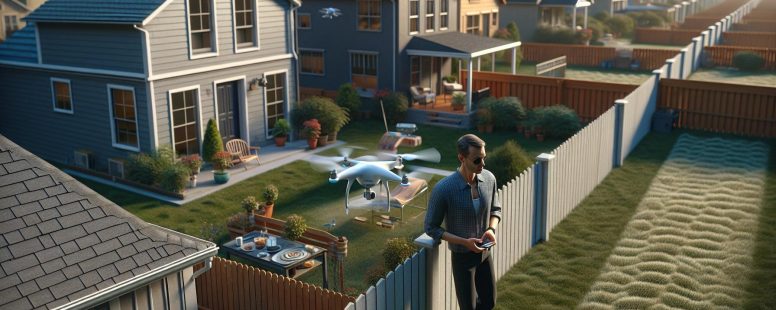
Ever noticed a buzzing sound overhead, only to look up and spot your neighbor’s drone hovering above your home? You’re not alone. Drones have become increasingly popular in recent years for their ability to capture stunning aerial views, but they’ve also raised some serious privacy concerns.
Understanding Drone Laws and Regulations
Exploring the labyrinth of drone laws in the United States can seem daunting, but it’s crucial to understand them for responsible use. This knowledge ensures you’re not infringing on anyone’s privacy or breaking any regulations.
Basics of Drone Laws in the United States
In the U.S., several laws govern how drones should operate. These rules vary depending on whether a person uses their drone for recreational or commercial purposes.
- Federal Law: At its core, Federal law stipulates that all unmanned aircraft must fly below 400 feet when they aren’t within controlled airspace.
- State Legislation: Each state has individual guidelines about where one can pilot their drones – some may ban flights over private property altogether while others have more lenient policies.
- Local Ordinances: On a local level, cities often have additional restrictions about using drones near people or buildings.
For example, states like California enact stringent civil codes stating no person shall enter into another’s airspace with intent to invade upon his/her privacy (Civil Code §1708).
Federal Aviation Administration’s Rules for Drones
The Federal Aviation Administration (FAA) is primarily responsible for regulating everything related to air traffic control – including flying objects such as kites, balloons…and yes…drones!
- Register your device: Every drone weighing between 0.55 lbs (250 grams) and up needs registration before taking flight.
- Be aware of No-Fly Zones: Airports are generally restricted areas unless special permissions granted by FAA.
- Respect Privacy Rights: If recording footage from above someone else’s property without permission isn’t strictly illegal under federal law yet; considerate conduct dictates we respect each other’s spaces anyway.
My Experience with a Neighbor’s Drone
The invasion of privacy by drones is not an abstract concept—it’s something I’ve experienced firsthand. This section unravels my encounter with a neighbor’s drone and the concerns that followed.
The First Instance of Drone Invasion
Imagine you’re basking in your backyard, relishing the calm ambiance when suddenly there it is—a buzzing noise overhead. You look up to find a drone hovering above you, quite like an unwelcome visitor intruding on your private moment. That was exactly what happened to me one summer afternoon.
On hearing this uninvited guest’s humming sound, I glanced upwards and spotted its flashing lights against the clear blue sky—my first instance dealing with a case of potential privacy intrusion via technology in flight!
Consequences and Concerns
This unexpected experience immediately set off alarm bells for several reasons.
Firstly, while capturing images or video footage from such vantage points may seem harmless fun for some enthusiasts; it raises major questions about personal space violation – who wants their daily activities filmed without consent?
Secondly , there are safety risks associated—not just property damage if they crash land but also possible physical harm towards people below during flights gone wrong.
Addressing the Issue of Drones Over Your House
Considering drone-related privacy concerns, it’s crucial to be informed and proactive. Let’s investigate into a few steps you can take if faced with this issue.
Approaching the Neighbour Concerned Politely
Initiating a polite conversation might solve your problem right at its root. Here are some tips for doing so:
- Stay Calm: Keep emotions in check while expressing concern.
- Explain Clearly: Make sure they understand why their drone flying over your property is an issue.
3..Seek Understanding: Ask them about their intention behind using drones — hobbyist photography or professional use? It helps build context around their actions.
For instance, suppose Joe Smith from down the street regularly flies his DJI Phantom 4 Pro V2 (a common model) above your backyard without consent; approaching him directly would likely yield quicker results than pursuing legal routes initially.
Contacting Local Authorities
If conversing doesn’t work out as expected, consider reaching out to local authorities next:
1..Report Invasion: Document instances where privacy invasion occurred due to unauthorized aerial surveillance and report these incidences accurately.
2…Understand Jurisdiction: Some regions have specific laws against trespass by remote-controlled aircrafts such as drones which could aid in resolving disputes swiftly.
To illustrate further, city law enforcement agencies like NYPD provide detailed guidelines on how one should report incidents related to intrusive usage of Unmanned Aircraft Systems (UAS), commonly known as “drones”.
Exploring Non-violent Defence Options
While every situation varies depending upon circumstances and local jurisdiction rules about personal defense measures against invasive drones exist:
1….Drone Jammers: Devices that interrupt communication signals between operator & machine effectively grounding it immediately – but legality depends greatly on location-specific regulations concerning radio frequency interference
.
Let’s say John Doe in Colorado, a state with relatively permissive laws about signal jamming technology for non-governmental use. In such cases, the purchase of an RF (radio frequency) drone jammer might be worth considering.
Remember, all these measures should ideally serve as preventive and protective steps rather than retaliatory actions against invasive drones.
The Ethical Aspects of Drone Invasion
In the backdrop of drone invasion issues, ethical considerations are paramount. This segment delves into understanding privacy rights and highlights the key ethical concerns linked to drone usage.
Understanding Privacy Rights
Privacy holds a significant place in our lives. It’s essential for everyone to comprehend their right to it—especially when drones enter the picture. In America, your privacy is protected under various laws including Fourth Amendment jurisprudence and tort law doctrines such as intrusion upon seclusion.
For instance, consider you’re sunbathing in your backyard—a private space—and suddenly notice a hovering drone capturing images or videos without consent; that’s an infringement on your privacy rights.
Also, some states have enacted specific legislation related directly to aerial surveillance by drones over privately owned properties like California Civil Code Section 1708.8 which deals with physical invasions of privacy.
Ethical Concerns Behind Drone Use
While discussing ethics around using drones there are few points worth noting:
- Respect for others’ personal spaces: Just because technology permits peeking into someone else’s premises doesn’t mean one should exploit it.
- Safety risks associated with flying objects: Potential property damage or harm caused by falling equipment presents serious safety hazards.
- Noise pollution from constant humming sounds can be disruptive and affect quality life within residential areas.
Increasing Awareness About Drone Invasion
In the area of drone usage, understanding and abiding by regulations isn’t enough. There’s a crucial need to raise awareness about privacy issues stemming from these high-tech devices hovering in our skies.
Informing Neighbours about Drone Laws
A proactive step towards curbing potential invasions includes educating your neighbors on existing drone laws. Although you might not be an aviation expert or lawyer, knowing basic federal guidelines offers valuable insight for discussions around this topic.
For instance, did you know that according to Federal Aviation Administration (FAA), recreational drones can’t fly higher than 400 feet? Or that certain states have strict rules against flying over private property without permission?
Educating others starts with sharing such facts during casual neighborhood chats or at community meetings if possible. By doing so, people gain insights into what constitutes legal versus invasive behavior when operating drones.
Initiating Community Discussions About Drone Invasion
Now consider transforming those individual conversations into broader community dialogues about drone invasion concerns. Forums like local town hall meetings provide platforms where residents air their views about prevalent neighborhood matters – yes including that buzzing intruder known as a “drone”.
During such gatherings discuss personal experiences involving drones; it could be hearing one too many buzzes while trying enjoy some quiet time outdoors or spotting them peeping through windows – whatever your experience may entail! These real-life instances humanize the issue making it more relatable so prompting action rather than mere rhetoric.
Remember always maintain respectful dialogue even when opinions differ greatly because eventually everyone wants peaceful coexistence within neighborhoods devoid of unwelcome aerial invaders!
Note: It’s essential to ensure any anti-drone measures proposed comply with state law and FAA regulations avoiding unintended violations while seeking redress.
The Future of Drones and Privacy
As drone technology advances, the intersection between drones and privacy continues to be a topic of growing relevance. This section sheds light on how technological innovations strive to improve privacy matters in drone operations and discusses the impact changes in law regulation have on safeguarding your personal space.
Technological Innovations Aimed at Improving Privacy
Advancements are constantly being made with an aim towards enhancing security measures. For instance, companies like DJI have integrated geofencing systems into their drones that prevent them from entering restricted airspace or private property zones. Another innovation is “DroneID,” a digital license plate system for UAVs developed by Remote ID that broadcasts real-time identification information about any nearby drone; this includes its flight path, speed, altitude as well as owner’s identity.
Also, anti-drone technologies such as DroneShield offer solutions against invasive drones including sensors capable of detecting incoming UAVs followed by countermeasures which safely neutralize potential threats without causing harm to other aircraft or ground personnel – think radio frequency jammers instead of shotgun blasts!
On top off these developments come new software applications designed specifically for addressing privacy concerns: Apps like AirMap provide users access to comprehensive aerial maps indicating where they can legally fly while B4UFLY helps educate operators about local regulations before taking off ensuring everyone’s rights get respected during operation hours.
Changes in Law Regulation and Its Impact on Privacy
Changes within legal landscapes often influence how industries evolve – it’s no different when discussing airborne devices encroaching upon one’s peace-of-mind! Federal Aviation Administration (FAA) rules stipulate strict guidelines pertaining commercial usage but many states also enacted additional laws aimed preserving residents’ tranquility; take California Civil Code Section 1708-8 stating anyone intentionally invading another person’s solitude could face hefty penalties under state jurisdiction even if federal mandates were complied beforehand!
In recent years we’ve seen various legislations around the globe aimed at regulating drone usage more effectively. For example, in 2020 European Union implemented unified laws which require operators to register their drones and pass competency tests; while UK government enforced Drone Code requiring users keep devices within sightline always maintaining safe distances from people structures not belonging them – thereby helping ensure privacy remains undisturbed during flights.
Conclusion
So you’ve navigated the drone-dominated skies, confronted privacy issues and considered both ethical implications and legal regulations. You now understand that while drones are here to stay, it’s possible to maintain your peace of mind with knowledge of FAA rules and local laws at hand. Your experience underscores how important respectful dialogue can be in addressing these concerns.
You’ve discovered that a blend of diplomacy – talking to neighbors about their drones – coupled with understanding state-specific guidelines is key. Whether through personal interactions or town hall meetings, spreading awareness makes all the difference.
Looking ahead, anticipate advancements like geofencing systems for better drone management along with evolving anti-drone technologies designed specifically for non-harmful neutralization purposes. And remember: as technology progresses so too will regulatory efforts on a global scale seeking balance between embracing innovation yet safeguarding individual rights and freedoms.
Your journey into the world of drones has just begun but armed with this newfound knowledge you’re well equipped to take flight responsibly!
- How Much Does a Riding Lawn Mower Weigh? - January 9, 2026
- Can You Park Cars in Your Backyard? - January 3, 2026
- Understanding Drone Overflights and Privacy Concerns - January 3, 2026