
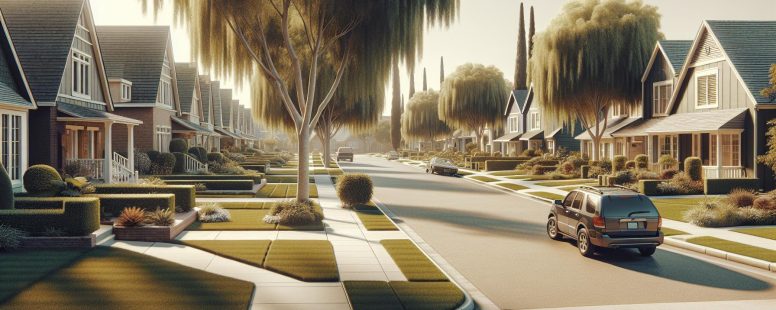
Neighbor Parking Woes: Can They Park in Front of Your House Daily?
Ever find yourself wondering why your neighbor’s car is always parked in front of your house? You’re not alone. This common neighborhood quandary stirs up more controversy than you’d think, and it can quickly escalate from a minor annoyance to an ongoing issue.
But what are the rules when it comes to street parking etiquette, legality, and homeowners’ rights? Can they really park there every day without any repercussions?
Understanding Parking Laws
Diving deeper into parking laws might unravel some of the intricacies you face daily. Let’s start with a basic understanding and gradually move to more specific scenarios.
Overview of Residential Street Parking Rules
Residential street parking rules differ by locality, city, or state. Generally speaking, if there aren’t any signs restricting it (like no-parking zones), people can park their cars on public streets in residential areas. It’s legal even if the car is parked right outside your house every day! But, regulations may limit how long a vehicle stays without moving – often 72 hours in many jurisdictions.
For instance:
- In New York City*, residents need permits for night-time street parking.
- San Francisco* has “residential permit areas” that restrict non-residents from leaving their vehicles for extended periods during specified times/days.
(*source: respective city government websites)
Remember to check local ordinances as they contain detailed information about such regulations.
Analysing the Public Road Concept
The crux here lies within an important term – “public road”. Most roads are deemed public unless explicitly stated otherwise like private drives or gated communities. Now being ‘public’ implies anyone can use them including your neighbor using it for everyday parking!
To illustrate,
If someone parks regularly in front of your home but isn’t obstructing driveways/accesses nor violating posted restrictions then technically he/she is not breaking any law.
Yet again remember this interpretation varies based on regional laws so always ensure staying updated with those!
Can My Neighbor Park in Front of My House Everyday?
Parking issues often stir up neighborhood disputes. The crux lies in understanding the fine line between public parking and private spaces, as well as legal implications tied to this matter.
Public Parking vs Private Spaces
Public streets fall under communal use; so, anyone’s right includes parking their vehicle anywhere on the street unless specific restrictions apply. Your curb might be directly outside your house but it isn’t exclusively yours when it comes to parking. But, exceptions do exist for driveways or specially marked zones – these are considered private areas where others’ vehicles aren’t allowed without permission.
For instance, if you live somewhere with residential permit regulations such as San Francisco’s Residential Parking Permit Program (RPPP), residents receive special permits allowing them unlimited time parked within certain zones while limiting non-permit holders’ time constraints drastically. In a scenario like this one, an everyday parker sans permit is likely violating local laws.
Impact of Constant Street Parking
The implications of persistent street parking go beyond legal considerations, affecting both neighborhood aesthetics and accessibility.
Effect on Neighborhood Aesthetics
Consider the visual impact when a vehicle is perpetually parked in front of your home—it alters the scenery. In neighborhoods with well-maintained lawns and manicured landscapes, an ever-present car can disrupt this harmony (San Francisco’s Residential Permit Program). It’s like having an uninvited guest who never leaves; they become part of your view whether you appreciate their presence or not.
A stringently enforced 72-hour rule—in many areas—aims to mitigate such aesthetic issues by preventing vehicles from becoming semi-permanent fixtures on residential streets. But, there are exceptions: New York City has specific permits allowing cars to remain stationary for extended periods.
Impact on Accessibility and Convenience
Persistent street parking also affects accessibility—a crucial aspect for homeowners needing regular access to driveways or individuals with mobility challenges exploring sidewalks cluttered by parked vehicles. Also, constant curb-side parking might impede services like garbage collection if trucks cannot maneuver around stationed cars.
For example, cities often enforce strict regulations prohibiting driveway obstruction—a clear testament that access takes precedence over convenience in public space utilization scenarios.
Dealing With the Parking Issue
Dealing with a neighbor parking in front of your house every day can be challenging. Here’s how you might approach it.
Discussing with Your Neighbor
Start by having a polite conversation, expressing your concerns about their daily parking habits. Keep emotions aside and focus on finding common ground to address the issue amicably. You’d want to explain why their constant street parking affects not only your home access but also poses problems for others like impeding essential services such as garbage collection or causing difficulties for individuals with mobility challenges.
Here’s an example dialogue:
“Hi [Neighbor’s Name], I noticed that you’ve been parking in front of my house quite often recently – is there any particular reason? It causes some inconvenience due to reasons A,B,C… Do you think we could find another solution?”
Remember, it helps if both parties are open-minded during this discussion; otherwise, escalation may become necessary.
Involving Homeowners Association
If direct communication doesn’t bring resolution – don’t worry! Another avenue available involves approaching the homeowners association (HOA). Many HOAs have rules about residential street parkings within community boundaries which might assist here.
You’d present them all relevant details: duration of each stay, frequency per week/month/year etc., along with photographic evidence whenever possible. They’ll then review these facts against existing regulations before deciding upon appropriate action(s).
Reaching Out to Local Authorities
Still no luck after talking directly AND contacting HOA representatives alike?! Don’t despair just yet because local authorities remain at disposal too!
Authorities typically enforce public road use guidelines stringently so they’ll look into matters seriously especially when persistent violations occur over time even though multiple warnings being issued previously already by concerned citizens themselves even sometimes leading eventually towards ticket issuance or towing away vehicles completely eventually so resolving problem once finally hopefully forever thereby enabling everyone enjoy peaceful living environment free from unnecessary disturbances henceforth onwards forevermore.
Potential Solutions
Addressing the issue of neighbors parking in front of your house every day requires practical and diplomatic solutions. It’s not only about clarifying legalities, but also establishing neighborhood harmony.
Implementing Neighborhood Parking Regulations
In some cases, implementing neighborhood-specific regulations can be an effective solution to manage persistent street parking issues. Local authorities or homeowners associations often have the power to establish such rules. For instance, time-limited parking during certain hours may discourage long-term occupancy on residential streets.
To illustrate this point further:
- City councils might propose ordinances that limit daytime street parking duration.
- Homeowners Associations (HOAs) could adopt policies restricting overnight curbside vehicle storage for non-residents.
- In cities like Portland and Los Angeles where special zones exist, residents apply for permits allowing them exclusive access to curb space within a specified area around their homes.
The key here is local participation – getting involved with community meetings or city council discussions allows you voice out concerns about incessant car parkings in front of your home by neighbors daily without repercussions.
Establishing Parking Etiquettes
Regulations aside, there’s another approach – fostering good neighbor relations through established etiquette norms around street parking:
- Respect Space: Encourage everyone in the vicinity to respect each other’s spaces by not consistently occupying spots outside others’ homes.
- Share Spaces Equitably: Promote a shared understanding that all public road space should be used equitably among residents rather than claimed permanently by one individual or household.
- Open Dialogue: Maintain open lines of communication between yourself and neighbors about any potential disruptions caused due to constant vehicular presence near someone else’s property line. Often it’s just courtesy missed out upon because people are unaware how much their actions affect others; explaining kindly goes a long way!
Remember though — while these tactics help create more harmonious living conditions they don’t guarantee success as different personalities come into play. It’s crucial to navigate these waters carefully, maintaining respect and understanding throughout your interactions with neighbors.
Eventually, dealing with a neighbor parking in front of your house every day requires both legal awareness and diplomatic finesse. While laws provide certain boundaries on public road use, it’s the unspoken rules of neighborhood etiquette that often guide daily behavior more effectively.
The Role of Municipal Law
Municipal laws play a crucial role in managing parking issues within residential neighborhoods. They set the stage for what’s allowed and not, ensuring that public spaces are used responsibly and respectfully.
Understanding City Parking Ordinances
City ordinances dictate street parking rules in your neighborhood. Each city has its own unique set of regulations that residents must follow when it comes to on-street parking. For example, Boston’s “Resident Permit Parking” program restricts non-residents from long-term daytime street parking unless they have specific permits while Chicago uses color-coded zones to regulate where different types of vehicles can park.
These rules aren’t always cut-and-dry though; some areas may allow anyone to park freely during certain hours or days but enforce strict permit-only restrictions at other times – such as rush hour periods or during major events.
It’s essential you familiarize yourself with these local laws so you understand whether your neighbor is within their rights when they consistently use the space outside your house for daily vehicle storage. You can usually find this information on your city council’s website or by contacting them directly.
Situations When Law Intervenes
There are instances where municipal law intervenes if someone parks their car in front of another person’s house continually causing inconvenience.
A primary case involves violating “72-hour” rule common across many municipalities: cars cannot be parked continuously at one location without moving more than 72 hours (three consecutive days). If there exists suspicion about violation, authorities might mark tires then check back after stipulated time period verify movement absence results ticketed towed away scenario LA County illustrates application regulation.
Another instance concerns blockage access driveways sidewalks contravening Americans Disabilities Act requirements maintain clear pathways pedestrians especially those mobility devices like wheelchairs walkers infringements attract penalties even towing offender San Diego well-known rigorous enforcement ADA-related traffic violations.
Also situations involve neglect proper maintenance abandoned cars leading public nuisance safety hazards unsightly damaged vehicles left rot roadside aren’t just eyesore also potential hazard especially children playing nearby legislation place many cities enabling immediate removal such cases Austin Texas example boasts proactive approach tackling issue “junked vehicle” ordinance.
Hence, if your neighbor’s constant parking is causing a genuine disruption or contravening local laws, you do have recourse. By reporting the situation to relevant authorities – typically either your local police department or city traffic enforcement office – action can be initiated.
Remember though: patience key these situations investigations take time particularly instances where evidence needs gathered violation has occurred It’s not instant fix but it’s option worth considering when all else fails in resolving ongoing street-parking conflict with your neighbor.
Conclusion
Exploring the issue of a neighbor constantly parking in front of your house can be tricky. It’s not just about legalities, it also involves neighborhood etiquette and respect for communal space. Remember, most streets are public property, meaning anyone has the right to park there unless local laws or signs say otherwise.
If you’re dealing with this problem, start by having an open dialogue with your neighbor. If that doesn’t work out as planned, turn to community-based solutions like involving your HOA or contacting local authorities who enforce road use regulations.
Bear in mind that every city differs when it comes to street parking rules; so ensure you’re familiarized with yours before taking any steps further. In some cases implementing specific neighborhood restrictions could solve recurring issues while maintaining harmony amongst neighbors.
Finally if all else fails remember – persistence pays off! Continue reporting persistent violations until a resolution is found ensuring peace returns back home.

- How Much Does a Riding Lawn Mower Weigh? - January 9, 2026
- Can You Park Cars in Your Backyard? - January 3, 2026
- Understanding Drone Overflights and Privacy Concerns - January 3, 2026