Discover the Best Vegetable Garden Layout: Optimize Space & Boost Yields
Understanding Vegetable Garden Layouts
How do you unlock the true potential of that backyard space? As someone who’s spent over two decades exploring the wild world of backyard maintenance and entertainment, I’m here to lend a helping hand. Transforming your backyard into a buzzing hub of activity—or a peaceful retreat—isn’t as daunting as it sounds. It’s all about tapping into practical approaches, using the right tools, and relying on a sprinkle of good ol’ creativity. Intrigued? Let’s immerse.
Practical Advice and Key Insights
Step-by-Step Tutorials
Achieving a standout backyard design involves knowing your tools and how to wield them. Ever tried building a simple garden bench? All you need is a few planks, a saw, some screws, and a little elbow grease. First, cut two equal planks for the bench’s base. Connect them with shorter planks at each end. Then, sand the edges to avoid nasty splinters. Finally, arrange the legs on each corner and fasten them with screws. Voilà, your custom bench awaits relaxation!
Tool Reviews
Ever wondered if investing in a leaf blower is worth it? With all the brand choices out there, it can get confusing. Not to worry, though—I’ve got your back. The DEWALT 20V Max Blower offers powerful motor capabilities while remaining conveniently lightweight. Its cordless design means less hassle with tangled cables. If you prefer a quieter approach, check out the Greenworks 40V Cordless Sweeper. It’s got the punch without the noise, keeping peace in the neighborhood.
Woodworking Tips
Tackling intricate woodworking projects becomes smoother with the right mindset and guidance. When cutting wood, always measure twice. Mark clear lines before sawing to ensure precision. Ever struggled with getting a clean cut? Use a mix of steady hand pressure and a sharp blade for the neatest results. Oh, and keep those tools in top shape with regular maintenance—trust me, it’ll save you from many headaches.
Project Inspiration
Stuck wondering what to do next? Transform your backyard with little touches that speak volumes. Try hanging string lights along the fence—it instantly adds warmth and ambience. Love gardening? Arrange potted herbs along pathways for both aroma and utility. Want an art piece? Consider crafting a mosaic stepping stone path using colorful tiles and a bit of mortar. Each step on this path tells your unique story.
Conclusion
Types of Vegetable Garden Layouts
Choosing the best layout for your vegetable garden can make a world of difference in maximizing productivity. Each type caters to different spaces and gardener preferences, ensuring you find the perfect fit for your backyard.
Traditional Row Layout
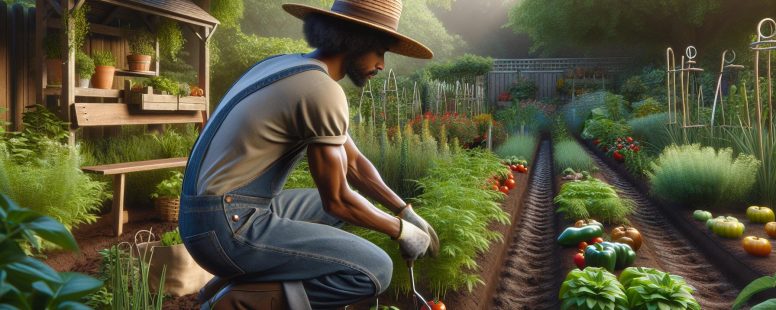
The traditional row layout is a classic choice for ample garden spaces. You plant vegetables in long, single file rows with walkways between them. This layout suits large quantities and easy access for tasks like weeding and watering. For example, you can grow corn, beans, and potatoes side by side, each in its own row. This method benefits spacious areas where uniformity echos control and order.
Raised Bed Layout
Raised bed gardening brings versatility and efficiency to restricted or uneven spaces. By constructing wooden or metal frames, you elevate soil beds above the ground. You control the soil quality, promoting better drainage and preventing compaction. Paul often recommends growing lettuce and carrots in raised beds, as they thrive with well-draining soil. Besides, they offer ergonomic advantages, minimizing bending and reaching.
Square Foot Gardening
With square foot gardening, you maximize yield using a grid layout within a small area. You divide the planting area into square-foot sections, each allocated to different types of vegetables. This method optimizes plant density and reduces waste. For instance, you can plant tomatoes, basil, and radishes all within a few feet. It’s a great fit for beginner gardeners designing small urban gardens.
Vertical Gardening
Vertical gardening lets you harness vertical spaces, making it ideal for limited ground area. Utilizing walls, trellises, or towers, you grow your plants upwards. Cucumbers, peas, and pole beans excel using this strategy, climbing upward while saving precious soil space. Urban gardeners love vertical gardening for transforming balconies and patios into vibrant green oases.
With these layouts, you can tailor your vegetable garden to fit your space and preferences, ensuring bountiful harvests and efficient use of resources. Each method offers a unique approach to transforming your backyard into a thriving vegetable haven.
Designing Your Vegetable Garden
Creating a successful vegetable garden involves more than just planting seeds in soil. A well-planned design enhances growth and maximizes harvests, making your garden both functional and efficient.
Choosing the Right Location
Selecting an optimal site for your vegetable garden is vital. Look for an area with ample sunlight, flat terrain, and access to water. If the garden area has poor drainage, consider constructing raised beds. Placing the garden close to your house not only adds convenience but also encourages regular care and visitation, ensuring your plants receive the attention they need.
Planning for Sunlight and Shade
Positioning your garden to balance sunlight and shade impacts plant growth. Most vegetables, like tomatoes and cucumbers, thrive in full sunlight, requiring at least 6-8 hours daily. For plants preferring partial shade, such as lettuce and spinach, identify areas with natural or artificial shading. If space is limited, use movable shade cloth to accommodate various plant needs throughout the day, optimizing both sun exposure and protection.
Soil Preparation and Fertility
Rich, fertile soil is the foundation of a productive garden. You’ll want to test the soil for pH and nutrient levels, using common test kits from local garden centers. To enrich soil, incorporate organic matter such as compost or aged manure. Rotating crops annually can prevent nutrient depletion. For those with limited space, container gardening offers a controlled environment to manage soil quality effectively, allowing precise amendments and drainage solutions tailored to each plant type.
Maximizing Space and Yield
Designing an efficient vegetable garden layout transforms your backyard into a productive haven. Strategic placement increases both space and crop output.
Companion Planting
Companion planting enhances growth by leveraging plant relationships. Some plants deter pests or enhance flavor when grown together. For example, planting tomatoes with basil improves taste while repelling harmful insects. Use marigolds near beans to ward off nematodes, benefiting both crops. These symbiotic pairings create a balanced ecosystem in your garden.
Succession Planting
Ensure continuous harvests by succession planting. This technique involves planting new crops as others finish their growth cycles. Start with cool-season vegetables like lettuce; follow with warm-season crops like peppers. Plan multiple rounds: sow fast-growing radishes early, then plant bush beans in the same spot. Succession planting optimizes space throughout the growing season, keeping your harvest abundant.
Tools and Resources for Garden Planning
Selecting the best tools and resources for garden planning is crucial for designing an effective vegetable garden layout. With the right guidance, you can create a productive and beautiful garden space.
Using Garden Design Software
Garden design software offers a practical solution for planning your vegetable garden. Software like Garden Planner Online and SmartDraw lets you visualize layouts and simulate plant growth. You can drag and drop different plant icons, creating an arrangement that matches your space constraints and planting preferences. Many programs provide databases of plant care information, helping you assess companion planting combinations and optimal spacing. Plus, the ability to iterate quickly makes it easier to refine design ideas until you achieve the perfect plan.
Recommended Books and Guides
Books and guides provide in-depth insights and proven tips for garden planning. Titles such as “The Vegetable Gardener’s Bible” by Edward C. Smith offer expert advice on everything from plant selection to pest management. “Carrots Love Tomatoes” by Louise Riotte is another resource emphasizing companion planting principles, detailing which plants thrive together. These guides generally include charts, diagrams, and firsthand accounts, allowing you to approach your garden layout with confidence and creativity. With these resources, you unlock the full potential of your garden by learning from seasoned gardeners.
Conclusion
By understanding the best layout for your vegetable garden, you’re setting the stage for a bountiful harvest and a thriving growing environment. Whether you choose traditional rows, raised beds, or vertical gardening, each layout offers unique benefits tailored to your space and preferences. Embrace techniques like companion planting and succession planting to maximize your garden’s potential. With the right tools, resources, and a well-thought-out plan, your backyard can transform into a productive haven. Jump into garden design software to visualize your ideas and explore expert guides to refine your skills. Unlock the full potential of your garden and enjoy the rewards of your hard work.

- How Much Does a Riding Lawn Mower Weigh? - January 9, 2026
- Can You Park Cars in Your Backyard? - January 3, 2026
- Understanding Drone Overflights and Privacy Concerns - January 3, 2026