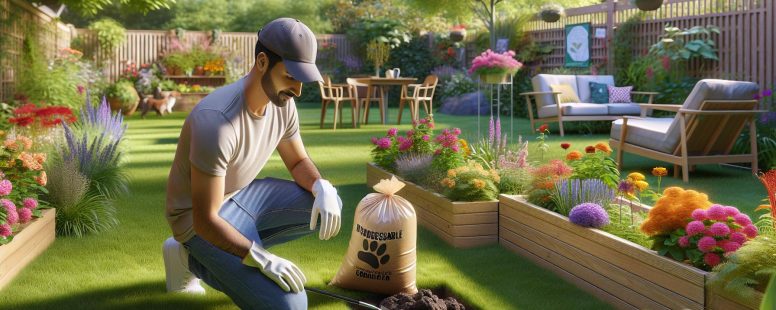
Is It OK to Bury Dog Poop in Your Backyard? Pros, Cons, and Alternatives
Understanding Dog Poop Decomposition
Dog poop decomposition in your backyard involves several factors. It takes six months to a year for dog poop to decompose fully, depending on conditions like temperature and moisture. Organic matter in feces breaks down slower in colder, drier climates but faster in warm, humid ones.
Environmental impact plays a role in decomposition rates. High bacteria levels in dog poop contribute to nutrient loads in soil, potentially affecting ecosystem balance. Harmful pathogens in poop, such as parasites and bacteria, also decompose over time. But, the decomposition releases these pathogens temporarily, posing health risks.
To accelerate decomposition safely, consider using a designated composting system for pet waste. These systems control conditions, allowing microbes to break down poop more efficiently. If you choose to bury poop directly in the backyard, ensure it’s at least 6 inches deep to reduce pathogen spread.
Understanding these factors helps you manage waste responsibly while considering environmental and health impacts in your backyard.
Environmental Impact
Have you ever looked at your backyard and thought, “This place could use a little sprucing up”? You’re not alone. Backyards hold incredible potential, and with a few tweaks, they can become not just a space for entertaining but a personal sanctuary. Paul West, a seasoned expert with more than 20 years in backyard maintenance and entertainment, shares practical insights that could transform your backyard into the highlight of your home.
Step-by-Step Tutorials
First things first, let’s talk projects. Whether you’re new to DIY or a seasoned pro, there’s always something new to learn. But why tackle a project? Simple. It’s rewarding. Try building a simple raised garden bed: gather untreated lumber, screws, a drill, and soil. First, screw the boards together to form a rectangle. Slightly stressful, right? Maybe, but it’s worth the effort. Line the bottom with world fabric to suppress weeds. Fill it with soil, and boom—ready for planting. Start with easy-to-grow plants like tomatoes or herbs. You won’t regret it.
And if you’re pressed for time, consider creating a no-dig garden bed. Lay cardboard over a patch of grass, soak it with water, and top it with a thick layer of compost or soil. Plant into the compost and watch your garden thrive—no back-breaking digging required.
Tool Reviews
Let’s jump into tools. Having the right tools makes any task easier. For cutting wood, cordless saws are handy. The DeWalt 20V Max is a reliable choice, known for its power and battery life. For anyone tackling tough underbrush, a quality machete or brush cutter should be in your arsenal. Hand pruners are crucial for detail work; Gardena’s line offers comfort and precision.
But it doesn’t stop there. Investing in multifunctional tools can save both space and money. The Swiss Army Eve, for example, combines pruning shears, a saw blade, and even a soil scoop in one device. Imagine being able to tackle multiple tasks with just one tool.
Woodworking Tips
Woodworking in the backyard isn’t just for pros. Start with simple projects—birdhouses or planters are perfect for honing your skills. Sanding is crucial; it smooths wood and preps it for weather protection treatments. And, striking the right wood finish matters. Use an outdoor sealant for longevity and aesthetics.
But what if you’re constrained by space? Vertical woodwork could be your answer. Wall-mounted planters or a vertical herb garden can maximize space while providing aesthetic appeal. Miniature trellises can support climbing plants without overwhelming your area.
Project Inspiration
Need some backyard inspiration? Fire pits are a great addition. They’re ideal for social gatherings or quiet nights. You can build a basic one with bricks and gravel. Or, get creative with patterns and colors for a custom design. What about an outdoor seating area? Use reclaimed wood for instant charm.
How about lighting? A strand of LED lights can turn any evening ambiance from boring to merry. Install solar lights along pathways or patios. They’re energy-efficient and provide the right touch of elegance and visibility.
Legal Considerations
When burying dog poop in your backyard, understanding legal considerations is crucial. While it might seem a convenient solution, there are specific legal factors to weigh.
Local Regulations
Local regulations often dictate how you can dispose of pet waste on your property. In some areas, burying dog waste is restricted or outright forbidden due to potential environmental harm and contamination risks. It’s essential to check with your city’s waste management or environmental protection department for specific guidelines. Local ordinances might detail permissible disposal methods for maintaining public health standards.
Homeowner Association Rules
If you live in a community governed by a Homeowner Association (HOA), additional rules might apply. HOAs often have strict guidelines on property management, aiming to maintain community aesthetics and hygiene. Review your HOA’s regulations for any restrictions or recommended practices for dog waste disposal. Non-compliance could lead to fines or other penalties, making it important to align your waste disposal practices with community standards.
Welcome to the ultimate guide to transforming your backyard into a haven of creativity, relaxation, and fun! Backyards are more than just patches of grass or paved spaces. They’re personal sanctuaries, outdoor retreats waiting to be customized. Whether you’re an aspiring gardener, a DIY enthusiast, or someone seeking a peaceful escape, there’s no end to what you can achieve. Let’s jump into expert advice from Paul West, a seasoned backyard maintenance and entertainment expert with over 20 years under his belt.
Health Implications
Building Raised Garden Beds
Creating raised garden beds can elevate your gardening game. First, choose your spot. It’s best if it gets at least six hours of sunlight. Measure the area to calculate wood requirements. You’ll need untreated cedar or redwood; these resist rot better.
- Cut the wood: Cut the pieces to form a rectangular frame. Typical dimensions: 4ft wide by 8ft long.
- Assemble the frame: Use outdoor screws for durability.
- Position and Level: Place the frame on the ground. Add topsoil and compost.
- Finally, plant your seeds or seedlings and water them thoroughly.
Creating No-Dig Gardens
No-dig gardens are perfect if you want minimal disturbance to the soil. For this, gather these essentials: cardboard, soil, and mulch.
- Lay out cardboard: Cover the desired area.
- Add soil layers: Pile the soil, a mix of topsoil and organic matter, onto the cardboard.
- Mulch the surface: Top it up with mulch to retain moisture and suppress weeds.
Tool Reviews for Backyard Maintenance
Investing in the right tools simplifies backyard maintenance. Here’s a rundown:
- Cordless Saws: Lightweight and portable, perfect for various cutting tasks. Check the battery life and ergonomic design.
- Multifunctional Tools: Handy for trimming, shaping, and cutting. Go for multi-head attachments for versatility.
Woodworking Tips for Beginners
Woodworking doesn’t need to be daunting. Begin with projects like birdhouses and vertical gardens. Choose easy-to-work-with woods like pine.
- Use quality tools: Ensure your saws, drills, and clamps are suited for beginners.
- Follow instructions: Stick to guides and plans until you’re more confident.
- Practice precision: Measure twice; cut once to avoid material waste.
Project Inspiration
Looking to spruce up your backyard further? Here are some ideas:
- Fire Pits: A fire pit invites cozy gatherings. Choose stone or cast-iron models.
- Outdoor Seating Areas: Use weather-resistant furniture. Arrange strategically for relaxation spots.
- Decorative Lighting: String lights or lanterns create ambiance. Solar options save on energy.
Remember, your backyard should cater to your lifestyle preferences. By applying this advice from Paul West, your outdoor space will transform into a functional and beautiful extension of your home. Who knew a few steps could turn your everyday yard into something special?
Alternative Disposal Methods
When considering healthier ways to handle dog waste, alternative methods offer practical solutions beyond backyard burial. Explore how you can incorporate eco-friendly practices in your routine without compromising on convenience or cleanliness.
Composting
Composting provides a sustainable way to dispose of dog poop if done correctly. Dedicated pet waste composters make transformation into usable compost possible. Install a designated compost bin or pit separate from regular compost to avoid potential contamination. Mix waste with carbon-rich materials like sawdust or dried leaves to aid decomposition. While not suitable for plants intended for human consumption, this compost benefits ornamental plants and flowers.
Professional Waste Removal
Professional waste removal services simplify waste management. They’re convenient and safe, ensuring proper disposal without the hassle. Look for local companies specializing in pet waste, as they often have eco-friendly policies. Regular pickups relieve you from frequent waste management and contribute to maintaining a cleaner backyard. Check customer reviews to identify reliable services before committing.
Conclusion
Choosing how to manage your dog’s waste in your backyard requires a balance between environmental responsibility and personal convenience. By understanding decomposition, health considerations, and legal restrictions, you can make informed decisions that align with your values. Exploring alternatives like composting or professional removal services can offer eco-friendly solutions that keep your backyard clean and enjoyable.
Remember, your backyard is more than just a space for waste disposal; it’s a canvas for creativity and relaxation. Use expert insights to transform it into a sanctuary that reflects your lifestyle. Whether you’re building garden beds or setting up cozy seating areas, every choice contributes to a space that feels uniquely yours.

- How Much Does a Riding Lawn Mower Weigh? - January 9, 2026
- Can You Park Cars in Your Backyard? - January 3, 2026
- Understanding Drone Overflights and Privacy Concerns - January 3, 2026