Is It Illegal to Sell Food from Home?
Selling food from your home can be both a convenient and profitable venture, especially for those passionate about cooking or baking. But before diving into this try, it’s crucial to understand the legal landscape surrounding such activities. Legal frameworks, varying vastly by location, are in place to ensure consumer safety, and non-compliance can lead to serious repercussions. This article delves into the key aspects you need to know to run a home-based food business legally and successfully.
Understanding the Legal Landscape of Selling Food from Home
Overview of Cottage Food Laws
Cottage food laws were specifically designed to help small-scale food production from residential kitchens. These laws enable entrepreneurs to sell certain food products while adhering to minimal restrictions compared to commercial production settings. States carry out their versions of these laws, often listing permissible foodstuffs and ceiling business sizes to balance business facilitation with public health.
State-Specific Regulations and Variations
While some states are lenient about cottage food production, others adopt stringent measures. Understanding your state’s specific rules is essential since regulations detail acceptable foods, labeling requirements, and application processes. Consulting local health department guidelines usually provides the most reliable information.
Health and Safety Requirements
To prioritize public health, home-based food producers must ensure their processes meet stringent hygiene standards. This involves maintaining a clean kitchen, adhering to safe food-handling practices, and occasionally securing specialized training or certification. Documentation may also be mandated to verify compliance.
Licensing and Inspections
Operating a home-based food business typically requires a specific license or permit. Also, local authorities might conduct periodic inspections to confirm adherence to safety regulations. Being informed about these requirements decreases the risk of penalties.
Types of Foods Permissible to Sell From Home
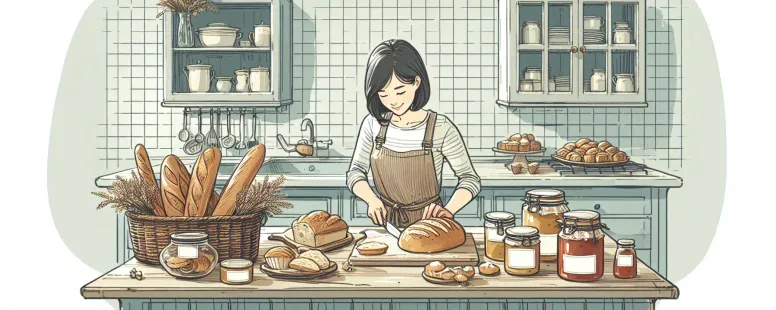
Most laws only permit the sale of non-potentially hazardous foods, items with low risk for bacterial contamination. Common examples include baked goods, jams, and dry mixes. Always verify with local regulations to understand specific allowances.
Common Penalties for Non-Compliance
Failing to comply with food business regulations may lead to various penalties, including fines, closure of operations, or even legal action. Ensuring compliance not only helps avoid these consequences but also builds trust with customers.
Tips for Ensuring Legal Compliance in a Home-Based Food Business
Researching and adhering to relevant laws and guidelines is critical. Maintaining clear communication with local health officials, keeping updated documentation, and regularly reviewing procedures for compliance ensures smoother operations. Investing time in understanding legal nuances can eventually safeguard your business.

- How Much Does a Riding Lawn Mower Weigh? - January 9, 2026
- Can You Park Cars in Your Backyard? - January 3, 2026
- Understanding Drone Overflights and Privacy Concerns - January 3, 2026