How to Block Water Drainage From a Neighbor’s Yard
Have you ever experienced soggy patches or unexpected pools in your yard, traced back to excess water flowing in from a neighboring property? Addressing such issues promptly is crucial not only for the health of your lawn and garden but also to prevent potential structural damage to your home or property. In this guide, we’ll explore the measures you can take to effectively manage and block unwanted water drainage from adjacent properties.
Understanding the Impacts of Water Drainage
Causes of Water Drainage Issues Between Properties
Water drainage dilemmas often stem from modifications, such as altered landscaping or driveway installations, on adjacent properties. These changes might inadvertently reroute water from natural flow paths into your yard, causing pooling or erosion.
Potential Consequences if Left Unaddressed
Unmanaged water drainage can lead to a variety of problems: soil erosion diminishes land stability, pooling water damages plants and lawns, and water intrusion might result in structural damages or mold growth within homes.
Assessment of Your Water Drainage Situation
Identifying the Scope and Source of Water Intrusion
Begin by documenting the problematic areas in your yard, take note of where water tends to pool during rainfall or high drainage events.
Examining the Local Terrain and Drainage Patterns
Understand the natural gradient of your property and the surrounding terrain, noting potential areas where water might accumulate or flow.
Legal and Communication Considerations
Understanding Local Laws About Water Drainage
Many community regulations and local statutes address drainage responsibilities and modifications. Familiarize yourself with these to understand your rights and obligations.
Discussing Your Concerns with the Neighbor
Open dialogue with your neighbor to express concerns. It’s essential to approach this with a collaborative mindset: they might not be aware of the issue.
Implementing Effective Solutions for Managing Water Drainage
Building Barriers to Redirect Water Flow
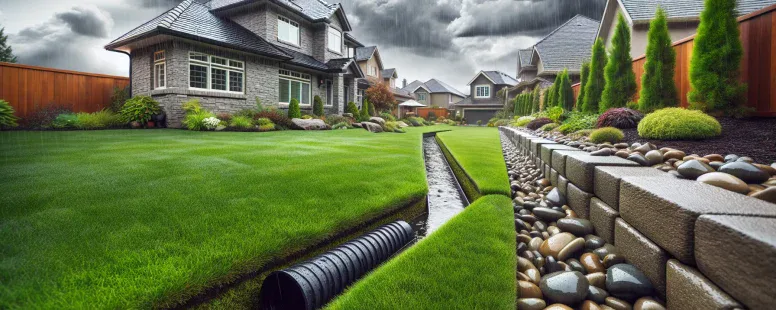
Install retaining walls, berms, or trenches to direct water away from vulnerable areas.
Enhancing Your Property’s Drainage System
Augment your lawn with features such as French drains, swales, or rain gardens to help better water management.
Utilizing Professional Services for Optimal Results
Consult engineers or contractors for complex drainage challenges. Their expertise ensures efficient and lasting solutions.
Maintaining Proper Drainage Over Time
Ensuring Long-Term Effectiveness of Installed Measures
Consistently verify that any implemented solutions, such as drains or barriers, are unobstructed and functioning as intended.
Performing Regular Inspections and Adjustments
Monitor your property over seasons to detect any emerging water management needs or changes exacerbating drainage issues.

- How Much Does a Riding Lawn Mower Weigh? - January 9, 2026
- Can You Park Cars in Your Backyard? - January 3, 2026
- Understanding Drone Overflights and Privacy Concerns - January 3, 2026