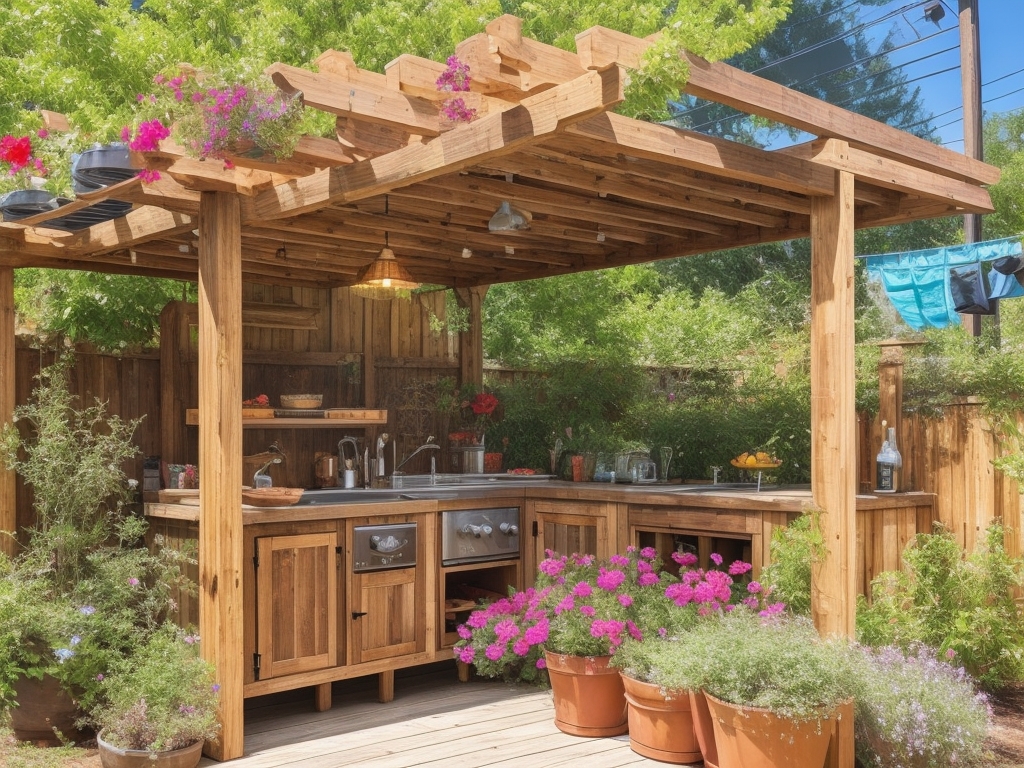
Setting Up a Gazebo on Grass: Practical Guide and Helpful Tips
Ever wondered if your lush green lawn could be the perfect spot for a gazebo? You’re not alone. Many homeowners are toying with this idea, especially as outdoor living spaces continue gaining popularity. But is it really possible or even advisable?
This article will investigate into everything you need to know about setting up gazebos on grassy surfaces. We’ll explore potential challenges and provide practical solutions that ensure your gazebo stands firm while preserving the health of your turf.
So let’s get started! By the end of our exploration, you’ll have all the answers needed to make an well-informed choice about placing a gazebo in your backyard oasis.
Understanding Gazebos and their Functionality
A gazebo acts as an ornamental feature in your garden, offering a unique blend of aesthetics and functionality. Let’s investigate deeper into why you’d want one on your grass.
Understanding the Need for a Gazebo
Having a gazebo isn’t just about creating another eye-catching element in your backyard. It serves practical purposes too. A well-constructed gazebo provides shelter from harsh weather conditions, be it heavy rain or blistering sun rays. Imagine enjoying rainy afternoons under its cover without worrying about getting wet! Also, gazebos act as focal points during outdoor gatherings — hosting dinners or parties becomes more manageable with this extra space.
Also, if you’re fond of nature but detest bug bites – don’t fret; gazebos got you covered there too! Many come equipped with netting that keeps annoying bugs at bay while letting you enjoy the tranquility outdoors offers!
Benefits of Having a Gazebo
Owning a gazebo comes with several advantages beyond being merely decorative pieces:
- Increased Property Value: A stylishly built gazebo increases curb appeal hence potentially boosting property value.
- Extra Space: The addition presents additional living area where family members can relax independently.
3: Health Improvement: Exposure to fresh air benefits health significantly – use it for yoga sessions maybe?
4: Versatility: Use them seasonally by transforming into winter gardens during colder months!
Can a Gazebo be Put on Grass: The Main Question
The key question we’re addressing here centers around the placement of gazebos. Specifically, is it possible to put one directly onto your grassy lawn?
Traditional Notions of Gazebo Placement
In traditional settings, gazebo placements were dictated by certain conventions. Gazebos often found homes in concrete pads or wooden decks for stability and durability reasons. They weren’t just arbitrary choices; there’s logic behind them.
- Concrete Pads: Provided robust support and resistance against shifting soils.
- Wooden Decks: Offered strong platforms that could endure heavy weights without sinking into soft ground.
But, these methods posed challenges such as increased construction costs due to additional groundwork preparations like excavation and pouring concrete slabs or building substantial wood structures.
Modern Approaches to Gazebo Placement
With modern innovations come fresh approaches towards gazebo installation which lean more towards convenience while ensuring structural integrity:
1.Patio Stones/Blocks: Employing patio stones or blocks instead of full-blown foundations has become popular among homeowners who prefer an easy setup process with minimal disturbance to their lawns’ natural aesthetics.
2.Grass Installations : Yes! You can indeed place a gazebo directly on grass provided you’ve taken proper precautions beforehand – things like leveling the area correctly before setting up base plates at each corner post location for added strength under load bearing points are critical steps not worth skipping over if you want that stunning garden addition standing tall through all seasons!
Factors to Consider when Putting a Gazebo on Grass
When contemplating placing your gazebo directly onto grass, several critical factors come into play. Let’s investigate deeper into these aspects under the following subheadings.
Suitability of the Grass Surface
Firstly, examine your lawn carefully. The type and condition of grass may affect how well it can support a gazebo structure. For instance, turfgrass varieties like Kentucky bluegrass or perennial ryegrass are dense and sturdy enough to withstand some weight without getting damaged easily.
Also, consider whether the area is levelled properly. Uneven surfaces could make installation difficult and potentially compromise stability later on. In cases where leveling isn’t possible due to natural features such as slopes or mounds in your yard, opting for an adjustable foundation system might be beneficial; this allows for individual adjustments at each corner post ensuring that the gazebo stands evenly regardless of ground irregularities.
Also important is checking if there’s adequate drainage in place so that water doesn’t accumulate underneath after rainfall – remember: standing water encourages mold growth which can lead towards premature wear-and-tear!
Impact of Weather Conditions
Weather conditions also play an integral role while planning where you’ll install your gazebo on grassy terrain.
High-wind areas demand securing measures beyond just staking down base plates – think about using heavy-duty anchors instead! It’d offer more robust resistance against strong winds thereby reducing risks associated with potential toppling over incidents during storms.
In regions experiencing regular snowfall? Be sure not only clear off accumulated snow promptly but also take extra care maintaining overall structural integrity by regularly inspecting roof panels & joints since excessive load caused by persistent build-up might result deterioration eventually leading failure altogether!
Soil moisture levels vary greatly depending upon climatic patterns too: dry climates tend cause hardening making driving stakes quite challenging whereas wetter environments soften soil hence facilitating easier penetration yet increasing risk loosening overtime. Hence, appropriate measures need to be taken based on local climate patterns.
Steps to Install a Gazebo on Grass
Creating an outdoor sanctuary in your backyard might be simpler than you think. With careful planning, the right tools and some basic steps, installing a gazebo directly on grass becomes not just possible but also straightforward.
The Importance of Using the Right Tools
The effectiveness of any task lies greatly in having appropriate tools at hand. When it comes to erecting gazebos, this fact holds as well. Key instruments such as stakes or augers for securing base plates ensure stability while hammers and wrenches aid assembly process. A level helps maintain evenness across all aspects; remember, uneven surfaces may pose structural issues later down the line.
For instance:
- Auger: This tool digs into the ground providing firm anchorage points for securing your gazebo.
- Level: An essential gadget used throughout construction ensuring balance – from setting up initial baseplates till final roof installation.
- Hammer & Wrench Set: Vital components aiding easy assembling/disassembling procedures saving both time and effort.
Remember these are just examples—depending upon specific gazebo model requirements different tool sets could come into play.
Procedure for Securing Your Gazebo
Securing your gazebo is crucial if longevity’s what you’re after — dealing with various weather conditions requires proper precautions against toppling over or moving out of position due to wind gusts/ heavy rains etcetera…
Here’s how one goes about it:
- Position Selection: Start by choosing flat area within yard avoiding sloped terrains minimizing risk associated with tilting gazebos.
- Base Plates Installation: Place each plate at chosen spots using level making sure they’re flush against surface eliminating chances of instability during setup phase itself!
3)Anchoring Time: Now attach sturdy ropes /chains onto designated slots provided within structure driving other end deep enough (using stake/auger preferably!) guaranteeing solid grip preventing any possible shifts amidst extreme weather scenarios. - Final Touches: Finally, verify all fastenings are tightened properly; loose bolts/nuts might lead to unwanted wobbles ruining overall gazebo experience.
Maintenance Tips for Gazebos on Grass
Taking care of a gazebo set up directly on grass involves routine practices and timely handling of weather changes. This section outlines the necessary maintenance measures to ensure longevity and optimal performance.
Routine Care Practices
Regular upkeep ensures your gazebo remains in good shape, even though sitting directly on grass. It includes tasks such as:
- Cleaning: Remove dirt or debris that accumulate over time using a soft brush or damp cloth.
- Checking Stability: Inspect fastenings periodically ensuring they’re tightened properly.
- Lawn Care: Mow around the gazebo regularly, trim any creeping vines or plants attempting to grow onto it.
Implementing these routines minimizes potential damage risks while maintaining an aesthetically pleasing environment around your outdoor structure.
Handling Weather Changes and Impact
Weather conditions significantly influence gazebos placed on grass surfaces due to their direct exposure. Here are some tips:
- Draining Excess Water: In rainy seasons, check drainage systems frequently preventing water accumulation which could lead to mold growth beneath the structure.
- Bracing Windy Conditions : Securely anchor your gazebo with ropes/chains particularly in high-wind areas reducing risk of displacement/damage caused by strong gusts
- Snow Clearance : Promptly remove snow from rooftop after heavy snowfalls avoiding unnecessary weight stress potentially causing structural deformities.
By staying vigilant during different weather patterns you’ll be able keep ahead of potential issues preserving both functionality & beauty of your backyard centerpiece.
Case Study: Successful Installations of Gazebos on Grass
Exploring real-life instances often offers invaluable insights. Let’s investigate into some successful cases where gazebos have been installed directly onto grass surfaces.
The Green Oasis
A homeowner in California, transformed a patchy backyard lawn into an inviting outdoor retreat by installing a gazebo directly on the grass. An area was selected with sufficient sunlight and optimal drainage, then leveled to ensure stability for the structure.
Post-installation care included regular mowing around its base without bumping into it and applying eco-friendly herbicides to prevent weed growth under the gazebo. Over time, this spot turned from just another part of their yard into what they affectionately call their “green oasis.”
Suburban Sanctuary
Another case involves Sarah Johnson (name changed), who resides in Florida’s suburban landscapes. She desired more shade during hot summer months but didn’t want any extensive groundwork or high-cost decking solutions that would disturb her well-maintained Bermuda grass lawn.
Her solution? A mid-sized metal-framed gazebo placed right atop her green carpet! To secure it against windstorms common to Florida weather patterns, she anchored down each corner post using heavy-duty tent pegs drilled deep enough not only through soft topsoil but also reaching firmer sub-layers beneath – thereby ensuring excellent stability even when winds are gusting at higher speeds!
Sarah now enjoys sunny afternoons underneath cool canopy shades while maintaining visual appeal of uninterrupted stretches of lush Bermuda lawns extending all around her newly created sanctuary space.
These examples demonstrate how careful planning and proper maintenance can result in successfully setting up gazebos directly over your favorite patches of turfgrass – turning them indeed viable options among other conventional installation methods.
So next time you’re considering adding an outdoor living feature like a Gazebo – don’t overlook those verdant spaces stretching out there waiting for such opportunities! With adequate preparations, right tools and thoughtful maintenance regime – you can enjoy beautiful vistas of green lawns seamlessly merging into stylish gazebos offering both sheltered spaces for relaxation as well extra aesthetic appeal enhancing overall property value.
Conclusion
So, you’ve learned that yes indeed, a gazebo can be put directly on grass. With proper planning and the right tools at your disposal, it’s entirely feasible to enhance your outdoor living space this way. Remember the importance of selecting a flat area with good drainage and securing base plates for stability.
Don’t forget – regular maintenance is key! This means routine cleaning, checking structural integrity regularly and being mindful of weather changes. Case studies shared in our article have shown how gazebos successfully placed on grassy surfaces add not just aesthetic appeal but also functional value to backyards across various regions.
Now armed with these insights about placing gazebos on lawns, it’s over to you! Weigh up all factors discussed here before making an well-informed choice about installing one in your backyard – may yours become another successful example proving that a gazebo can indeed thrive atop lush green blades of lawn.

- How Much Does a Riding Lawn Mower Weigh? - January 9, 2026
- Can You Park Cars in Your Backyard? - January 3, 2026
- Understanding Drone Overflights and Privacy Concerns - January 3, 2026