Can I Burn Something in My Backyard? Safety, Legalities, and Alternatives
Understanding Backyard Burning Regulations
Burning items in your backyard comes with a set of rules designed for safety and environmental protection. Knowing these regulations before you light up is crucial to avoid fines or other legal troubles.
Federal Laws and Guidelines
The Environmental Protection Agency (EPA) sets broad guidelines on backyard burning, focusing on air quality. While the EPA doesn’t regulate residential burning directly, it provides states with resources to manage emissions from such activities. In rural areas, where backyard burning might be more prevalent, federal guidelines encourage using safer burning alternatives, as burning can release harmful pollutants.
State and Local Regulations
State and local authorities offer specific rules that can vary widely. In California, for instance, many counties impose strict bans on burning during high fire-risk months due to potential wildfires. Northeast states might enforce seasonal restrictions to lower air pollution during colder months. You should always check with local health departments or fire services for code compliance. If you breach these regulations, possible penalties include fines or being held responsible for fire-related damages.
Types of Materials You Can Burn
Understanding what types of materials you can burn in your backyard is key to both legal compliance and environmental responsibility. Differentiating between yard waste, household waste, and prohibited items helps ensure safe and enjoyable outdoor activities.
Yard Waste
Burning yard waste is commonly allowed in many areas, but restrictions may apply to specific items or conditions. Yard waste includes leaves, branches, and grass clippings. Before you start burning, check local regulations typically set by the EPA and local authorities. Clear vegetation debris enhances safety and streamlines lawn care.
For example, you might collect fallen leaves in autumn using a rake, leaving the lawn tidy. Alternatively, if legal and safe, burning small branches can be a method to manage tree trimmings. Choosing where and how to burn yard debris minimizes fire risks, aligning practices with both legal guidelines and neighborly courtesy.
Household Waste
Household waste burning is usually more restricted due to health and environmental considerations. It generally includes paper products and untreated wood, if allowed at all. Other household trash like plastics, cans, and food waste are not suitable for backyard burning and might even be illegal to burn in open spaces. These materials emit harmful pollutants when burnt.
Consider alternatives such as recycling for paper or garbage collection for perishable products. Understanding your trash options ensures compliance and improves air quality, both at home and in your community.
Prohibited Items
Prohibited items top the list of materials not to burn due to significant environmental and health impacts. Items like electronics, tires, and synthetic materials release toxic fumes when incinerated. Notably, chemicals like pesticides and paints are dangerous if exposed to flames.
Also, penalties for burning these items are strict in many jurisdictions, reflecting their environmental harm. Always dispose of hazardous materials through local waste management services, which often offer safe disposal programs. Familiarity with prohibited items ensures adherence to legal standards and protects the environment from detrimental effects.
Safety Considerations for Backyard Burning
Hey there, backyard enthusiasts! Welcome to “The Backyard Rocks,” where you’re in for some practical advice and insights from Paul West—a seasoned expert with over twenty years in backyard maintenance and entertainment. Whether you’re looking to transform your outdoor space into a mini oasis or just want tips on keeping everything in tip-top shape, you’ve come to the right place. Let’s jump into some engaging, hands-on projects that’ll have you excited about your backyard like never before.
Fire Safety Precautions
When considering backyard burning, ensure safety’s your top priority. You don’t want your relaxing evening to turn into an emergency situation. Here are some key precautions:
- Check Weather Conditions: Always avoid burning on windy days. Wind can carry embers far from the source.
- Clear the Area: Before lighting a fire, clear dry leaves and flammable materials in a ten-foot radius. It’s crucial for preventing unintended fires.
- Use Proper Equipment: Invest in a good fire pit or barrel designed for backyard burning. These contain the fire efficiently.
- Maintain Supervision: Never leave a fire unattended. Always keep a water source nearby—such as a hose or a bucket—to extinguish flames quickly if necessary.
- Follow Local Guidelines: Double-check local fire restrictions to ensure compliance. Knowing and adhering to these rules is key to safe burning.
Health and Environmental Impacts
Burning stuff in your backyard isn’t just about having a good time. It involves health and environmental considerations, too. So what’s at stake?
- Air Quality: Burning leaves and other organic materials releases smoke containing harmful particulates. For people with respiratory conditions, these can be hazardous.
- Chemical Release: Avoid burning materials containing chemicals, like treated wood or plastics. These release toxic substances when burned.
- Impact on Wildlife: Smoke and emissions can affect local fauna. Consider how your activities impact nature and aim to minimize disruption to the ecosystem.
- Waste Reduction: Consider composting as an alternative to burning yard waste. It’s a more environmentally friendly option that enriches your soil, too.
Burning can be part of responsible backyard management when done with awareness and care. Keep these insights handy, and you’ll strike the balance between enjoyment and environmental respect in your backyard gatherings.
Alternatives to Backyard Burning
Choosing alternatives to backyard burning offers environmental benefits and adherence to local regulations. Rather than risking fines or pollution, consider these options for disposing of waste.
Composting and Recycling
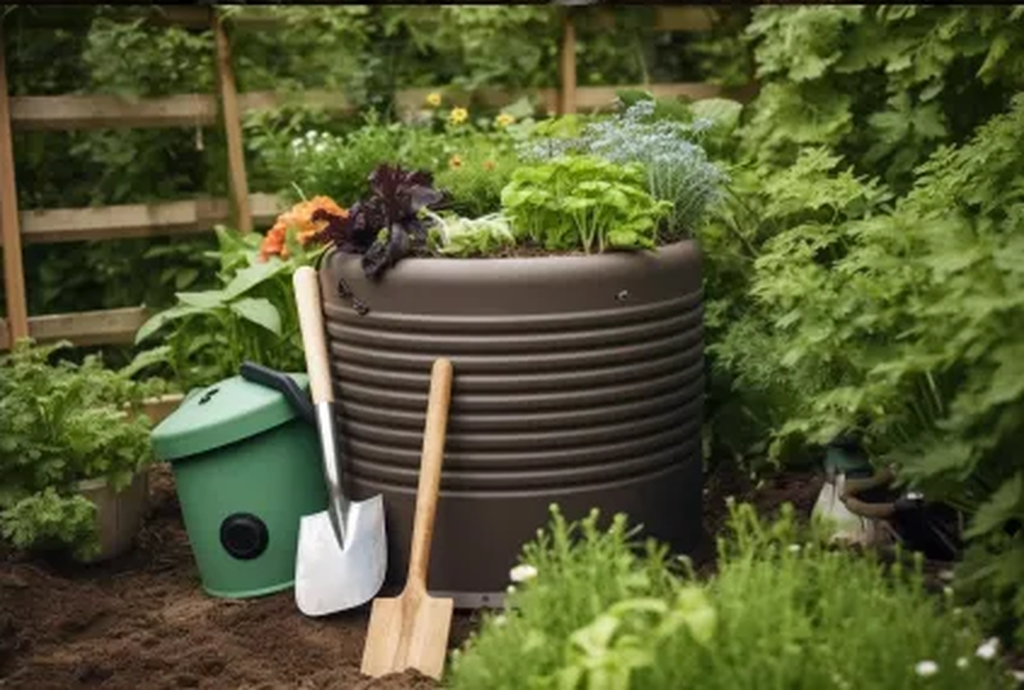
Composting transforms yard waste into nutrient-rich soil. Collect leaves, grass clippings, and small branches for your compost pile or bin. Remember, a balance of green and brown materials, such as vegetable scraps and dried leaves, is key. To speed up decomposition, turn the pile regularly and ensure it’s moist but not soggy.
Recycling can dispose of certain materials like paper and cardboard. Check local guidelines to see what’s accepted in your recycling bin. Use curbside pickup services if available, and for items not accepted in regular recycling, locate specialized drop-off centers. This approach reduces landfill waste and contributes to resource conservation.
Community Waste Programs
Community waste programs provide alternatives to burning. Participate in scheduled yard waste pickups, often offered weekly or biweekly during peak seasons. These programs transport your organic waste to facilities where it’s processed into mulch or compost.
Household hazardous waste events let you dispose of items like batteries, chemicals, or electronics safely. Many communities host these events annually, ensuring proper handling of materials posing environmental risks. Contact your local waste management authority to learn about available programs and how to participate. Balancing convenience and environmental responsibility helps maintain a cleaner backyard and community.
Conclusion
Backyard burning requires careful consideration of legal, safety, and environmental factors. By understanding local regulations and prioritizing safe practices, you can enjoy your outdoor activities responsibly. Always consult local authorities to ensure compliance and explore alternatives like composting and recycling to minimize environmental impact. Balancing enjoyment with responsibility not only keeps you compliant but also protects your community and the environment.

- How Much Does a Riding Lawn Mower Weigh? - January 9, 2026
- Can You Park Cars in Your Backyard? - January 3, 2026
- Understanding Drone Overflights and Privacy Concerns - January 3, 2026