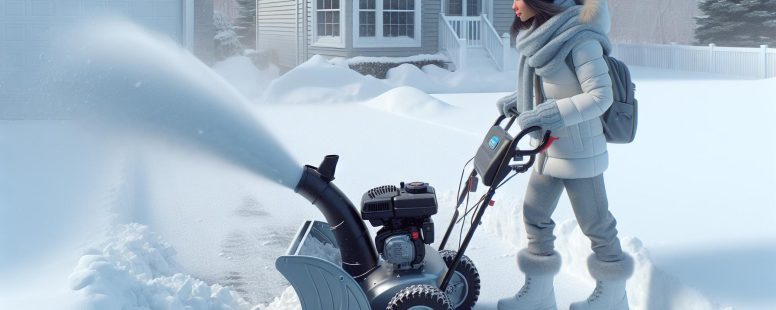
Unlocking the Truth: Do Snowblowers Take Regular Gas? A Comprehensive Guide to Optimal Fuel Use and Maintenance
Types of Fuel for Snowblowers
Snowblowers, like many machines, require specific types of fuel to operate optimally. Knowing the right type ensures efficient performance and longevity.
Differences Between Gasoline Types
There’s more than one type of gasoline available at your local station; unleaded regular (87 octane), midgrade (89 octane), premium gas (91-93 Octanes). But, not all are suitable for snow blowers. Regular unleaded gas typically gets recommended by manufacturers due to its lower cost and availability.
For instance:
| Gas Type | Octane Level |
|---|---|
| Regular Unleaded Gas | 87 |
| Mid-grade Unleaded Gas | 89 |
| Premium Unleaded Gas | 91-93 |
That being said, it’s essential that you refer to the owner’s manual before refueling your machine as certain models may have different requirements.
Ethanol Content in Fuel and Its Effects
Ethanol is an alcohol-based additive commonly mixed into gasoline – often seen as E10 or E15 on pumps indicating a blend containing up to either ten or fifteen percent ethanol respectively. Though environmentally friendly with fewer emissions compared to pure petroleum fuels – high concentrations could prove detrimental when used in small engines such as those found in snow blowers.
Over time, excessive use can lead towards engine damage including corrosion within components because ethanol absorbs water from air contributing towards rust formation inside metal parts which can reduce their life expectancy significantly thereby resulting into frequent repairs plus potential breakdowns during crucial moments when needed most like amidst heavy snowfall periods! Hence always consider this factor while purchasing fuel next time around!
- Always check manufacturer recommendations about appropriate petrol usage
- Avoid using blends exceeding beyond permissible limits suggested specifically pertaining against causing unnecessary mechanical issues down line
Can Snowblowers Use Regular Gas?
Transitioning from the previous section, let’s investigate into whether snowblowers can indeed use regular gas.
Importance of Manufacturer’s Recommendations
Manufacturers design their products to perform optimally under specific conditions and using particular fuel types. For instance, most two-stage snowblower models are compatible with regular unleaded gasoline with an ethanol content below 10%. But remember always to verify your machine’s user manual before making a choice.
Manufacturer guidelines offer accurate information about optimal operating requirements for various engines. Following these instructions ensures longevity in performance while keeping warranty agreements intact.
Let’s consider Honda as an example; it recommends using fresh unleaded petrol rated at least 86 octane in its range of snow blowers.
On another hand, Ariens’ company also advises sticking to non-ethanol fuels or ones that contain less than 10% ethanol for best engine health.
So you see how manufacturer recommendations differ? That shows why they’re crucial when determining what type of fuel is suitable for your equipment.
Potential Risks of Using Regular Gas
Regular gasoline isn’t without risks though – particularly those blends high in ethanol content (above E15). Ethanol tends to attract moisture which leads corrosion and damage over time within small-engine machinery like a blower unit. It can even degrade plastic parts inside the carburetor causing clogs and malfunction!
A study by Briggs & Stratton Corporation found that after three months, up to half inch layer forms on carburetors due solely deterioration caused by E15-grade fuel storage residue! Now imagine long-term effects…
Alternatives to Regular Gas for Snowblowers
Exploring alternatives to regular gas can prove beneficial, particularly when dealing with machines like snowblowers. Here’s what you need to know about non-ethanol fuels and fuel additives.
Benefits of Non-Ethanol Fuels
Non-ethanol fuels are often a better choice for your snow blower compared to ethanol-based gasoline. First off, they offer improved engine performance as their burning efficiency surpasses that of traditional gasoline. They provide an immediate boost in the power output, making your machine work optimally even under harsh winter conditions.
Also, non-ethanol fuels extend the life span of engines by reducing corrosion-related issues linked with ethanol-blended gases. A report from Briggs & Stratton Corporation indicates that prolonged use of high-level ethanol blends accelerates rusting within metal components leading to premature wear and tear[^1^].
Finally, these types of fuel guarantee stable storage without deteriorating or causing clogs in carburetors over extended periods if left unused during warmer months – no additional stabilizers needed!
Using Fuel Additives
Fuel additives serve as another alternative solution should you opt for using regular gas in your snow blowers instead; it’s important not just any additive will do though! Certain ones specifically designed for small engines increase octane levels while cleaning out gunk build-up inside tanks hence improving overall combustion processes[^2^]. Other benefits include preventing gum formation on parts due their anti-corrosive properties and helping maintain freshness during long-term storage much akin non-alcohol based solutions discussed earlier.
Remember but always follow manufacturer instructions about proper ratios when mixing these compounds into petrol avoid potential damage misapplication may cause.
To conclude adopting either above strategies alongside mindful adherence recommendations could go long way ensuring longevity optimal functionality equipment at hand season after season.
Maintenance Tips for Gas-Powered Snowblowers
Maintaining your gas-powered snowblower isn’t just about the fuel you use. It also includes adhering to a regular maintenance schedule and correctly handling fuel, ensuring longer equipment life.
Regular Maintenance Schedule
A consistent upkeep routine enhances the performance of your gas-powered snowblower. Start by inspecting all parts every month, from spark plugs to belts and cables. Spotting wear or damage early prevents larger issues down the line.
Cleaning is another key component in this process – remove dirt, grime, and ice residue after each use. For instance, cleaning air filters helps maintain optimal airflow while clearing out any residual oil or debris boosts engine efficiency.
Finally comes lubrication: apply grease on moving parts such as gears periodically which reduces friction-induced wear over time.
Handling Fuel for Longer Equipment Life
Properly managing gasoline extends not only your machine’s lifespan but its peak operation period too – no one wants mid-winter breakdowns!
First off: Store unused gasoline properly! A well-ventilated area with minimal temperature fluctuations works best; consider investing in an approved storage container designed specifically for combustible liquids like gasoline if possible.
Second tip involves using fresh fuel when it’s blizzard season – stale gas leads to gumming up of carburetors resulting in decreased power output plus potentially costly repairs further down the road.
Finally remember topping off tanks before storing away machines post-season minimizes exposure to moisture-laden air within empty tank spaces thereby preventing rust formation inside these critical components.
Conclusion
So you’ve got the facts. Regular unleaded gas with low ethanol content is your snowblower’s best friend, keeping it running smoothly and efficiently all winter long. High-ethanol blends can cause problems for your machine – but don’t fret! There are ways to mitigate this issue like using fuel additives when needed.
Just remember: maintenance isn’t only about what’s in the tank; inspecting parts, cleaning regularly and lubricating moving components are equally important steps to prolonging equipment life.
Storing fuel correctly and topping off tanks before storage might seem minor but they’re crucial habits that ensure optimal functionality of your snowblower season after season. Stick to these strategies, follow manufacturer instructions diligently – doing so will keep those winters worry-free as far as clearing up paths goes!

- How Much Does a Riding Lawn Mower Weigh? - January 9, 2026
- Can You Park Cars in Your Backyard? - January 3, 2026
- Understanding Drone Overflights and Privacy Concerns - January 3, 2026