Do Squirrels Prey on Birds and Chicks? Protection Tips
When you spot a squirrel in your backyard, you’re likely charmed by its playful antics and acrobatic feats. But there’s more to these furry critters than meets the eye. You might wonder, do squirrels eat birds and their babies? It’s a question that stirs curiosity and concern among bird lovers and wildlife enthusiasts alike.
Squirrels are known for their plant-based diet, munching on nuts and seeds with delight. But nature is complex, and survival often leads animals to unexpected behaviors. Let’s delve into the dietary habits of squirrels and uncover whether they pose a threat to our feathered friends.
Can squirrels eat birds and their babies?
You might be wondering if the cute squirrel you’ve seen scampering in your backyard is a threat to the local bird population. It’s well-known that squirrels mainly munch on nuts, fruits, and seeds. However, they’re opportunist feeders – if food is scarce, they won’t hesitate to switch up their diet.
You may find it surprising, but it’s true: squirrels have been observed preying on birds and their fledglings. This isn’t their regular go-to snack, but survival reigns supreme in the animal kingdom. When push comes to shove, squirrels will expand their diet to include meat in their diet, including birds and their young ones. This behavior is more commonly witnessed during the spring and early summer months when baby birds are most vulnerable.
So what drives a squirrel to this behavior? Hunger is a powerful motivator. In the face of dwindling plant-based resources, squirrels make do with what they can find. Although it might be unsettling to bird enthusiasts, it’s essential to recognize that all animals, including squirrels, must adapt their feeding habits to survive.
| Prey Type | Percentage Eaten by Squirrels (%) |
|---|---|
| Nuts and Seeds | 70-80 |
| Fruits | 5-10 |
| Bird Eggs | < 5 |
| Fledgling Birds | < 5 |
Addressing this concern involves understanding and supporting the delicate balance of your local ecosystem. Providing squirrels with alternative food sources, like establishing squirrel feeders, could potentially divert their attention away from bird nests. Keeping a clean and well-maintained yard reduces hiding places for predators, thereby giving birds a better chance at safety.
Remember, predators are a natural part of every ecosystem, and squirrels are no exception. By nurturing the diverse needs of your backyard wildlife, you can help create a harmonious environment where birds, squirrels, and other creatures can coexist.
The plant-based diet of squirrels

When you’re strolling through a park, chances are you’ll spot a squirrel snacking on something. Squirrels predominantly enjoy a diet consisting of plants. They’re not picky eaters and are usually content with a variety of nuts, seeds, and fruits that nature readily provides. Their favorites include acorns, walnuts, and berries, which are not only delicious for these critters but also necessary for their nutritional needs.
You might wonder why these creatures spend so much time gnawing on hard-shelled nuts. The act goes beyond mere consumption; it’s essential for maintaining their ever-growing incisors. A squirrel’s teeth never stop growing, so chomping on hard objects helps keep tooth length in check.
- Foods commonly eaten by squirrels:
- Nuts (acorns, peanuts, walnuts)
- Seeds (sunflower, pumpkin)
- Fruits (apples, oranges, berries)
- Fungi
- Bark and twigs of certain trees
Additionally, squirrels will occasionally dig into vegetables and other greens available in their environment. They have been known to raid gardens for tomatoes, corn, and other fresh produce, showcasing their adaptability when it comes to diet.
Interestingly, plant matter doesn’t just serve as food. Squirrels practice caching, which means they hoard food for later, especially as colder months approach. Nuts and seeds are ideal for these caches due to their long shelf life and the high energy content essential for the winter season.
While their inclination towards a plant-based diet is clear, don’t forget that squirrels are opportunistic feeders. As seasons change and food availability fluctuates, they may deviate from their usual diet to satisfy their hunger. The consumption of alternative food sources, including birds and their fledglings, is a grim yet occasional reality driven by survival instincts. Knowing this, you can play a role in assisting local wildlife by offering squirrels suitable alternatives, thereby helping to keep the natural order in check.
Anecdotal evidence of squirrel predation

When trying to understand the complex diet of squirrels, you may come across various eyewitness accounts of these critters displaying unusual behavior. Time and again, these stories surface from startled onlookers who’ve seen squirrels attacking birds and their younglings. It’s a side of the squirrel’s dietary habits that isn’t widely recognized but has some evidence, albeit largely anecdotal.
Dig into online forums or browse through backyard wildlife blogs, and you’ll find posts detailing the rare instances where peaceful-seeming squirrels turn predator. Gardeners and bird watchers occasionally report observing squirrels raiding nests or chasing down smaller birds, a behavior that seems at odds with their typical image as nut gatherers. These accounts add a layer of complexity to our understanding of these creatures’ survival tactics.
Photographic evidence also exists, capturing squirrels in the act. Although these instances are not everyday occurrences, the images are compelling and provoke thought about the adaptability of squirrels. In situations where traditional food sources decline or competition is fierce, it seems that squirrels may tap into their less-known predatory instincts to sustain themselves.
- Consider these instances:
- Snapshots of squirrels with eggs or hatchlings in their jaws
- Eyewitness tales of squirrels chasing and catching small birds
- Security footage showing nighttime raids on birdhouses
These examples, while not forming the bulk of scientific research, paint a picture of squirrels as opportunistic feeders, capable of altering their diet based on availability and necessity.
So the next time you’re out in your garden observing the wildlife, keep an eye out for the unexpected. What shows up might surprise you and add another personal account to the growing compendium of squirrel dietary habits.
Scientific studies on squirrel behavior

When you’re trying to understand whether squirrels have a taste for birds and their fledglings, it’s crucial to turn to the experts. What do scientific studies tell us about this phenomenon?
Research in wildlife biology reveals that squirrels are opportunistic feeders. Their diet typically consists of nuts, seeds, and fruits, but animal protein isn’t off the table. Predatory behavior in squirrels isn’t unheard of.
Studies show that dwindling food supplies can push these seemingly innocuous creatures to adopt less common dietary habits. They may go after insects, small rodents, and yes, on rare occasions, even birds.
Documentation of squirrels preying on nestlings appears sparse yet significant. While it might seem out of character for the bushy-tailed animals you’re used to seeing in your backyard, survival instincts often dictate behavior.
Here’s something to chew on:
- A study conducted at the University of Edinburgh noted instances of red squirrels preying on bird nests.
- Further afield, researchers recorded grey squirrels in city parks showing similar behavior, especially in early spring when other resources were scarce.
The implications are startling but valuable for understanding the broader spectrum of squirrel diets. Keep in mind that while these instances are remarkable, they do not represent the majority of squirrel dietary practices.
In terms of territoriality, squirrels are known to be fiercely protective of their habitats. When food sources are limited, their instinct to survive can lead them to raid nests. However, this behavior also intersects with the natural cycle of predation and competition that exists within ecosystems.
Finally, it’s important to factor in that adapting to urban environments has had significant effects on wildlife behavior. Urban squirrels demonstrating predatory actions might be responding to the unique pressures of city living, where traditional food sources are altered or less available.
As eco-friendly practices spread and urban wildlife habitats evolve, keep an eye on your local squirrels. Observe their behaviors and consider how they fit into the constantly changing tapestry of urban ecology.
Minimizing the risks for birds

Protecting local bird populations from predatory squirrels starts with supportive measures in your own backyard. If you have a bird feeder, consider implementing a variety of strategies to deter squirrels and minimize the threat they pose to our feathered friends.
- Position feeders away from jumping points like trees or structures, ideally more than 10 feet from possible launch zones.
- Use squirrel-proof feeders: Some feeders come with weight-activated mechanisms that close off access to food when a heavy squirrel latches onto them.
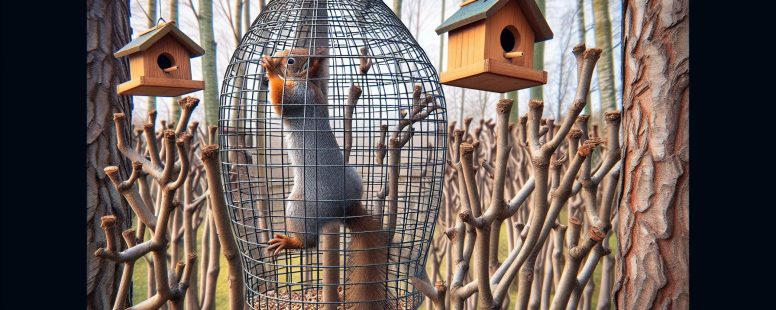
- Encase feeders within wire cages with spaces large enough for birds to enter but too small for squirrels to get through.
Beyond feeders, landscaping plays a pivotal role in controlling squirrel access to bird nests. Keeping tree branches trimmed back from your house or birdhouse posts prevents squirrels from getting an easy path to nests.
For birdhouses, mounting them on metal poles rather than trees can provide an additional layer of security. Smooth metal poles can be far more challenging for squirrels to climb than wooden or rough-textured surfaces.
Consider using predator guards on trees where birds commonly nest. These are barriers or baffles placed around the trunk of a tree to prevent squirrels from climbing up to the branches where nests might be located. A simple baffle can be a broad metal collar or a cone-shaped guard that acts as a physical deterrent.
Regularly assess the environment around your property. Eliminate easily accessible food sources that draw squirrels in, like unsecured garbage or pet food. A clean yard is less inviting and reduces competition for resources, indirectly lowering the likelihood of predatory behavior.
Remember, the goal is to create a balance between enjoying the presence of squirrels while safeguarding birds. Simple steps and awareness of the surroundings can significantly help achieve this balance. Keep an eye on bird and squirrel activity in your area to promptly adjust these protective strategies.
Conclusion
You’ve now got the tools and knowledge to protect our feathered friends from squirrel-related threats. Remember, it’s all about creating a safe and balanced backyard ecosystem. Whether you’re trimming branches or investing in specialized feeders, your actions make a difference. Stay vigilant, keep adapting your strategies, and enjoy the harmony of wildlife at your doorstep. With these measures, you’ll not only support bird populations but also enjoy the antics of squirrels without the guilt.

- How Much Does a Riding Lawn Mower Weigh? - January 9, 2026
- Can You Park Cars in Your Backyard? - January 3, 2026
- Understanding Drone Overflights and Privacy Concerns - January 3, 2026