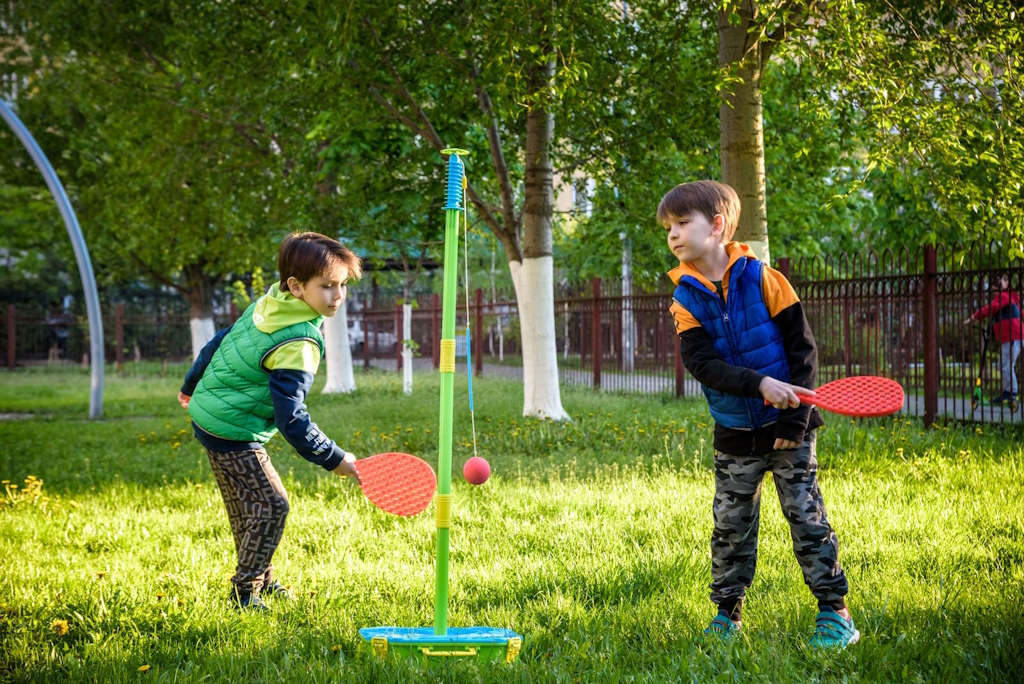
Fun Backyard Tag Variations for Mixed Ages: Creative, Safe, and Inclusive Games to Try
Picture the laughter echoing through your backyard as kids of all ages dart and dash under the sun, their feet pounding the grass in a timeless game of tag. But what if you could turn this classic chase into an adventure that’s fair and thrilling for everyone—from toddlers to teens? Mixing ages in tag games often means balancing speed and skill, yet with the right twists, you can create moments where everyone shines.
Tag isn’t just about running; it’s about strategy, teamwork, and bursts of surprise that keep hearts racing and smiles wide. By exploring creative backyard tag variations, you’ll unlock new ways to engage your whole crew, making playtime more inclusive and unforgettable. Ready to transform your outdoor space into a playground of endless fun? Let’s jump into tag games that bring everyone together, no matter their age or pace.
Classic Tag with a Twist
Classic tag is timeless, yet adding a few twists breathes new energy into the game, keeps players of mixed ages engaged, and creates shared moments of laughter and challenge.
Freeze Tag Variation
Freeze tag turns the chase into a strategic dance. When tagged, players freeze in place until another untagged player frees them by tagging their hand. The simple change transforms the game, inviting cooperation among younger and older players. Younger kids feel less pressure since they can rely on team support, while older kids experience increased strategy balancing who to free and when to chase. Picture toddlers stuck in playful poses—like a frozen statue or a superhero mid-flight—waiting eagerly for rescue. This variation encourages observation skills and anticipation. If you want, add a “thaw zone” where frozen players can move slightly or perform a fun move to be unfrozen, adding layers of fun and movement suitable across ages. According to youth play experts at the American Academy of Pediatrics, games encouraging cooperative play enhance social development and inclusive fun.
Blob Tag for Team Play
Blob tag shifts classic tag into a collaborative sprint, where once someone is tagged, they link arms with “it,” forming a growing chain or blob. This isn’t just about speed but about positioning, teamwork, and patience—traits that blend toddler enthusiasm with teen agility. As the blob grows, maneuvering becomes a challenge, urging players to communicate and coordinate, turning backyard tag into a live puzzle of movement. Picture the exhilaration as parents watch their mixed-age children weave and dodge like a living rope. The game’s evolving dynamic ensures no one feels left behind; younger kids become valuable parts of the blob while older kids learn to accommodate and support. Adding obstacles or safe zones boosts complexity for older kids without overwhelming the young ones. Studies highlight that such collaborative play fosters empathy and group problem-solving, skills valuable beyond the backyard.
By embracing these twists, you transform tag from a simple chase into a dynamic, inclusive backyard adventure. You create a playground where ages mix, skills blend, and memories form. So, which variation will you try first this weekend?
Creative Tag Games for Mixed Ages
Bringing together kids of varying ages calls for tag games that balance energy, strategy, and fun. These creative tag variations ensure each player feels challenged and included.
Shadow Tag for Different Skill Levels
Shadow Tag shifts focus from chasing bodies to chasing shadows, making it ideal for mixed ages. Instead of tagging a person, you aim to step on their shadow. It reduces the pressure on speed, letting younger players thrive while older ones sharpen their agility and awareness. Picture a group of kids on a sunny afternoon, darting around trying to capture each other’s shadows—it’s a game of anticipation and patience rather than pure sprinting. This variation cultivates spatial awareness, especially when the sun shifts, altering shadow lengths and directions. You might notice quicker kids adjusting their strategies when the shadows grow longer late in the day, while younger players capitalize on closer, easier targets. According to developmental experts, games focusing on perceptual skills complement physical activity, boosting coordination across age groups. Have you tested Shadow Tag on a cloudy day? It reveals how natural elements influence gameplay, asking kids to rethink their tactics.
Detective Tag for Strategic Fun
Detective Tag invites players to solve mysteries while sprinting and tagging. One player acts as the detective who “tags” suspects based on observed clues like walking patterns or hiding spots. Rather than just running wild, this game turns tag into a mind game, engaging reasoning and attention. You watch who sneaks behind bushes or avoids eye contact—perfect for older kids developing social insights while younger ones enjoy role-playing. Picture the detective narrating clues: “I saw the suspect near the big tree… or was it the swing?” This storytelling layer encourages communication and listening skills, often missing in traditional tag. Research in educational psychology emphasizes that role-based play fosters empathy and problem-solving, valuable in mixed-age interactions. What strategies would you add to expand Detective Tag? Introducing evidence cards or time limits could heighten suspense and fairness.
Both Shadow Tag and Detective Tag transform tag from a simple chase into rich experiences that challenge body and mind. They encourage inclusivity by adapting rules that meet the diverse abilities and interests of all players. Embrace these games in your backyard to spark creativity, cooperation, and unforgettable memories among your kids.
Using Props in Tag Games
Props bring fresh energy to tag games, making them more engaging and accessible for players across different ages. By incorporating objects like flags or balls, you inject new layers of challenge and skill that balance physical abilities and strategy.
Flag Tag for Added Challenge
Flag Tag transforms the chase into a tactical quest by requiring players to capture a flag tucked into a belt or waistband. This prop encourages quick thinking, precision, and stealth, rather than just speed. Younger kids often find clever hiding spots, while older players hone their agility and observation skills. To keep it exciting, mix up flag placements to challenge different abilities evenly. For example, toddlers could pin flags lower on the body, whereas teens might wear them higher to increase difficulty. This uneven terrain creates a dynamic environment where everyone contributes uniquely, strengthening both competition and cooperation. Studies on childhood play suggest that props stimulate cognitive skills and improve motor coordination (Source: American Academy of Pediatrics). Have you tried switching teams mid-game to even the playing field? It often sparks fresh excitement and teamwork.
Ball Tag for Coordination
Adding a ball to tag injects coordination and timing into the classic chase. Instead of tagging by touch, players must hit opponents lightly with a soft ball to freeze or tag them out. This variation levels the playing field because accuracy matters more than sheer speed. Younger children improve hand-eye coordination by aiming softly, while older kids practice precision under pressure. Using different-sized balls adapts the game further; large foam balls slow down fast runners, while smaller balls increase difficulty for older players. To keep everyone’s spirits high, allow caught players to pass the ball back and rejoin quickly, promoting continuous play and inclusion. This version echoes principles from team sports, fostering quick decision-making and spatial awareness (Source: Journal of Physical Education). When players rotate roles between thrower and dodger, the game becomes a rich exercise in empathy and fairness.
Props do more than add fun—they transform tag into a comprehensive physical and social experience that respects mixed ages and diverse abilities. Which prop will you introduce next to your backyard adventures?
Safety Tips for Backyard Tag
Playing tag in your backyard sparks joy and boundless energy, yet safety keeps the fun lasting longer. Establish clear safety guidelines to protect players of all ages while maintaining the game’s excitement.
Setting Boundaries
Define visible and understood play boundaries, such as fence lines, garden beds, or marked zones, to avoid wandering into unsafe areas. Use cones or natural landmarks to create these limits. Girls chasing boys near a busy street crossed a clear boundary and got into trouble, illustrating why boundaries save mishaps. Boundaries control the play space and reduce collisions with hard surfaces or obstacles like garden tools or furniture. If you set clear limits first, players quickly grasp where the running must stop and where caution must rise. Encourage players to respect these borders as strictly as referees in sports, ensuring nobody ventures into dangerous zones unknowingly.
Age-Appropriate Rules
Adapt rules to match each player’s age, coordination, and stamina, preventing frustration or injury. Younger children might tag gently or use “soft tags” like touching a shoulder, while older kids might play with standard tags using full speed. Create variations where toddlers freeze instead of run, included with adult supervision. When older kids understand the need for gentler play, it fosters empathy and keeps everyone involved. Stories from experienced coaches reveal how introducing rules like “no tagging above the shoulders” drastically lowers risk without dulling the game’s spirit. Ask yourself: how can rules be inclusive without sacrificing challenge? You might find kids suggest safer ways themselves when given a chance, showing creative solutions emerge from the play group.
Integrating these safety tips enriches backyard tag, making it a joyful and secure game for every age. Ensure boundaries and age-appropriate rules come first so laughter lasts and memories form without harm.
Conclusion
Bringing fresh twists to backyard tag can turn any gathering into an unforgettable adventure for kids of all ages. By mixing in new rules, teamwork, and props, you create a game that’s exciting and inclusive.
You’ll find that these variations not only keep everyone engaged but also help build important skills like cooperation, strategy, and coordination. Plus, with safety in mind, your backyard becomes the perfect place for fun and growth.
Ready to make your next playtime more dynamic? Pick a variation that fits your group and watch the laughter and energy soar. Your backyard tag game is about to get a whole lot better.

- How Much Does a Riding Lawn Mower Weigh? - January 9, 2026
- Can You Park Cars in Your Backyard? - January 3, 2026
- Understanding Drone Overflights and Privacy Concerns - January 3, 2026