
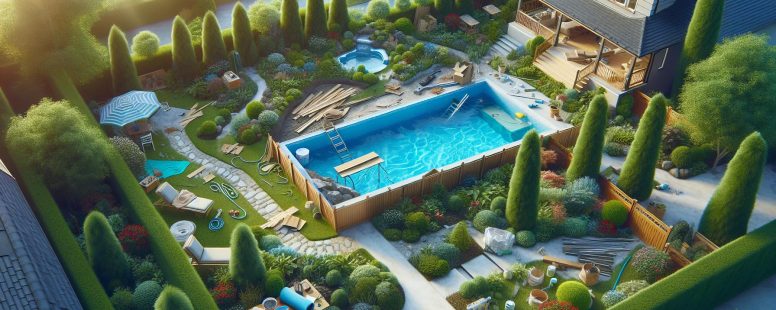
Ultimate Guide: How Much Does a Pool Cost? Types & Maintenance Insights
Dreaming of adding a pool to your backyard oasis but wondering about the cost? You’re not alone. The price of installing a pool can vary widely, depending on several factors such as size, materials, and additional features. Whether you’re envisioning a luxurious infinity pool or a simple above-ground setup, understanding the financial commitment involved is the first step in turning your dream into reality.
From the initial installation to ongoing maintenance, the costs associated with owning a pool can add up. But, with careful planning and budgeting, you can find an option that suits your lifestyle and wallet. Let’s jump into what you need to know about pool costs, so you can make an well-informed choice that’ll bring you endless summer fun.
Factors Affecting Pool Cost
When you’re contemplating installing a pool in your backyard, understanding the various factors that influence the cost is crucial. Pool prices aren’t one-size-fits-all; they can dramatically vary based on several key components. By breaking down these elements, you’ll be better equipped to estimate the overall financial commitment required.
Size and Shape
First and foremost, the size and shape of the pool have a considerable impact on the price. Larger pools not only require more materials to construct but also more labor. Similarly, customized shapes or designs can increase the cost compared to standard rectangular or oval options. It’s vital to balance your desired pool size and shape with your budget constraints.
Material Choices
The materials used in pool construction significantly affect the final cost. Here’s a brief overview of common materials and their impact on pricing:
- Fiberglass: Known for its durability and ease of maintenance, fiberglass pools are typically more expensive upfront but can save you money in the long run.
- Concrete: Offers the most customization options but at a higher installation and maintenance cost.
- Vinyl: The most cost-effective option, vinyl liners are customizable and require relatively low initial investment but might need replacement every 5-9 years.
Additional Features
Enhancements and additional features can quickly escalate the cost of pool installation. Below are some popular additions that can influence the final price:
- Heating systems: Extending your swimming season with a heater comes with its own price tag.
- Lighting: Underwater lighting adds ambiance but also adds to the overall cost.
- Landscaping and decking: The surroundings of your pool play a significant role in the aesthetic and usability of your outdoor space, impacting the budget.
Location and Labor Costs
Finally, your geographical location and the associated labor costs can affect the overall price of installing a pool. In areas with higher living costs, you can expect to pay more for labor. Also, the accessibility of your backyard and the complexity of the installation can drive up labor prices.
By taking these factors into account, you’re able to form a more accurate budget for your dream pool. Remember, investing in a pool is not just about the upfront costs but also considering the long-term maintenance and potential for increasing the value of your home.
Types of Pools
When you’re considering adding a pool to your backyard, understanding the different types of pools available is crucial. Each type comes with its own set of benefits, costs, and maintenance needs. Let’s jump into the main types of pools you can choose from.
In-Ground Pools
In-ground pools are a popular choice for many homeowners due to their durability and customizable options. These pools are constructed below the ground level and can be designed in various shapes and sizes to fit your backyard space perfectly. The three main materials used for in-ground pools are:
- Concrete: Highly durable and customizable but requires significant maintenance.
- Vinyl: Less expensive and requires less maintenance than concrete but is prone to punctures.
- Fiberglass: Offers easy installation and minimal maintenance but has limited shapes and sizes.
Above-Ground Pools
Above-ground pools offer a cost-effective and convenient option. They are quicker to install and can be disassembled and moved if necessary. While they may not last as long as in-ground pools, modern above-ground pools come in various styles that can complement your backyard aesthetics nicely.
Infinity Pools
Infinity pools, also known as zero-edge pools, are designed to give the illusion of the water extending to the horizon. They are typically more expensive due to the complex construction required to create the infinity effect. Infinity pools are best suited for properties with stunning views, as they enhance the world’s beauty.
Lap Pools
Lap pools are designed for fitness enthusiasts who enjoy swimming for exercise. Typically long and narrow, these pools provide a straight path that’s ideal for laps. Lap pools can be both in-ground and above-ground, making them a versatile option for those looking to incorporate a workout space in their backyard.
Each pool type offers unique benefits and challenges, so your choice should align with your budget, lifestyle, and long-term maintenance commitment. Whether you’re looking for a luxurious infinity pool to enhance your view or a practical lap pool for daily exercise, there’s a pool type to meet your needs.
In-Ground Pools
When diving into the world of in-ground pools, you’ll find they offer a permanent addition to your home, boosting its value and your quality of life. But, before making a splash, it’s crucial to understand the costs, types, and maintenance involved.
Types and Costs
In-ground pools come in three main materials: concrete, vinyl, and fiberglass. Each material affects the cost, durability, and maintenance level differently.
- Concrete Pools: Known for their durability and flexibility in design, concrete pools can be customized into any shape or size. But, they’re on the higher end of the cost spectrum due to their labor-intensive construction and longer installation time. On average, concrete pools can cost between $50,000 and $100,000.
- Vinyl Pools: A more cost-effective option, vinyl pools have a custom-made vinyl liner fitted over a frame. While they offer fewer customization options than concrete, they’re quicker to install and typically range from $35,000 to $65,000.
- Fiberglass Pools: These pools come pre-formed and are installed into a pre-dug hole, making the installation process much faster. Fiberglass pools are known for their low maintenance and resilience to algae. Prices generally fall between $40,000 and $85,000.
Maintenance and Longevity
Maintenance is a critical component of owning an in-ground pool. Concrete pools require regular resurfacing every 10 to 15 years, while vinyl liners need replacement approximately every 7 to 15 years. Fiberglass, known for its durability, rarely needs such extensive maintenance, but like all pools, it requires regular cleaning and chemical balancing.
Location and Installation Factors
The cost and feasibility of installing an in-ground pool also depend on your geographical location. Factors such as soil type, water table depth, and local regulations can significantly affect the installation process and costs. For instance, areas with rocky soil may incur higher excavation costs.
Choosing the right type of in-ground pool is a decision that requires careful consideration of your budget, lifestyle, and long-term maintenance commitment. Whether you opt for the customization of concrete, the cost-effectiveness of vinyl, or the durability of fiberglass, an in-ground pool can provide years of enjoyment and add significant value to your home.
Above-Ground Pools
When you’re exploring options for adding a pool to your backyard, above-ground pools stand out due to their affordability and versatility. Unlike their in-ground counterparts, above-ground pools offer a cost-effective and flexible solution for families and homeowners.
Cost Considerations
Above-ground pools are significantly less expensive than in-ground pools. The average cost ranges from $1,500 to $5,000, depending on the size, materials, and additional features you choose. You can also opt for more upscale models, which may cost up to $10,000. But, these are still more budget-friendly compared to in-ground pools, which can easily exceed $20,000.
| Pool Type | Average Cost Range |
|---|---|
| Above-Ground | $1,500 – $10,000 |
| In-Ground | $20,000+ |
Benefits of Choosing Above-Ground Pools
- Installation Time: Above-ground pools can be installed much quicker than in-ground pools. In many cases, setup can be completed in just a few days.
- Flexibility: If you decide to move, you can disassemble and take your above-ground pool with you, offering flexibility that in-ground pools can’t match.
- Maintenance: Generally, above-ground pools are easier to maintain. Their elevated design minimizes the risk of debris falling in, reducing cleaning time.
- Safety: For families with young children, above-ground pools can be safer due to their raised entry point, making it more difficult for children to access the pool unsupervised.
Selecting Your Above-Ground Pool
When choosing an above-ground pool, consider the material (steel, resin, or aluminum), size, and shape that best fits your space and lifestyle. Also, think about additional features like a deck or a pool heater, which enhance the usability and enjoyment of your pool. Making the right choice ensures that your pool not only meets your budget but also your long-term satisfaction and use.
Additional Features and Accessories
When diving into the cost of adding a pool to your backyard, it’s crucial not to overlook the additional features and accessories that can elevate your swimming experience. These elements not only enhance the aesthetics and functionality of your pool but also significantly impact the overall cost.
Lighting is an essential feature for any pool, providing both safety and ambiance. LED pool lights are popular for their energy efficiency and long lifespan. Depending on the size of your pool and the lighting effect desired, installing LED lights can cost between $700 and $1,800 per light, including installation.
Heating systems extend your pool use into the cooler months. There are several options available, including solar heaters, gas heaters, and heat pumps. Solar heaters are cost-effective over time but require a sizable initial investment, ranging from $3,000 to $4,000. Gas heaters and heat pumps, though quicker at heating your pool, run higher in operational costs and can be priced between $1,500 and $6,500, excluding the cost of gas or electricity.
Adding a pool cover is an excellent way to reduce maintenance costs by keeping debris out and minimizing water evaporation. Automatic pool covers offer convenience at a premium, costing anywhere from $6,000 to $15,000, while manual covers are more budget-friendly, ranging from $600 to $3,000.
Water features, such as waterfalls and fountains, add visual appeal and soothing sounds to your pool area. Installation and operation costs depend on the complexity of the feature, with most projects starting at $1,000 and can escalate to $10,000 for more elaborate designs.
In the table below, you’ll find a summary of the costs associated with these additional features and accessories:
| Feature | Cost Range |
|---|---|
| Lighting | $700 – $1,800 per light |
| Heating Systems | $1,500 – $6,500 + operational costs |
| Pool Cover | $600 – $15,000 depending on type |
| Water Features | $1,000 – $10,000 depending on complexity |
Understanding Installation Costs
When you’re contemplating adding a pool to your backyard, understanding the installation costs is crucial. These costs not only cover the physical construction of the pool but also the preparation of your site, which can significantly vary based on your location and the type of pool you choose.
In-ground pools are more expensive to install compared to above-ground pools, primarily due to excavation and construction requirements. Here’s a rough breakdown to give you a clearer picture:
- Excavation: Before any construction begins, the ground needs to be prepared. This process can cost anywhere from $1,000 to $5,000, depending on the size of the area and the amount of earth that needs to be moved.
- Materials: The choice of materials significantly affects the overall cost. For instance:
- Concrete pools cost between $35,000 and $65,000.
- Vinyl pools are slightly less, with prices ranging from $25,000 to $45,000.
- Fiberglass pools fall in a similar range, costing about $20,000 to $60,000.
These costs are influenced by the pool’s size, depth, and customization level.
Above-ground pools, on the other hand, offer a more budget-friendly option with prices typically ranging from $1,500 to $15,000, including the kit and installation.
Labor costs also play a significant role and can vary widely by region. On average, labor costs for installing an in-ground pool can range from $5,000 to $20,000, while above-ground pools can be set up for significantly less, often around $1,000 to $3,000 in labor.
Finally, additional features such as lighting, heating, and custom design elements can add to the cost. Each of these features comes with its own price tag, but they also contribute to the overall enjoyment and functionality of your pool.
Understanding these costs and how they relate to your specific project can help you set a realistic budget and make informed decisions as you plan your backyard oasis.
Ongoing Maintenance Expenses
When you invest in a pool, it’s not just the installation costs you need to consider. The ongoing maintenance expenses play a crucial role in keeping your swimming haven in top-notch condition. Understanding what these costs entail will help you budget effectively for the long term.
Firstly, regular cleaning is essential to prevent algae and bacteria growth. This includes skimming debris off the surface, vacuuming the pool floor, and brushing the walls. Depending on the size of your pool and whether you opt to do it yourself or hire a professional, cleaning costs can vary greatly. On average, hiring a pool cleaning service can range from $75 to $100 per cleaning session.
Secondly, chemical balance is vital for a safe swimming environment. You’ll need to regularly test and adjust the pH levels, chlorine, and other chemicals to maintain clear and sanitary water. The annual cost for pool chemicals typically ranges between $200 and $300.
Thirdly, water usage and heating significantly affect your expenses. Evaporation, splash-out, and backwashing can increase your water bill. Also, if you use a heater to extend your swimming season, expect your energy costs to rise. These expenses can vary widely depending on your local utility rates and climate.
Finally, equipment maintenance is crucial for the longevity of your pool. Pumps, filters, heaters, and other mechanical systems require occasional repairs and replacements. For example, a pool pump might last 8 to 12 years but could cost upwards of $500 to replace.
| Maintenance Task | Average Annual Cost ($) |
|---|---|
| Cleaning Services | 900 – 1,200 |
| Chemicals | 200 – 300 |
| Water Usage and Heating | Variable |
| Equipment Maintenance | Variable, with major replacements costing upwards of 500 |
To efficiently manage your pool’s maintenance expenses, consider setting aside a yearly budget. By being proactive and scheduling regular maintenance checks, you can avoid unexpected costs and ensure your pool remains a refreshing retreat for years to come.
Budgeting for a Pool
When you’re considering adding a pool to your backyard oasis, it’s essential to factor in all potential costs, not just the initial installation. Budgeting for a pool goes beyond the upfront price, diving into ongoing maintenance, possible repairs, and even increased utility bills. Let’s break down what you need to know to make an well-informed choice.
Initial Costs
First and foremost, the type of pool you choose greatly impacts your initial investment. Here’s a quick overview:
- In-ground pools typically range from $35,000 to $65,000.
- Above-ground pools are more affordable, with costs between $1,500 and $15,000.
- Luxury options like infinity pools can skyrocket well above $100,000.
Don’t forget to include landscaping and fencing, which can add $5,000 to $15,000 to your initial outlay.
Ongoing Maintenance Expenses
Your pool will require regular maintenance to keep it clean and safe. Here’s what you can anticipate spending annually:
| Maintenance Task | Average Annual Cost |
|---|---|
| Cleaning Services | $600 – $1,800 |
| Chemicals | $400 – $800 |
| Heating | $100 – $600 |
| Repairs | Varies |
| Water Usage | Varies |
Pools also need occasional repairs, and water levels must be maintained, influencing your water bill.
- Energy Costs: Running pumps and heating can increase your energy bills, especially during peak seasons.
- Insurance: Some insurers raise premiums for homes with pools due to increased liability.
- Resale Value: While pools can increase property value, they may limit potential buyers.
Budgeting for a pool means looking at the bigger picture. It’s not just the joy of jumping into cool water on a hot day; it’s about understanding the long-term commitment and expenses. By planning ahead, you can ensure that your pool is a source of relaxation, not financial stress.
Conclusion
Deciding to install a pool in your backyard is a significant investment that goes beyond the initial installation costs. You’ve seen how the type of pool you choose, from in-ground to above-ground, and the materials used significantly affect your upfront costs. But it’s essential not to overlook the ongoing maintenance, repairs, and utility bills that come with pool ownership. Each pool type offers unique benefits and maintenance needs, so consider what aligns best with your lifestyle and budget. Remember, the value a pool adds to your life and property is substantial, but it requires careful planning and consideration of all potential expenses. By keeping these factors in mind, you’ll be well on your way to making an well-informed choice that brings endless enjoyment and relaxation to your home.

- How Much Does a Riding Lawn Mower Weigh? - January 9, 2026
- Can You Park Cars in Your Backyard? - January 3, 2026
- Understanding Drone Overflights and Privacy Concerns - January 3, 2026


