Outdoor Shower Costs: Budgeting for Your Backyard Oasis
Building an outdoor shower can be a refreshing addition to your home, offering a unique way to cool off in the summer or rinse off after a dip in the pool. But before you jump into this project, you’re likely wondering about the costs involved. From choosing the right materials to deciding whether to DIY or hire a professional, several factors can influence the overall price. Let’s break down what you need to know to budget for your outdoor shower.
Choosing the Right Location
Finding the perfect spot for your outdoor shower is crucial, not only for the shower’s functionality but also for privacy, accessibility, and integration with your world. When selecting the location, there are several factors you need to consider to ensure you get the most out of your outdoor bathing experience.
Accessibility and Convenience
Firstly, think about how easily you can access the shower from your house. Ideally, it should be close enough to make it convenient to use, yet positioned in a way that provides privacy. You don’t want to trek across your entire yard just to rinse off. If your outdoor shower is going to be an extension of your pool area, proximity is key for quick rinses before and after swimming.
Privacy Concerns
Privacy is a significant concern for most homeowners when installing an outdoor shower. Look for a location that naturally shields the area from neighbors’ views or public spaces. Utilizing existing structures, like the side of your house or a tall fence, can provide an excellent privacy screen without the need for extensive additional construction.
Sunlight and Drainage
Consideration of sunlight and drainage will impact the comfort and sustainability of your shower. A spot that receives ample sunlight will help keep the area warm and inviting, besides facilitating the drying process to prevent mold and mildew growth. Proper drainage is essential to avoid water pooling and potential damage to your yard. Ensure the shower site has or can have effective water drainage installed to manage runoff.
Integration with Landscaping
Integrating the shower with your existing world enhances the overall aesthetic and feel of your outdoor space. Choose a location that allows the shower to blend seamlessly with your garden, deck, or patio. Utilizing natural elements, like stone pathways leading to the shower or surrounding it with lush plants, can make it feel like a natural part of your outdoor oasis.
When carefully selected, the right location will maximize your outdoor shower’s potential, providing a practical, private, and pleasurable addition to your home.
Determining the Size and Style
When you’re planning to build an outdoor shower, two crucial factors to consider are its size and style. These elements not only affect the overall cost but also how well the shower will blend with your outdoor space and meet your needs.
Size Matters
The size of your outdoor shower directly influences its cost. A basic, wall-mounted showerhead with cold water access can be compact and relatively inexpensive. But, if you’re aiming for a more luxurious experience with multiple showerheads, integrated changing areas, and hot water access, the size—and later, the cost—increases.
Consider how you plan to use the shower. For rinsing off after a swim, a simpler, smaller setup might suffice. But for a full showering experience, you’ll need a larger space. Here’s a rough breakdown of sizes:
- Simple Rinse-Off Area: 3×3 feet
- Full Shower with Changing Area: 4×6 feet or larger
Style Choices
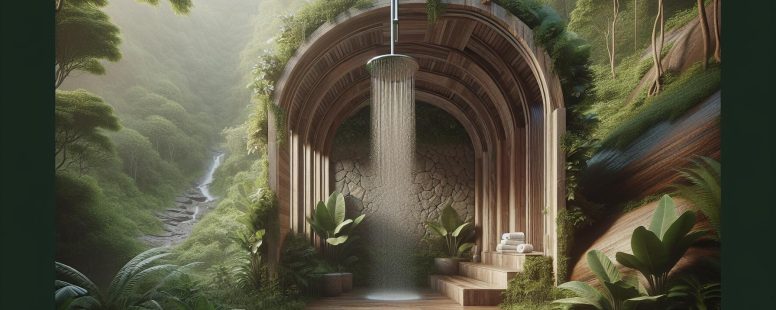
The style of your outdoor shower should reflect both your personal taste and the architectural style of your home. From rustic, wood-paneled showers that blend with nature to sleek, modern designs with stainless steel finishes, the possibilities are vast. Remember, the materials and finishes you choose will impact the overall cost. For instance, natural stone flooring might look stunning but will increase your budget more than a simple, poured concrete base.
Energy efficiency and sustainability are also style considerations. Solar-powered showers are environmentally friendly and can save on energy bills, while recycled materials can add a unique touch to your shower without very costly.
Eventually, your outdoor shower’s size and style should enhance your outdoor living experience. By carefully considering these aspects, you can create a functional, beautiful space that meets your needs and complements your home.
DIY or Hiring a Professional
When deciding whether to begin on building an outdoor shower as a DIY project or to hire a professional, several factors come into play, affecting both cost and outcome. Understanding these factors can help you make an well-informed choice that aligns with your budget, skills, and project goals.
Benefits of DIY
Going the DIY route for your outdoor shower can be significantly cost-effective. By taking on the labor yourself, you can save on the costs associated with hiring a professional. Also, opting for a DIY project allows for complete personalization. You have the freedom to select materials based on your style preferences and budget. It’s also worth mentioning that completing a project on your own can offer a sense of accomplishment and pride in your craftsmanship.
Considerations for DIY
While the prospect of saving money and adding a personal touch is appealing, DIY projects require a solid understanding of plumbing and construction. You’ll need to be comfortable with tools and familiar with local building codes and regulations. Without the necessary skills, you could face delays or need to make costly corrections.
Benefits of Hiring a Professional
Hiring a professional ensures that your outdoor shower is built correctly and efficiently. Professionals bring a wealth of experience, can anticipate potential issues, and often guarantee their work. They’re also knowledgeable about local codes and can obtain the necessary permits. This option can save time and prevent the stress associated with tackling a project beyond your expertise.
Cost Implications
The choice between DIY and hiring a professional will significantly impact your overall budget. Here’s a breakdown:
| Approach | Cost Factor |
|---|---|
| DIY | Material costs, potential tool rental/purchase |
| Professional | Labor, expertise, materials, and time efficiency |
Eventually, if you have the skills, time, and desire to learn, a DIY outdoor shower project could be a rewarding experience. But, if you prioritize a quick, hassle-free process and guaranteed quality, hiring a professional is the way to go. Assess your personal situation, skills, and budget to make the choice that best suits your needs for building an outdoor shower.
Estimating the Cost of Materials
When embarking on building an outdoor shower, understanding the cost of materials is essential for keeping within your budget. Different materials not only affect the aesthetics but also the durability and maintenance needs of your outdoor shower.
Types of Materials and Their Costs
The materials you select can range from simple and inexpensive to premium and costly. Here’s a brief overview:
- Wood: A popular choice for its natural look. Redwood and cedar are top picks due to their resistance to rot and insects. Expect to spend around $2 to $5 per linear foot.
- Stone and Tile: Offers a high-end finish with a wide range of prices based on the type. Stone tiles can cost anywhere from $5 to $30 per square foot, while ceramic tiles might be slightly less.
- Metal: Stainless steel or copper gives a modern feel and excellent durability but at a higher price, usually $6 to $12 per square foot.
- PVC and Composite: These materials offer great weather resistance and low maintenance at $1 to $7 per square foot.
Additional Material Considerations
Beyond the primary construction materials, don’t forget about:
- Plumbing Fixtures: The price varies significantly based on quality and design, with basic showerheads starting at $20 and high-end models going up to $500 or more.
- Drainage Materials: Essential for proper water runoff and to prevent pooling. Gravel and PVC piping are common choices, with costs depending on local prices and the size of the shower.
- Privacy Structures: Screens or enclosures made from the same or complementary materials as the shower itself. Costs will vary based on size and materials chosen.
When estimating your materials cost, always add a 10-20% buffer for any unexpected expenses. This proactive approach will help ensure that you stay within your budget while achieving the aesthetics and functionality you desire for your outdoor shower. Remember, investing in quality materials upfront can save you money on maintenance and replacements in the long run.
Considering Additional Costs
When planning your outdoor shower, it’s easy to focus solely on the basic materials like wood or tiles. But, several additional costs can impact your budget more than you’d think. Understanding these will ensure you’re not caught off guard.
First off, let’s talk about labor costs. If you’re not going the DIY route, hiring professionals is inevitable. The complexity of your design, the materials chosen, and your location can significantly affect labor fees. For a standard installation, labor can account for 30-50% of your total project cost. It’s wise to get multiple quotes to find a balance between cost and quality.
Next, plumbing is a critical aspect that can drive up your expenses. If your chosen location isn’t near existing plumbing lines, extending them to your outdoor shower can be costly. Prices vary widely based on the distance from the main water line and the complexity of the work involved.
Don’t forget about permits and regulations. Depending on where you live, you may need permits to build your outdoor shower. These costs can vary from a nominal fee to several hundred dollars, not to mention the potential for fines if you skip this step.
Consider water heating options if you plan to use your shower beyond the warm months. Solar water heaters are eco-friendly and cost-effective in the long run but require a significant upfront investment. Traditional water heaters, while cheaper initially, may increase your monthly energy bills.
Finally, maintenance and privacy considerations are often overlooked. High-quality materials might have higher initial costs but think about the long-term savings on maintenance. For privacy, options range from simple shower curtains to more elaborate wooden or stone enclosures. Remember, more complex designs and durable materials will increase the cost.
By anticipating these additional costs, you can better plan your budget and avoid any unpleasant surprises down the line. Investing a little more upfront can enhance your outdoor shower’s functionality and your home’s value.
Conclusion
Building your dream outdoor shower involves more than just picking the perfect spot in your yard. It’s about balancing your desires with your budget, ensuring you consider all potential costs from materials to labor. Remember, the size, style, and materials you choose will significantly influence your project’s overall expense. Opting for energy-efficient and sustainable options might seem costly upfront but can lead to savings down the line. Don’t forget to factor in additional expenses like plumbing, permits, and maintenance to avoid any surprises. With careful planning and a realistic budget, you’ll create an outdoor shower that not only meets your needs but also enhances your home’s value and your enjoyment of outdoor living.

- How Much Does a Riding Lawn Mower Weigh? - January 9, 2026
- Can You Park Cars in Your Backyard? - January 3, 2026
- Understanding Drone Overflights and Privacy Concerns - January 3, 2026