
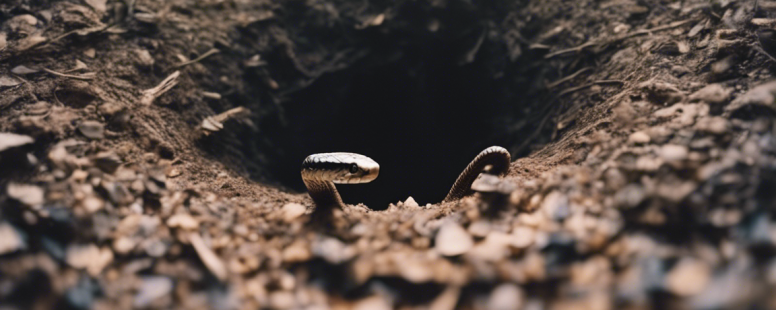
Ultimate Guide: Get Rid of Snake Holes and Prevent Return
Discovering snake holes in your yard can be unsettling, to say the least. It’s crucial to address this situation promptly, not only to protect your family and pets but also to maintain the integrity of your outdoor space. Understanding the right steps to take can make all the difference in safely and effectively getting rid of these unwanted guests.
The quick answer? It’s all about modifying their habitat and using safe, humane methods to encourage them to move on. Stick around to learn the best strategies for dealing with snake holes, ensuring your yard remains a safe and enjoyable place for everyone.
Assess the Situation
When you’ve stumbled upon snake holes in your yard, it’s understandable to feel a mix of emotions: concern, curiosity, maybe even a touch of fear. Before launching into action, but, it’s crucial to assess the situation thoroughly. This process not only helps you understand what you’re dealing with but also guides you in choosing the most effective, humane methods to encourage these slithering visitors to find a new home.
Identify the Type of Snake
Start by trying to identify the type of snake that has taken up residence in your yard. Some snakes prefer loose, sandy soil for burrowing, whereas others might be using holes created by other animals. Remember, not all snakes are harmful. In fact, many are beneficial, keeping pest populations in check.
Inspect the Holes
Analyze the size and shape of the holes. Snake holes are typically round and range in size, but they can also be irregular depending on the soil type and the snake’s size. Look for shed skins or track marks near the entrance to gather more clues about your unexpected guests.
Consider Environmental Factors
Evaluate your yard’s environment. Snakes are attracted to areas that offer shelter, warmth, and food. Long grass, piles of leaves, or dense shrubbery provide perfect hideouts for snakes, while also attracting the rodents and insects they prey on.
Seek Professional Advice
If identifying the type of snake and assessing the environment feels beyond your expertise, don’t hesitate to seek professional help. Wildlife experts or local extension services can offer invaluable advice and, if necessary, safe removal services.
Understanding the situation is your first step in peacefully coexisting with or removing the snakes from your yard. Remember, reacting in haste can lead to harm—for both you and the snakes. Taking the time to assess the situation ensures you’re making informed decisions, leading to a safer outdoor space for everyone involved.
Identify the Snake Species
Before you dive headfirst into the world of snake hole eradication, it’s pivotal to know who you’re dealing with. Yes, that’s right, identifying the snake species lurking in your yard is step one to finding a solution. This isn’t only about safety; it’s about understanding the ecosystem you’re part of and responding appropriately.
First off, note that not all snakes are harmful to humans or even your yard. In fact, many are beneficial, preying on rodents and insects that could otherwise wreak havoc on your garden and outdoor spaces. But, it goes without saying that safety is paramount, especially in areas frequented by pets and children.
To identify the snake species, look for unique characteristics such as skin color, pattern, and the shape of the head. These features can give away a lot about a snake’s identity and whether it poses any danger. Don’t try to get too close, though; use a zoom lens on your camera or binoculars if you need a closer look.
Arming yourself with knowledge about the local snake population is invaluable. Your county extension office or local wildlife control agency can offer insights into the common snake species in your area. Also, numerous online resources and apps are dedicated to helping you identify wildlife, including snakes. Remember, the internet is your friend here, but use reputable sources to avoid misinformation.
Once you’ve identified the snake, research its habits and preferences. Some snakes prefer moist environments, while others might seek out dry, sandy areas. This information is crucial for the next steps, as altering your yard to make it less attractive to the specific snake species can be an effective strategy.
Understanding the snake species in your yard is not just about removal. It’s about coexisting with the natural world while ensuring the safety and enjoyment of your outdoor spaces. With the correct identification, you can tailor your approach, potentially avoiding the need for removal altogether.
Modify the Habitat
To effectively get rid of snake holes, modifying the habitat around your home is a key step. Snakes are drawn to certain environments for shelter, food, and breeding. By altering these conditions, you can make your yard less inviting to them.
Eliminate Food Sources
Snakes primarily feed on rodents, insects, and smaller animals. Reducing the population of these prey animals can discourage snakes from taking residence in your yard. Here are a few strategies to consider:
- Maintain a clean yard by regularly disposing of garbage and securing trash bins.
- Use rodent traps or hire a professional pest control service to manage rodent populations.
- Remove bird feeders or keep them far from the house as they can attract rodents, which in turn attract snakes.
Reduce Hiding Spots
Snakes seek shelter in dense vegetation, piles of debris, and other hidden spots where they can safely rest and hunt. Minimizing these hiding places can make your property less appealing:
- Keep grass trimmed and bushes well-pruned.
- Clear away piles of wood, rocks, and leaves.
- Fill in any gaps under sheds, porches, or decks where snakes might nest.
Limit Water Access
Like all creatures, snakes need water to survive. Eliminating sources of water can further discourage them from your property:
- Fix leaky faucets and hoses to prevent pooling water.
- Keep birdbaths and decorative ponds clean and as far from the house as possible.
- Ensure proper drainage in your yard to avoid standing water.
Use Natural Repellents
There are several natural substances known to repel snakes. While their effectiveness may vary, incorporating these can add an extra layer of defense to your snake deterrent strategy:
- Plant lemongrass, marigolds, or garlic around your property—these plants are believed to be unattractive to snakes.
- Spread cedar shavings along the perimeter of your yard. The strong scent is said to deter snakes.
By taking these steps to modify the habitat around your home, you’re not just addressing the immediate concern of snake holes but also implementing a long-term solution to prevent future invasions. Remember, it’s about creating an environment that’s less inviting to snakes while still respecting the natural ecosystem.
Seal the Holes
Discovering snake holes around your property can be unnerving, to say the least. These entrances to the underworld aren’t just unsightly; they’re invitations for slithering guests you most certainly didn’t invite. But don’t worry, sealing these holes is a critical step in reclaiming your space and peace of mind. Here’s how to do it effectively.
Identify and Assess
Before grabbing your tools, take a moment to assess the situation. Not all holes are snake holes, so identifying the true culprits is essential. Snake holes are typically circular, with smooth edges due to the snake’s body constantly rubbing against the dirt. If you’re uncertain, look for tracks or shed skins near the opening. Remember, safety first—avoid sticking your hand or feet near the holes to minimize risk.
Gather Your Materials
Sealing the holes requires specific materials to ensure they stay closed and deter future visitors. You’ll need:
- Soil or sand
- Gravel
- Wire mesh (hardware cloth is ideal)
- Water-resistant sealant (for more permanent solutions)
The Sealing Process
Start by filling the hole with soil or sand, compacting it as you go to eliminate any voids. For an added measure of security, overlaying the area with gravel can discourage digging. Snakes prefer the path of least resistance, and a gravel barrier is a fantastic deterrent.
Next, consider installing a layer of wire mesh. Cut it larger than the opening, bury it a few inches into the ground, and secure it with stakes. This step is particularly effective for larger openings and provides a physical barrier against snakes and other critters.
If you’re dealing with holes in or near structures (like your home’s foundation), applying a water-resistant sealant around the patched hole can further improve security. This ensures that not only are snakes kept out, but moisture and other small pests as well.
Regular Maintenance
After sealing the holes, regular inspection and maintenance of the area are critical. Monitor the sealed spots and surrounding area for signs of new activity. Sometimes, snakes are persistent or new ones may wander onto your property, looking for entry points. Immediate action upon noticing any disturbances can prevent a small problem from becoming a significant issue.
Monitor and Prevent
Once you’ve gone through the effort of sealing off snake holes, your job isn’t done there. To ensure your property remains snake-free, it’s essential to continuously monitor these areas and take preventive measures to deter snakes from coming back. This stage is all about vigilance and taking proactive steps to maintain a secure environment.
Regular Inspection
Setting up a routine for inspecting your property is crucial. Look for signs of new snake holes or potential breaches in the sealed areas. Even the smallest opening can be an invitation for snakes. It’s not just about the ground; check walls, embankments, and even foundations for cracks or holes.
World Management
Your landscaping choices can significantly impact your property’s attractiveness to snakes. By implementing a few smart strategies, you can make your yard less appealing:
- Keep Grass Short and Yard Tidy: Tall grass and clutter offer perfect hiding spots for snakes. Regularly mowing your lawn and removing debris can discourage them from settling.
- Trim Bushes and Trees: Overgrown vegetation can provide shelter and hunting grounds for snakes. Keeping bushes and trees well-trimmed reduces these comforts.
Using Natural Repellents
While chemical repellents are available, many homeowners prefer natural options. Certain plants like marigold, lemongrass, and garlic are known to deter snakes due to their strong scents. Planting them around your property’s perimeter can act as a natural barrier.
Stay on Top of Rodent Control
Since rodents are a primary food source for many snake species, effectively controlling rat and mouse populations can reduce the likelihood of snakes venturing onto your property. Regular pest control, sealing food sources, and eliminating water sources can all help keep rodents—and so snakes—at bay.
Encourage Natural Predators
Certain bird species, like hawks and owls, are natural predators of snakes. Installing nesting boxes to attract these birds can provide an environmentally friendly way to control snake populations. Also, guinea fowls are known for their ability to eat snakes and might be a viable option for larger properties or rural areas.
Maintaining a snake-free environment requires ongoing effort. By staying vigilant, regularly inspecting your property, and implementing preventative measures, you can significantly reduce the chances of snakes making a comeback. Remember, it’s about balance and creating an environment that’s less inviting to snakes without disrupting the local ecosystem.
Conclusion
Getting rid of snake holes is just the beginning of ensuring your property remains snake-free. Remember, it’s an ongoing process that demands your attention and effort. By regularly inspecting for new holes, employing landscaping tactics, and using natural repellents, you’re taking significant steps toward maintaining a snake-free zone. Also, controlling rodent populations and encouraging the presence of natural predators are key strategies in your arsenal. Keep in mind, achieving a balanced ecosystem is crucial for long-term success. Stay vigilant, and you’ll create a safer, more enjoyable outdoor space for everyone.

- How Much Does a Riding Lawn Mower Weigh? - January 9, 2026
- Can You Park Cars in Your Backyard? - January 3, 2026
- Understanding Drone Overflights and Privacy Concerns - January 3, 2026


