How to Stop Icicles From Forming on Your Roof
Icicles on the edge of a roof may appear charming against a winter backdrop, yet their presence often signals underlying issues that necessitate attention. Not only can icicles pose risks to safety and property, but preventing their formation also requires understanding the root causes and implementing proactive measures. In this guide, we will explore why icicles form, the dangers they pose, and practical solutions to mitigate their effects, ensuring your roof’s integrity and your household’s security during the colder months.
Understanding Why Icicles Form
Icicles result from specific environmental and structural factors affecting the roof’s temperature dynamics and insulation.
Impact of Poor Insulation
When your attic lacks sufficient insulation, heat escapes from your home, warming the roof’s surface and causing snow to melt prematurely. As this meltwater runs to the cooler roof edges, it refreezes, forming icicles.
Role of Ventilation in Roof Temperature Regulation
Proper ventilation ensures a uniform roof temperature, reducing the risk of uneven snow melting. Without adequate airflow, heat from inside the home can collect, leading to the same melting-and-refreezing cycle.
The Risks Associated With Icicle Formation
Beyond aesthetic concerns, icicles pose significant hazards to both individuals and property.
Potential Damage to Your Home
Icicle formation can lead to ice dams, which prevent normal water runoff, potentially causing leaks or roof damage. Prolonged exposure may also degrade roof components over time.
Safety Concerns for Individuals
Icicles, especially larger ones, present a falling hazard that can cause injuries to passersby or damage vehicles parked below. Also, they create slick surfaces, increasing the likelihood of slips and falls.
Preventative Measures to Avoid Icicle Formation
Preventing icicle formation requires addressing the underlying causes through proactive strategies.
Enhancing Attic Insulation
Increasing insulation in your attic reduces heat loss, maintaining the roof’s temperature closer to the outdoor ambient range, thereby minimizing snow melting.
Improving Roof Ventilation
Properly maintained and designed roof ventilation allows warmer air to escape, keeping your roof evenly cool.
Installing Ice and Water Shield Systems
These systems act as a barrier, preventing snowmelt from seeping beneath roof shingles and refreezing, thereby mitigating ice dams and icicles.
Maintaining Your Roof During Winter
Routine maintenance ensures your roof remains in optimal condition throughout winter.
Clearing Snow Accumulation
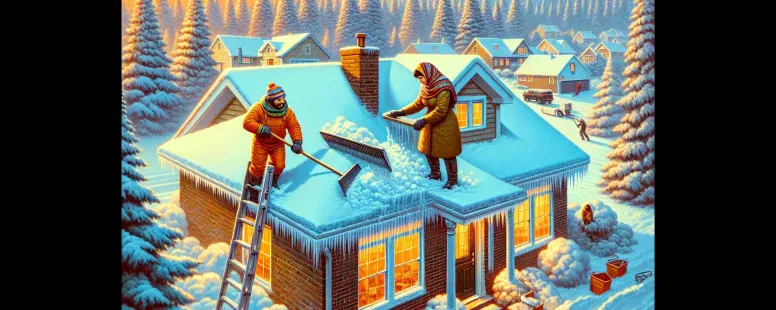
Removing excess snow from your roof promptly can prevent ice buildup while reducing weight stress on the structure.
Inspecting Roof Gutters and Downspouts
Ensuring gutters are free of debris and allowing proper runoff can prevent water from freezing at roof edges, reducing icicle formation likelihood.
When to Seek Professional Assistance
Certain scenarios necessitate expertise in handling roof maintenance.
Situations Requiring Expert Intervention
If ice damming or leakages occur even though preventative measures, professional assessment and repair are recommended to safeguard your roof’s health.
Selecting a Qualified Roofing Contractor
When choosing a contractor, prioritize those with certifications, experience, and positive client reviews to ensure quality service and reliable solutions.
- How Much Does a Riding Lawn Mower Weigh? - January 9, 2026
- Can You Park Cars in Your Backyard? - January 3, 2026
- Understanding Drone Overflights and Privacy Concerns - January 3, 2026