Prevent Icicle Formation: Effective Ways to Protect Your Roof this Winter
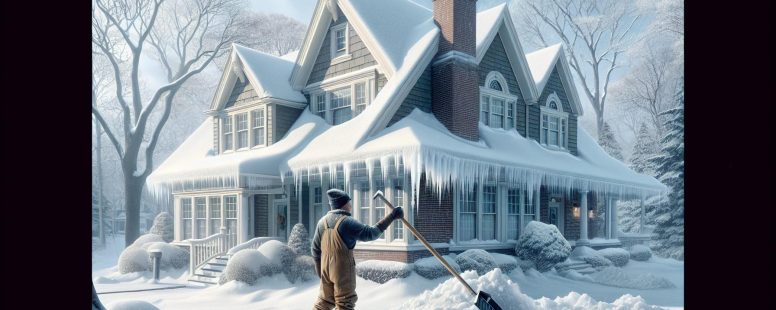
Winter’s beauty often comes with a chilly side effect – icicles dangling from your roof. While they might create an idyllic winter scene, these icy formations can lead to serious damage if left unchecked. But how do you stop them from forming in the first place?
Understanding Icicles Formation on Your Roof
Icicles hanging from your roof’s edges might look charming, but they represent a significant issue. Let’s investigate into the science behind their formation and understand how they can damage roofs.
Science Behind Icicle Formation
An icicle forms when snow or ice melts off your rooftop due to heat loss, only to refreeze as it drips down. As water freezes, it releases latent heat that helps keep some of the drip liquid even in sub-zero temperatures; this causes more freezing at the base and creates an elongated shape – you’ve got yourself an icicle!
Here is a simple illustration:
| Step | Action |
|---|---|
| 1. | Snow/ice on roof starts melting due to heat escaping from house |
| 2. | Melted snow (water) trickles towards edge of roof |
| 3. | Cold air temperature outside re-freezes melted water forming an icicle |
This process becomes increasingly pronounced with poor insulation or ventilation within attics causing excess warm air accumulation near rooftops.
Consequences of Icicles on Roofs
While aesthetically pleasing, these icy formations pose considerable risks for both property and people. For starters, weighty clusters could strain gutters and roofing materials leading potentially to costly repairs if ignored over time.
Let’s list out few major consequences:
- Heavy load: Large volumes cause undue stress onto eaves
- Damage potential: Falling shards present hazards below
- Property harm: Weight pulls down guttering systems,
resulting in extensive repair costs - Structural impairment: Water seepage through attic insulation may lead
dry rotting wooden frames or mold growth inside walls
Remember prevention outweighs cure always! Implementing measures like proper attic ventilation ensures less melt-off which eventually leads fewer problems associated with winter icing.
The Importance of Proper Insulation
Beneath the sparkling beauty of icicles lurks a potential threat to your home. Unchecked, these icy stalactites can strain your roof and gutters, cause property damage, or even pose a risk from falling ice. Yet they are not inevitable; there’s an effective solution in proper insulation.
Insulation and Icicle Prevention
A well-insulated attic acts as a barrier against heat loss that contributes to icicle formation on rooftops. It reduces the melt-off by minimizing warm air escape through the roof during winter months when snow accumulates outside.
When snow-covered roofs meet with escaping indoor heat due to poor insulation, it results in rooftop melting even though cold outdoor temperatures. This melted water runs off along eaves only for refreezing into what we recognize as problematic icicles.
By improving attic insulation standards at homes around frost-prone areas, one counters this phenomenon effectively — fewer instances of heated attics lead directly to less accumulated ice on rooftops.
How To Properly Insulate Your Attic
It all starts by identifying weak points where warmth may be seeping out: gaps near pipes or chimneys perhaps? A thorough inspection identifies such issues which then need rectification using suitable insulating materials like fiberglass batts or cellulose loose-fill – depending upon unique structural characteristics specific per individual houses encountered during assessment rounds conducted prior installation commencement dates decided accordingly based prevailing local weather conditions typically noted across average year-round climatic patterns prevalent within given geographical regions respectively.
Insulating between rafters is another critical step – both ceiling joists and floor ones need attention here since adequately covering them up ensures no area remains exposed thereby helping maintain overall thermal consistency throughout interiors so reducing energy consumption levels significantly over time resulting lower utility bills besides obviously preventing any unwelcome wintery visitors taking form beautiful but potentially damaging nature-made sculptures hanging precariously above heads unsuspecting passersby.
Ventilation Systems to Prevent Icicle Formation
Ventilation systems play a pivotal role in preventing icicles from forming on your roof. These system’s primary function lies in maintaining an optimal temperature within the attic, minimizing heat loss and mitigating melting of snow or ice on rooftops.
The Role of Roof Vents
Roof vents serve as crucial components for maintaining thermal balance inside your home. They help air circulation, so ensuring that no warm pockets form inside the attic which could cause rooftop snowmelt – a prime factor contributing to icicle formation.
For instance, ridge vents installed along the peak allow hot air to escape while soffit vents located under eaves draw cooler air into attics. This dynamic process assists in keeping temperatures consistent throughout roofs reducing chances of any unwanted thawing-freezing cycles leading to pesky icicles hanging off edges!
Also, these ventilation units also help keep moisture levels low; high humidity can deteriorate roofing materials over time and create conducive conditions for mold growth – both scenarios undesirable homeowners want avoid at all costs.
- Install Adequate Number Of Vents: A properly ventilated roof generally requires 1 square foot vent space per every 300 square feet floor area if insulation is used between rafters; it changes proportionately with varying sizes spaces.
- Maintain Cleanliness: Regular maintenance including clearing debris ensures uninterrupted airflow through existing openings avoiding accumulation trapped heated interior areas later causing potential damages due winter elements such frost build-up resulting problematic drippage situations later periods cold season strikes!
- Seek Professional Assistance If Necessary: While minor adjustments might be doable yourself larger projects like installing new fixtures typically demand expert hands ensure effective execution reduce risk mishaps associated incorrect installation practices jeopardizing safety measures place protect property well-being inhabitants structure alike during extreme weather phenomena occur given regions various times year especially harsh winters heavy snowfall common occurrence.
Correcting Heat Loss with Roof Heat Cables
To tackle the persistent issue of icicles forming on your roof, another effective solution is using roof heat cables. This strategy focuses specifically on minimizing freeze-thaw cycles which lead to those icy invaders.
How Roof Heat Cables Work
Roof heat cables play a crucial role in preventing ice dam and icicle formation. They’re essentially heating elements that you install along the edge of your roof and gutters, creating warm pathways for melted snow or ice to flow down instead of refreezing into problematic icicles.
The working principle behind these heated wires is quite simple: they generate enough warmth to melt any frozen water without causing harm to roofing materials or posing a fire risk. By maintaining this continuous melting process, they effectively prevent both stationary and falling hazards caused by heavy accumulations of ice during winter months.
Consider it like this; imagine each strand as an individual guard keeping watch over the edges of your home’s defense system against chilly winters!
For example:
| Function | Description |
|---|---|
| Melt Frozen Water | Warmth generated melts accumulated snow/ice |
| Prevent Refreezing | Continuous melting stops new formations |
| Reduce Hazardous Ice Accumulation | Minimizes chances for property damage |
Installing and Using Roof Heat Cables Safely
While installing roof heat cables might seem straightforward initially, there are several factors involved ensuring their safe operation year-round.
Firstly, measure accurately! It’s critical not only for determining how many meters (or feet) worth cable you’ll require but also where exactly placement would be most beneficial – typically at eaves points susceptible accumulation build-up due weather patterns architectural design features such valleys dormers chimneys
Secondly ensure good power supply nearby because although efficient terms energy usage do consume electricity hence important consider availability outlets proximity place installation Also remember never connect multiple units single outlet overload circuits potentially leading electrical fires
Finally remember switch on your roof heat cables when weather forecasts predict snowfall, turning them off again once the risk has passed. This way you’re not wasting electricity during times of no potential icicle formation.
Regular Roof Maintenance to Mitigate Icicle Problems
To combat icicles’ relentless siege, regular roof maintenance plays a crucial role. This section explores two key areas: gutter cleaning and periodic roof inspection.
Gutter Cleaning and Maintenance
Gutters aren’t just for decoration; they serve an important function in controlling the flow of rainwater off your roof. When snow melts on your warm attic ceiling, it drains into gutters that can become clogged with debris such as leaves or twigs over time. Blocked gutters inhibit proper drainage of water which then freezes into ice dams, providing perfect conditions for icicle formation.
Keeping those gutters clean involves regular removal of obstructions to ensure free-flowing melt-off away from the house structure during winter months. Gutters also require examination for signs of wear like holes or cracks where melted snow might escape and refreeze – forming pesky icicles along their length.
Perform these checks at least twice yearly — before winter sets in (preferably late fall) when most tree shedding occurs, again after winter’s end – ensuring readiness against any future icy onslaughts!
Conclusion
You’ve learned that icicles aren’t just winter’s decoration, they’re a sign of heat loss from your home. By investing in proper attic insulation and ventilation systems, you can combat this issue head-on. Remember to target weak points where warmth might be escaping with suitable insulating materials like fiberglass batts or cellulose loose-fill.
Keep the temperature optimal within your attic by maintaining roof vents clean for air circulation – ridge and soffit vents are ideal choices here. Roof heat cables too offer an effective solution when installed along the edges of roofs and gutters as these heating elements create warm pathways for melting snow.
And don’t forget about regular maintenance! Regular gutter cleaning coupled with periodic roof inspections will ensure any potential issues are addressed promptly before they escalate into larger problems leading to significant damage during winters. Winter is indeed beautiful but let it remain picturesque without causing havoc on your rooftops!

- How Much Does a Riding Lawn Mower Weigh? - January 9, 2026
- Can You Park Cars in Your Backyard? - January 3, 2026
- Understanding Drone Overflights and Privacy Concerns - January 3, 2026