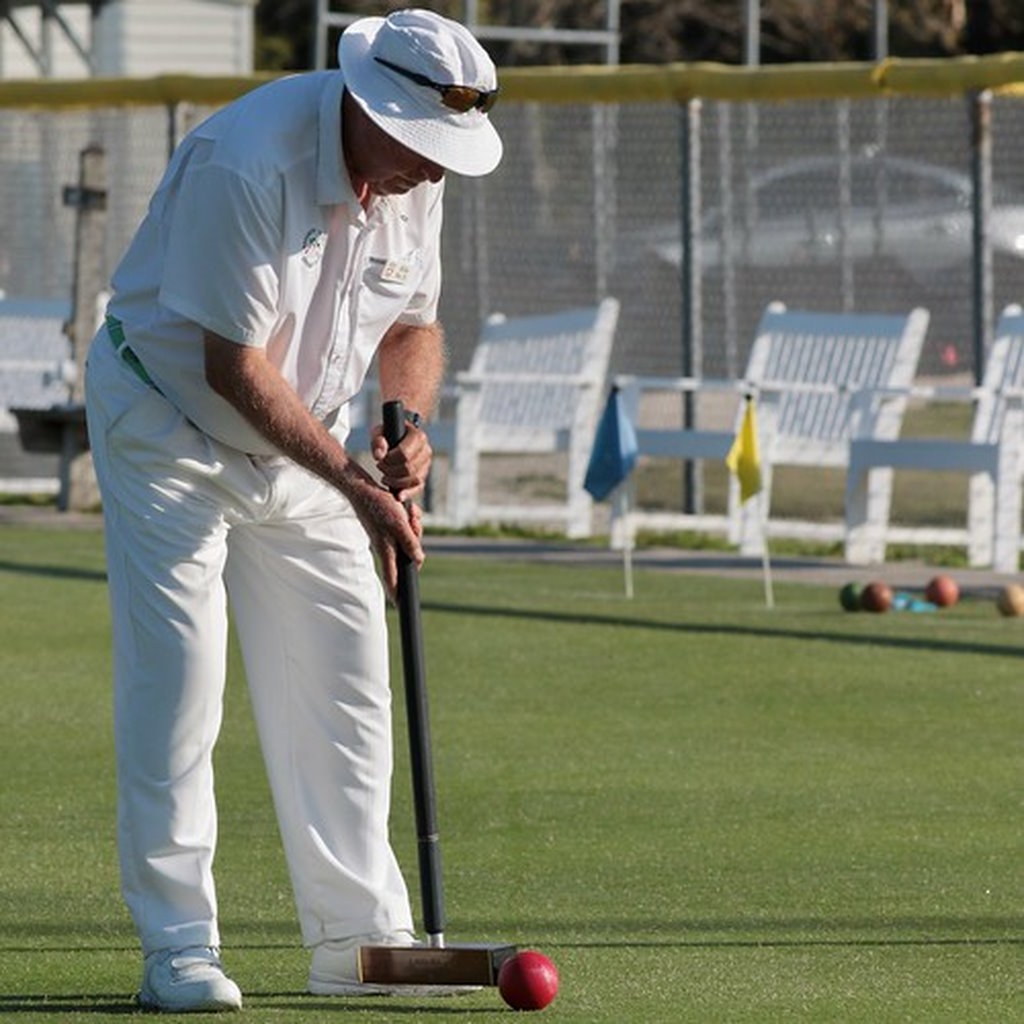
Setting Up Croquet in Small Backyards: Tips for Fun & Functional Outdoor Play Spaces
Picture turning your modest backyard into a vibrant playground where strategy meets sunshine. Setting up croquet in small spaces lets you enjoy a timeless game without needing acres of land. It’s not just about the game—it’s about creating moments filled with laughter, friendly competition, and fresh air.
You might think croquet demands sprawling lawns, but with a bit of creativity, your cozy yard can become the perfect arena. The surprising part? This setup boosts your outdoor living space and invites social gatherings, all while fitting neatly into your limited square footage. Ready to transform your small backyard into a croquet haven? Let’s jump into how you can make it happen effortlessly.
Benefits of Setting Up Croquet in Small Backyards
Setting up croquet in your small backyard brings a range of benefits that enhance your outdoor experience. From physical activity to social engagement, croquet fits seamlessly into limited spaces while enriching your lifestyle.
Enhances Outdoor Activity
Croquet invites you to move, stretch, and focus, transforming your outdoor area into an active zone. Unlike high-impact sports, croquet combines gentle walking with precision striking, making it perfect if you’ve limited space but want consistent physical activity. Studies by the American Heart Association show mild to moderate exercise improves cardiovascular health, which croquet provides without the need for extensive equipment or expensive memberships. Picture exchanging hours on a screen with rounds of croquet that engage your muscles and sharpen your coordination. When was the last time you enjoyed such laid-back movement right outside your door?
Promotes Social Interaction
Croquet’s nature encourages gathering and conversation, making it a social catalyst within tight quarters. You can host small groups—families, neighbors, or friends—turning your backyard into an inviting social hub. Unlike loud, competitive games, croquet’s relaxed pace fosters storytelling, laughter, and lighthearted competition. A real-life example: a neighborhood in Seattle transformed their small shared spaces by organizing weekly croquet evenings, which sparked new friendships and community spirit. Without large crowds or noisy distractions, you’ll find quality time and meaningful connections right at home.
Fits Well in Limited Spaces
Croquet suits small backyards because it adapts easily to constrained dimensions without losing its appeal. Courses require around 35 by 28 feet to play traditional games, but modified versions work well in spaces as short as 20 feet long. This flexibility means your cozy lawn, patio, or even a section of garden can become a functional croquet court. Also, portable hoops and lightweight mallets simplify setup and takedown. Don’t let your limited square footage deter you; instead, embrace croquet’s minimalist spatial demands and maximize every inch for enjoyment.
| Benefit | Description | Example/Source |
|---|---|---|
| Enhances Outdoor Activity | Gentle exercise improves health | American Heart Association, 2023 |
| Promotes Social Interaction | Encourages social bonding in small groups | Seattle neighborhood social gatherings |
| Fits Well in Limited Spaces | Adaptable setups for yards as small as 20 ft long | Standard and modified croquet dimensions guide |
When you choose croquet, you choose a versatile, inclusive way to engage with your outdoor space that enriches your body, mind, and social world. Have you considered how making room for croquet could redefine your use of space and time outdoors? Try setting it up today and experience the renewed joy in your small backyard.
Planning Your Croquet Setup
Setting up croquet in your small backyard demands careful planning to maximize fun without overcrowding. Combine precise measurements and smart equipment choices to craft a space where every shot counts.
Measuring and Marking Your Space
Start by measuring your backyard to identify the largest flat area available. Use a tape measure to mark length and width, keeping in mind that standard croquet courts require about 60 by 90 feet, but smaller courts can fit in areas as little as 20 by 40 feet. Mark the boundaries with spray paint, garden stakes, or string — these will serve as your court’s framework. Consider obstacles like trees, shrubs, or garden furniture; position the court to avoid these to allow seamless play. If your yard isn’t perfectly rectangular, create a custom layout that adapts to the shape while preserving playability. For example, you might draw a curved boundary along a garden bed, turning a limitation into a unique challenge that sparks player interest. Want to make it more challenging? Adjust wicket spacing to fit the area but maintain at least 3 to 4 feet between wickets for meaningful shots, according to croquet sport guidelines.
Choosing the Right Equipment for Small Areas
Opt for compact, lightweight croquet sets designed for limited spaces. Mini croquet mallets, smaller than the standard 36 inches, grant better control in tight quarters. Choose balls made from durable plastic or composite materials with bright colors for visibility against grass or deck surfaces. Folding wickets and stakes make setup and storage easier without sacrificing durability. Consider ball materials crafted to reduce bounce, such as rubber-coated balls; they prevent erratic rolls on uneven or hard surfaces often found in small yards. Brands like Jaques or GoSports offer sets tailored for backyard play that balances portability with quality. Question the need to buy full-sized equipment if space restricts movement — smaller gear enhances gameplay by fitting snugly within confined yards and reducing the chance of damage to property or landscaping. A friend of mine converted a 25×30 foot urban backyard by using a compact croquet set, keeping their social events lively and competitive even though space constraints.
By combining exact measurements and clever gear choices, you unlock croquet’s full potential in your cozy backyard, transforming it into a lively playground that encourages exercise, strategy, and friendly competition.
Tips for Designing a Croquet Lawn in a Small Backyard
Designing a croquet lawn in a small backyard requires careful decisions to maximize fun and playability. You can transform limited space into an inviting game area by choosing the right ground cover, optimizing the layout, and planning smart storage.
Selecting Suitable Ground Cover
Choosing optimal ground cover sets the stage for an enjoyable croquet experience. Grass types like Bermuda or Zoysia tolerate foot traffic and provide smooth surfaces essential for consistent ball roll. Alternatively, artificial turf assures year-round playability, especially if your yard has shady spots or poor soil. For example, one homeowner in Austin replaced patchy lawn with synthetic grass, resulting in a low-maintenance and reliable court that remained pristine regardless of weather. Questions to ask yourself include: Is your soil firm enough to prevent uneven ball bounces? Are drainage conditions suitable to avoid puddling? Ensuring these factors align prevents gameplay interruptions and preserves equipment. Avoid gravel or rough surfaces, as they can damage balls and mallets.
Optimizing Layout for Playability
Crafting an effective layout is key when space is tight. A regulation croquet court spans 105 by 84 feet, but scaled-down versions fit comfortably within 20 by 40 feet. Planning a rectangular or L-shaped court utilizes awkward corners and facilitates natural movement flow. Mark boundaries with subtle but visible indicators—low-profile guide stones or painted turf lines. Position wickets and stakes precisely, maintaining standard spacing ratios to sustain game integrity. If your yard includes landscaping or furniture, incorporate those as natural obstacles, adding strategic depth while keeping pathways clear. For example, a couple in Seattle aligned their croquet wickets around a small garden bed, turning their yard into a tactical playground without compromising greenery. Think about how players circulate to avoid cramped conditions that disrupt turns or cause accidents.
Incorporating Storage Solutions
Smart storage preserves the longevity of your croquet gear and keeps your small yard uncluttered. Use weatherproof boxes or custom cabinetry near court entrances for mallets, balls, and boundary markers. Vertical racks mounted on fences optimize limited wallspace, preventing damage and easing access. Some homeowners employ attractive bench seats with hidden compartments that double as resting spots and tool holders. Envision a compact storage chest blending seamlessly with your outdoor décor to maintain yard aesthetics. Ask yourself: How often do you intend to play? If frequent, quick access becomes more important than extensive storage. Proper containment saves time and keeps equipment in top condition, enhancing every game session.
By selecting durable ground cover, designing a smart layout, and integrating efficient storage, your small backyard morphs into a dynamic croquet setting. What creative ways can you discover to blend gameplay with outdoor living? How will these design choices enrich your next gathering or casual afternoon match? Your cozy croquet corner awaits its debut.
Maintenance and Care for Your Croquet Setup
Keeping your croquet setup in top condition ensures smooth gameplay and extends its lifespan in your small backyard. A little regular attention makes a big difference in preserving the quality of both your playing surface and equipment.
Lawn Care Basics
Maintaining the croquet lawn focuses primarily on keeping the grass even, dense, and resilient. You’ll find Bermuda and Zoysia grass hold up well under moderate foot traffic, thanks to their dense, low-growing nature. Mowing the lawn once or twice a week during the growing season keeps the grass height between 1 to 1.5 inches, providing a flat and consistent surface. Overseeding bare spots early in spring prevents patchiness that can alter ball roll. If your yard doesn’t support natural grass, artificial turf mimics level playability with less upkeep.
Water the lawn deeply but infrequently to encourage robust root systems that withstand compaction. Aerating your soil annually reduces thatch buildup and enhances water absorption. Notice how the ball slows or bounces unusually? That’s usually a sign you need to dethatch or reseed. Yet, avoid overwatering or the grass will soften, disrupting shot accuracy. Also, watch out for moss or weeds, which can impair ball movement while making your court unsightly. Use environmentally safe herbicides to control unwanted plants without damaging your lawn.
Storing Equipment in Limited Space
You’ll want a reliable storage solution to protect your croquet mallets, balls, wickets, and stakes from weather and clutter. Portable, weatherproof boxes with compartments keep everything organized and dry. If your backyard has limited floor space, vertical racks mounted on an exterior wall or inside a garden shed optimize storage without sacrificing accessibility. Some multifunctional furniture, like benches with built-in storage, serves dual purposes for play breaks and equipment safekeeping.
Labeling your equipment using color-coded tags or small icons speeds up game setup and cleanup, particularly if you have multiple players or kids. Avoid leaving wooden mallets exposed to rain; moisture can warp the wood, compromising balance and swing. Similarly, balls often lose their bounce if left under harsh sun or moisture conditions over time, so bring them indoors after playing. Consider a lightweight, rack-mounted cover that shields your gear from dirt and sun but still allows air circulation to prevent mold growth.
Regularly inspecting your equipment for damage or wear ensures consistent play quality and safety. Small cracks in mallet handles or chipped balls affect shot precision and may cause injury. Replace worn parts promptly or repair them if possible.
Performance depends just as much on how well you care for your lawn and gear as on your playing skill. How you maintain the setup influences every shot and elevates your backyard croquet games beyond casual fun into a cherished tradition shared with friends and family.
Conclusion
Setting up croquet in your small backyard opens up a world of fun and connection without demanding much space. With the right planning and equipment, you can create an inviting area that encourages activity and friendly competition.
By embracing your cozy outdoor space, you’re not just adding a game—you’re enhancing your lifestyle with a simple, enjoyable way to bring people together. Your small backyard can become the perfect spot for memorable moments and healthy play.

- How Much Does a Riding Lawn Mower Weigh? - January 9, 2026
- Can You Park Cars in Your Backyard? - January 3, 2026
- Understanding Drone Overflights and Privacy Concerns - January 3, 2026