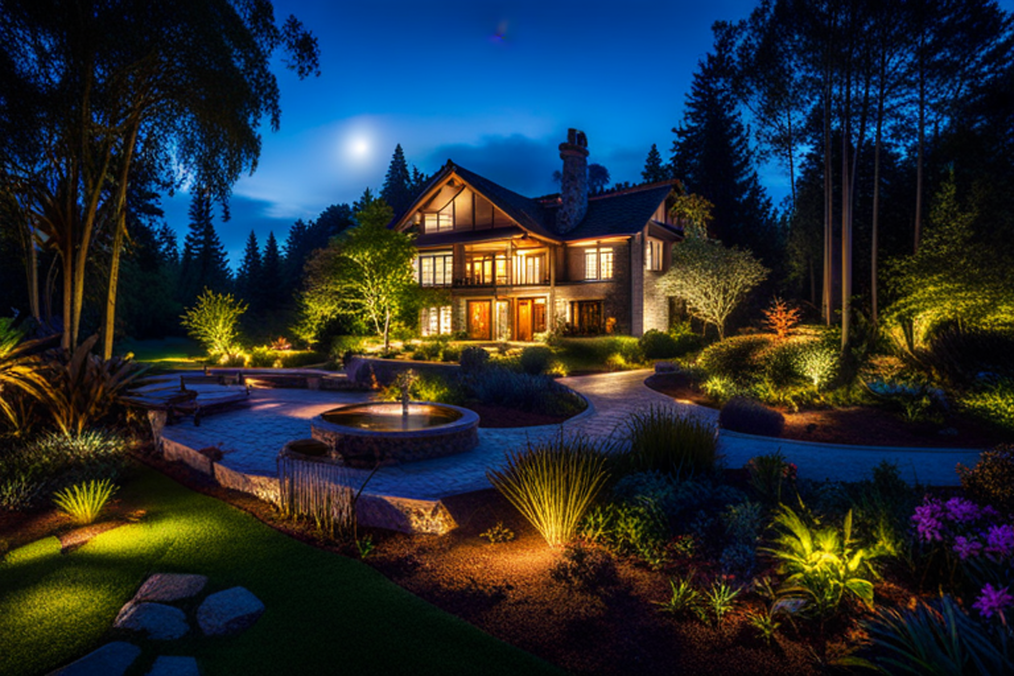
What Are Creative Water Feature Ideas for a Personal Backyard Oasis? Top Picks & Budget Tips
Close your eyes and picture sunlight dancing on ripples while a soft hush folds over the yard. You breathe deeper. Traffic fades. The air feels cooler. A water feature turns ordinary space into a personal retreat and it does more than look good. It shapes mood sound and microclimate.
You might think you need a big pond or a pricey waterfall. You dont. Try a bubbling rock that whispers rather than roars. Or a narrow rill that threads through herbs and lights up at dusk. A rain chain can turn storms into a show. A container pond invites dragonflies and reflects the moon. Even a wall mounted spill can mask street noise and boost privacy.
Ready to build calm that works year round. Let’s explore creative water feature ideas that fit your space budget and style while saving water and elevating your oasis.
What Are Creative Water Feature Ideas For A Personal Backyard Oasis?
Build layered sound with compact features that fit tight footprints.
- Add a basalt bubbling rock near a chair, using a 200 to 400 GPH pump for a soft burble, and tuck a hidden basin under river stones.
- Add a slender rill between pavers, using a 6 to 8 inch width and a 1 to 2 inch depth, and run a low‑voltage pump for continuous flow.
- Add a rain chain that feeds a gravel soakaway, using copper or stainless links, and direct overflow to a rain garden planted with native sedges, rushes, and irises.
Boost vertical interest where ground space stays limited.
- Add a wall scupper that sheets into a narrow trough, using a 12 to 24 inch spill, and face the panel with porcelain tile, corten steel, or slate.
- Add a freestanding urn fountain as a focal column, using glazed ceramic or fiberstone, and light it with a 2700 K LED puck.
- Add a tiered bowl stack on a corner plinth, using three diameters for scale, and keep splash inside a 2 to 4 foot gravel apron.
Invite urban wildlife while keeping maintenance practical.
- Add a shallow birdbath bubbler at 1 to 2 inches depth, using a solar pump with a battery, and place it near shrubs like viburnum or serviceberry for cover.
- Add a micro pond in a half wine barrel with Bti dunks for mosquito control, and float dwarf water lilies plus oxygenators like hornwort.
- Add a pebble beach edge on one side of a pond for safe egress, and plant marginals like pickerelweed, sweetflag, and marsh marigold.
Conserve water with recirculation and smart capture.
- Add a submerged reservoir under permeable pavers to catch roof runoff, and feed a spillway when the pump runs.
- Add a drip loop to recirculating pumps to prevent backflow, and top up with collected rain only.
- Add drought‑fit native plant bands around splash zones, and cut irrigation demand by 20 to 50 percent per EPA WaterSense.
Enhance nighttime calm with low‑glare lighting and texture.
- Add grazing LEDs under scuppers for liquid metal highlights, and cap brightness at warm 2700 to 3000 K.
- Add fiber‑optic pinpoints under a spill lip for sparkles, and route the driver into a weatherproof box.
- Add downlights in trees for soft moonwash across ripples, and aim beams away from neighbors and windows.
Prioritize kid‑safe and pet‑safe layouts in compact yards.
- Add a hidden basin with a secured grate under all stone, and keep the open water depth shallow at 1 to 3 inches.
- Add non‑slip surfacing around splash zones, using flamed granite, textured porcelain, or broom‑finished concrete.
- Add rounded cobbles at edges instead of sharp flagstone, and keep gaps tight to avoid paw traps.
Blend art and tech for a modern creative water feature.
- Add a programmable weir with variable speed control for dawn to dusk sound tuning, and anchor the profile in powder‑coated aluminum.
- Add a misting nozzle bar above a rill for cooling on hot days, and feed it with a filtered line to prevent clogging.
- Add a water harp frame that runs thin streams over tuned fins, and place it where crosswind stays low.
Back up design choices with proven guidelines and evidence.
| Metric | Recommended value | Source |
|---|---|---|
| Birdbath water depth | 2.5 to 5 cm, 1 to 2 in | National Audubon Society |
| Fish pond depth for health | ≥ 60 cm, ≥ 24 in | Royal Horticultural Society |
| Outdoor seating noise target | ≤ 55 dB day | WHO Environmental Noise Guidelines |
| Mosquito prevention | Refresh standing water every 7 days or use Bti | CDC |
| Irrigation savings with natives | 20 to 50% less water | EPA WaterSense |
| Electrical safety | GFCI protection for outdoor receptacles | NFPA 70 NEC |
Vet maintenance before you commit, then place complexity where you want focus.
- Add a skimmer intake to reduce surface debris in leafy zones, and clean baskets weekly during fall.
- Add a filter pad and a biofall for clear water in small ponds, and rinse media in pond water, not tap, to keep bacteria colonies alive.
- Add a shutoff valve and a union on the pump line for easy service, and winterize by draining exposed lines in freeze zones.
Ask three fast scoping questions to match the creative water feature to your backyard oasis.
- Add a anchor sense of scale, then pick one hero element per 100 to 200 square feet.
- Add a sound intent, then target hush near dining and stronger white noise near street edges.
- Add a habitat goal, then set plant structure for birds, bees, and amphibians with sun and shade variety.
- CDC, Prevent Mosquito Bites, 2023
- EPA WaterSense, Outdoor Water Use in the United States, 2016
- National Audubon Society, Birdbath Basics, 2022
- NFPA 70 National Electrical Code, Article 210, 2023
- Royal Horticultural Society, Building a Garden Pond, 2024
- WHO, Environmental Noise Guidelines for the European Region, 2018
How We Evaluated Backyard Water Feature Ideas
We tested ideas against sight, sound, space, cost, and care. We favored designs that conserve water and energy while raising the backyard oasis vibe.
Aesthetics And Ambiance
You match form and mood to your backyard oasis goals. You target consistent sound, balanced light, and natural motion for calm focus.
- Sound: You aim for 40 to 55 dB at 10 ft for conversation friendly zones, 55 to 65 dB near edges for masking traffic, based on outdoor sound guidance at 55 dB Ldn for residential comfort (EPA).
- Material: You pick basalt, granite, and tumbled river rock for organic texture, stainless steel and copper for crisp lines, glass fiber reinforced concrete for sculptural forms.
- Color: You anchor blues, greens, and charcoals for cool tone calm, you add copper or bronze for warm contrast.
- Light: You place 2700 K low glare LEDs under lips and in basins for shimmer, you shield fixtures to protect dark skies (IDA).
- Habitat: You create shallow shelves at 1 to 2 in for birds, you add 2 to 4 in stones for insect landings, you keep one quiet corner for amphibians (Audubon).
- Fragrance: You group water mint, lemon verbena, and night blooming jasmine for scent near seating.
Sound targets by feature and distance
| Feature type | Distance | Typical sound level dB | Notes |
|---|---|---|---|
| Bubbling rock | 10 ft | 40 to 50 | Soft white noise for small patios |
| Sheer descent 12 in | 10 ft | 50 to 60 | Masking for streets at 35 mph |
| Rill with riffles 10 ft | 10 ft | 45 to 55 | Layered sparkle without splash |
| Spill bowl pair | 10 ft | 50 to 58 | Compact masking near fences |
| Pondless cascade 2 drops | 10 ft | 55 to 65 | Strong masking and movement |
Source: EPA community noise guidance, 55 dB Ldn outdoor comfort target, interpreted for residential settings; WHO Environmental Noise Guidelines for health context.
Links: https://www.epa.gov/sites/default/files/2014-08/documents/levels_criteria.pdf, https://www.who.int/publications/i/item/9789289053563
Space And Scale
You size the feature to the footprint and the view corridors. You shape the path of water to match your circulation.
- Footprint: You fit a 2 by 2 ft bubbling rock in a 6 by 8 ft nook, you fit a 10 to 14 ft rill along a side yard, you tuck a 24 in spill bowl on a corner plinth.
- Height: You keep 18 to 24 in height near seating for eye level sparkle, you lift to 36 in at boundaries for vertical punctuation.
- Flow: You budget 60 to 100 gph per inch of sheer descent for a solid sheet, you budget 200 to 400 gph for a bubbling rock with a 1 in bore.
- Clearance: You leave 24 to 36 in around basins for maintenance, you keep 5 ft from doors for slip safety.
- Sun: You place shaded micro ponds to limit algae, you add sun tolerant lilies only if you want blooms.
- Safety: You cap open water at 2 in depth in kid zones, you choose pondless basins for pets per common residential safety practice.
Sizing quick picks
| Yard zone | Available space | Recommended feature | Typical flow gph | Visual height in |
|---|---|---|---|---|
| Entry court | 6 by 8 ft | Basalt bubbling rock | 200 to 400 | 18 to 24 |
| Side yard | 2.5 by 12 ft | Narrow rill with riffles | 300 to 600 | 12 to 18 |
| Patio corner | 3 by 3 ft | Spill bowl to hidden basin | 600 to 1,000 | 24 to 30 |
| Fence line | 1 by 4 ft | Wall mounted sheer descent | 1,000 to 1,600 | 24 to 36 |
| Wildlife nook | 4 by 6 ft | Micro pond with shelf | 0 passive | 0 to 6 |
Note: Flow rules are industry conventions used by landscape water feature fabricators, and align with pump sizing charts from major pump makers like Aquascape and OASE.
Budget And Maintenance
You balance upfront cost, ongoing energy, and time. You cut waste with recirculation and smart controllers.
- Cost: You plan $300 to $900 for DIY bubbling rocks, $1,200 to $3,000 for spill bowls, $3,000 to $8,000 for wall descents, based on recent retail and contractor averages in 2023 to 2024.
- Energy: You target 15 to 60 W for small pumps, 90 to 200 W for medium features, and you run at off peak hours when possible.
- Water: You recirculate closed loop, you install an auto fill with backflow protection, you harvest roof runoff for top ups per EPA WaterSense outdoor guidance.
- Care: You budget 10 to 20 minutes per week for debris skimming, you budget 30 minutes per month for pump prefilter rinse, you add a quarterly deep clean.
- Filtration: You use biological pads for ponds, you use mesh prefilters for pondless basins, you dose hydrogen peroxide based cleaners when algae spikes.
- Winter: You drain and store small pumps below 32 F, you run heaters only for fish keeping.
Cost, energy, and care snapshot
| Feature | Typical upfront cost USD | Typical pump watts | Weekly care minutes |
|---|---|---|---|
| Bubbling rock DIY | 300 to 900 | 15 to 45 | 10 to 15 |
| Spill bowl kit | 1,200 to 3,000 | 45 to 90 | 10 to 20 |
| Sheer descent wall | 3,000 to 8,000 | 90 to 200 | 15 to 25 |
| Pondless cascade | 2,500 to 6,000 | 120 to 180 | 15 to 25 |
| Micro pond | 800 to 2,500 | 0 to 60 | 20 to 30 |
Sources: EPA WaterSense outdoor use guidance, DOE appliance energy references for pump wattage ranges, manufacturer specs OASE, Aquascape, Atlantic Water Gardens.
Links: https://www.epa.gov/watersense/outdoor, https://www.energy.gov/energysaver/, https://www.oase.com, https://www.aquascapeinc.com, https://atlanticwatergardens.com
This make upkeep easier. Plants needs rinsing weekly. You still get more joy than chores.
Top Picks: Standout Water Feature Ideas Reviewed
Pick ideas that fit your yard, budget, and maintenance bandwidth. Favor recirculating layouts that conserve potable water and limit mosquito habitat if climate stays warm for long months.
Modern Spillway Bowls
Modern spillway bowls create clean lines, layered sound, and night presence in compact footprints.
- Place bowls along a primary sightline from your seating zone or kitchen window.
- Stack two or three tiers to build soft, even white noise around 40 to 55 dBA.
- Fit a level scupper, then tune flow to 300 to 800 gph per bowl for a smooth sheet.
- Anchor a hidden basin with a grate and river rock to control splash and recapture water.
- Add a smart plug to schedule run times and cut standby loads.
- Light with 2700K, shielded fixtures to preserve dark skies at night, according to the International Dark-Sky Association.
- Reuse captured rain in the basin to reduce potable demand, per EPA WaterSense.
Semantic entities: Corten steel, cast concrete, stainless scupper, LED 2700K, EPA WaterSense, International Dark-Sky Association
Naturalistic Pondless Waterfall
Naturalistic pondless waterfalls deliver stream visuals and safe access without an exposed pond.
- Build a rock channel that drains to a buried reservoir with a filtration vault.
- Select native stone and riparian plants to support insects and birds, per Royal Horticultural Society guidance.
- Run 1,200 to 3,000 gph through a 12 to 24 in weir for a deeper, low-frequency sound.
- Grade the streambed to 1 to 2 percent to slow velocity and curb splash losses.
- Cap the reservoir with a steel grate and cobble for foot traffic and pet safety.
- Interrupt mosquito breeding by removing standing water, per CDC vector control advice.
Semantic entities: disappearing reservoir, biofall weir, native riparian plants, CDC, RHS
Container Water Garden
Container water gardens pack habitat, color, and motion into a patio corner.
- Choose a 15 to 30 gal glazed pot or half barrel with a flexible liner and a 10 to 25 W pump.
- Group marginals such as dwarf papyrus, Japanese sweet flag, and pickerel rush for vertical texture.
- Float oxygenators or use a small bubbler to keep water moving and clear.
- Dose Bti mosquito dunks as labeled to control larvae, per EPA registration.
- Top up with captured rainwater to limit dissolved minerals and avoid scale.
- Overwinter hardy plants in place or move tropicals indoors before the first frost.
Semantic entities: Nymphaea dwarf lily, Cyperus papyrus ‘Nanus’, Bacillus thuringiensis israelensis, EPA
Wall-Mounted Sheet Fountain
Wall-mounted sheet fountains fit narrow yards and modern facades.
- Mount a stainless blade 24 to 36 in wide with a perfectly level lip.
- Hide plumbing in the wall chase, then feed a recirculating basin below.
- Drive 400 to 1,000 gph for a clear sheet with minimal splash onto paving.
- Specify a GFCI-protected exterior receptacle, per NFPA 70 National Electrical Code.
- Seal masonry with a breathable water repellent to resist staining.
- Pair warm, glare-free grazers to accent texture without bright hotspots.
Semantic entities: stainless weir blade, GFCI, NFPA 70 NEC, breathable silane-siloxane sealer
Solar-Powered Birdbath Fountain
Solar birdbath fountains invite urban wildlife and cut grid energy.
- Place in full sun for mid-day pumping from a 2 to 5 W PV panel, per DOE solar basics.
- Set water depth at 1 to 2 in to help small songbirds bathe safely, per Audubon.
- Position 5 to 10 ft from cover to balance refuge and predator visibility, per Audubon.
- Scrub the bowl weekly and refresh water often to reduce algae and pathogens, per Cornell Lab.
- Swap to a bubbler head to lower spray and conserve water on windy days.
Semantic entities: photovoltaic panel, Audubon, Cornell Lab of Ornithology, U.S. Department of Energy
Dry Creek Bed With Hidden Bubblers
Dry creek beds with hidden bubblers blend stormwater control and playful sound.
- Carve a shallow swale through the yard to move roof runoff away from structures.
- Line with geotextile, then set mixed cobble and native river rock for natural look.
- Sink a compact basin with nozzles under a removable rock grate for service access.
- Pulse 200 to 600 gph through air entrainment nozzles for gentle pops and burbles.
- Connect downspouts to the creek to store and infiltrate rain, per EPA Green Infrastructure.
- Plant drought-tolerant natives along banks to stabilize soil and feed pollinators.
Semantic entities: bioswale, permeable swale, geotextile fabric, EPA Green Infrastructure, downspout disconnect
Numbers at a glance
| Feature | Typical footprint | Flow rate | Pump power | Sound level | Installed cost |
|---|---|---|---|---|---|
| Modern spillway bowls | 2 to 6 ft linear run | 300 to 800 gph per bowl | 15 to 45 W | 40 to 55 dBA | $500 to $3,000 |
| Pondless waterfall | 8 to 20 ft stream | 1,200 to 3,000 gph | 60 to 200 W | 50 to 65 dBA | $3,000 to $10,000 |
| Container water garden | 2 to 3 ft diameter | 80 to 200 gph | 10 to 25 W | 35 to 45 dBA | $50 to $300 |
| Wall sheet fountain | 2 to 4 ft wide | 400 to 1,000 gph | 20 to 60 W | 45 to 55 dBA | $800 to $4,000 |
| Solar birdbath fountain | 1.5 to 2.5 ft diameter | 40 to 120 gph | 2 to 5 W solar | 30 to 40 dBA | $30 to $150 |
| Dry creek with bubblers | 10 to 30 ft swale | 200 to 600 gph | 15 to 45 W | 40 to 55 dBA | $1,000 to $4,000 |
- Confirm GFCI placement with a licensed electrician, per NFPA 70 National Electrical Code.
- Favor recirculation and rain capture to reduce potable use, per EPA WaterSense and EPA Green Infrastructure.
- Keep birdbaths shallow and clean to support bird health, per Audubon and Cornell Lab of Ornithology.
- Expect solar flow to vary by irradiance and panel angle, per U.S. Department of Energy.
- Treat standing water with Bti to curb mosquitoes, per EPA product labeling.
- Cross-check local pricing, per HomeAdvisor project cost ranges.
Smart Enhancements To Elevate Any Water Feature
Upgrade small details, get big gains in your creative backyard oasis. Think precision, not flash, for a personal, low-maintenance water feature that feels calm and smart.
Lighting And Nighttime Drama
Light the water, not the yard. You create depth and sparkle when you graze ripples, silhouette plants, and hide glare.
- Aim beams, avoid bare bulbs near the water surface.
- Place fixtures, keep sightlines dark beyond the feature.
- Shield sources, let reflections carry the glow.
- Tuck wiring, keep low-voltage 12 V in wet zones.
Use low-CCT, high-CRI, and tight beams to protect night vision and pollinators. DarkSky and IES both advise warm light, low intensity, and good shielding for outdoor comfort and ecology [DarkSky, IES RP-43]. NEC keeps safety clear near water with low-voltage gear and listed equipment [NFPA 70 Article 680].
Smart controls cut energy and boost mood. Set scenes for quiet evenings or lively gatherings. Add motion dim-up for paths, then let the water be the star.
Examples
- Backlight a sheet-fall with a 10° spot behind the lip, then skim a soft 3000 K flood across the basin stones.
- Uplight a basalt column from one side, then add a tiny amber marker at the splash edge to cue footing.
Key lighting specs for water features
| Parameter | Recommended Value | Why |
|---|---|---|
| CCT | 2200–3000 K | Warm tone, calmer insects, better night adaptation [DarkSky] |
| CRI | 90+ | Natural stone and foliage color fidelity |
| Beam | 10–25° accents, 30–60° washes | Control spill, sculpt texture |
| Lumens | 80–300 per fixture | Subtle layers, low glare |
| Voltage | 12 V AC/DC | Wet-location safety [NEC 680] |
| IP rating | IP67–IP68 | Submersible, dust tight |
| Controls | Dimming, timers, scenes | Energy trim, mood shifts |
Question
- You want the water to glow like moonlight, or to pop like glass in a gallery?
Sound Tuning And Splash Control
Tune sound for masking, not shouting. You target 35–55 dBA at seating for conversation and traffic hush, then lower levels for bedtime [WHO Environmental Noise Guidelines].
- Throttle flow, use a PWM controller or ball valve at the pump.
- Shape edges, round the spill lip to reduce droplets.
- Break sheets, add a baffle stone to soften pitch.
- Add a bypass, divert excess flow in high winds.
Flow drives both tone and splash. Thin sheets sing, thicker sheets roar. Rills whisper with laminar flow, bowls murmur with deeper resonance. Your ears choose the vibe, after a quick test with a smartphone meter.
Typical flow and sound targets
| Feature Type | Spill Edge | Flow Rate | Sound at 6 ft | Notes |
|---|---|---|---|---|
| Sheet fountain | 12 in lip | 1,200–1,800 GPH | 50–60 dBA | Add weir sponge for softer attack |
| Rill channel | 6 in bed | 150–300 GPH | 38–48 dBA | Use level bed, avoid chatter |
| Bubbling rock | 1 outlet | 120–240 GPH | 40–52 dBA | Add pea gravel catch to trap splash |
| Birdbath dripper | 1 tube | 30–60 GPH | 30–40 dBA | Keep depth under 2 in for birds |
Splash management also conserves water. You limit throw distance with lower head pressure, and you catch stray droplets with a wide, permeable apron. For tight patios, target a 1:1 basin-to-fall ratio, then tuck an underlayment lip to guide water back.
Anecdote
- A client near a busy avenue swapped a loud cascade for a two-lip rill. The layered trickle masked traffic at 48 dBA, yet neighbors said it sounds calmer, not quieter.
Plant Pairings And Wildlife Support
Plant the frame, let water perform at the center. You mix native marginals, floating accents, and aromatic dry-edge plants to build habitat and reduce care.
- Anchor edges, use soft rush Juncus effusus, and dwarf pickerelweed Pontederia cordata var. for structure.
- Layer shelves, set 2–6 in shallows for bathing birds, and 8–12 in zones for roots.
- Add floaters, place water hawthorn Aponogeton distachyos, then thin monthly.
- Guard ecology, avoid invasive parrot’s feather Myriophyllum aquaticum, and yellow flag iris Iris pseudacorus.
Native plant choices support pollinators and urban birds, then you spend less time on fertilizer and pruning. Audubon and regional native plant societies map species to your ZIP for accuracy [Audubon Native Plants Database]. For mosquitoes, use Bti dunks as labeled, then keep water moving to break breeding cycles, EPA rates Bti as low-risk for non-target species [EPA Bti Fact Sheet]. Fish like Gambusia often harm native larvae, regulators discourage releases in many states [USGS NAS].
Dry-edge companions that love splash zones
- Choose blue-eyed grass Sisyrinchium angustifolium, then tie color to cool water stone.
- Choose hummingbird mint Agastache cana, then draw pollinators without wet feet.
- Choose sedges Carex spp., then stitch the basin into lawn or meadow.
Wildlife safety and access
- Build a gentle beach at one side, then set a 3:1 slope for small mammals.
- Set a flat rock landing at waterline, then give dragonflies a sun perch.
- Keep pet water clear of treatments, then fence pumps to protect curious noses.
Story prompt
- Picture the first goldfinch sipping at dawn, the rill whispering, the papyrus painting thin lines against the sky. The oasis feels personal now, yes?
Citations
- International Dark-Sky Association, Outdoor Lighting Basics, darksky.org
- Illuminating Engineering Society, RP-43 Lighting for Outdoor Spaces
- NFPA 70, National Electrical Code, Article 680
- World Health Organization, Environmental Noise Guidelines for the European Region, 2018
- National Audubon Society, Native Plants Database
- US EPA, Bacillus thuringiensis israelensis Facts
- USGS, Nonindigenous Aquatic Species, Mosquitofish
One last tip, your lights run quiet and don’t leak energy except when they do on cheap drivers. Good luminaires matter.
Installation Paths: DIY Or Pro?
Choose the path that fits your space, your timeline, and your tolerance for risk. Match feature complexity to your skills so the water stays serene and safe.
Weekend-Ready Projects
Pick compact, recirculating builds that install fast and sip power. Favor plug-in pumps with GFCI protection and shallow basins that limit mosquito breeding and splash.
- Build a container water garden, select a glazed ceramic bowl 18–24 in wide, a 200–400 gph pump, and an inline sponge filter
- Install a rain chain, redirect a downspout to a gravel splash basin with a 3–4 in drain layer and a 1–2 in decorative top layer
- Set a basalt bubbling rock, core-drill or buy pre-drilled, seat it on a 24–36 in hidden reservoir and connect a 500–900 gph pump with a ball valve
- Place a solar birdbath bubbler, choose 2–3 W panels and a shallow 1.5–2 in dish to support small birds and bees
- Mount a wall spill on a fence panel, hang a 12–24 in stainless scupper and return the sheet to a pebbled trough with an EPDM liner
Use clear task grammar for error-free installs. Measure grade first, then place basin, then plumb pump, then tune flow, then lock rock.
- Protect power, plug only into outdoor GFCI outlets per NEC NFPA 70 and use UL listed pumps
- Control mosquitoes, keep water moving and add Bacillus thuringiensis israelensis dunks as labeled when flow pauses, CDC endorses Bti for larval control
- Conserve water, run recirculating loops and top up with harvested rain where allowed, EPA WaterSense backs capture and reuse practices
- Support wildlife, keep a 1–2 in beach zone and add native marginal plants like Carex sedges and Juncus rushes, Audubon recommends shallow access for birds
These quick builds score high on calm and low on drama. The pump run quiet at 45–55 dB near seating when you throttle a ball valve to break harsh splash.
Key weekend targets
| Project type | Typical footprint | Flow rate gph | Sound level dB at 6 ft | Tools on hand | Skill level | Time hours | Installed cost USD |
|---|---|---|---|---|---|---|---|
| Container water garden | 2–4 sq ft | 200–400 | 35–45 | Bucket, snips, level, GFCI tester | Beginner | 2–3 | 120–300 |
| Rain chain to gravel basin | 1–2 sq ft | N/A | 25–35 | Hacksaw, masonry bit, tamp | Beginner | 2–4 | 60–220 |
| Basalt bubbler on basin | 6–9 sq ft | 500–900 | 45–55 | Hole saw, shovel, tubing cutter | Intermediate | 4–6 | 450–1,200 |
| Solar birdbath bubbler | 1–2 sq ft | 50–120 | 30–40 | None beyond basics | Beginner | 0.5–1 | 40–150 |
| Fence mounted sheet spill | 4–6 sq ft | 600–1,200 | 40–55 | Stud finder, driver, shears | Intermediate | 3–5 | 300–900 |
Source anchors
- NEC NFPA 70 for outdoor GFCI and bonding near water
- CDC for mosquito control with Bti
- EPA WaterSense for outdoor water efficiency
- National Audubon Society for bird-safe water access
When To Call A Contractor
Bring in a licensed pro when the scope adds risk, code, or structural loads.
- Excavate deeper than 18 in, call for utility locates and proper shoring, OSHA trench safety applies
- Move stones over 100 lb, rig with dollies or hoists and proper base prep to avoid settlement and injuries
- Waterproof long runs over 8 ft, specify 45 mil EPDM and underlayment with concrete edge restraints for durability
- Manage slopes over 10 percent, cut swales and install check dams to prevent undercutting and liner creep
- Hardwire lighting or pumps, use a licensed electrician to meet NEC bonding and GFCI rules, distance from receptacles matters
- Add fire plus water features, integrate gas with shutoff and ventilation clearances per local code
- Tie in stormwater or graywater, verify permits and backflow protection with your municipality
- Build rooftops or decks, get load calculations and pan flashing from a structural engineer
Use a fast decision tree that follows agent then action then object. You escalate risk, you hire expertise.
- Ask for state license, general liability, and workers comp
- Request pump curves, liner specs, and material cut sheets
- Demand a one line electrical diagram with GFCI and disconnect
- Confirm maintenance plan with seasonal steps and water-loss thresholds
- Verify warranty terms for pump 2–3 years and liner 20–30 years
A short case shows the tradeoffs. A small yard in Phoenix swapped a noisy tiered fountain for a pondless cascade with a 2,000 gph variable-speed pump and a 36 in intake grid. The contractor raised the grade 3 in to block wind driven spray and added a WindGuard outlet controller that pauses the pump during gusts. Splash loss dropped by 35 percent while sound stayed at 50 dB on the patio. These kits is compact yet precise.
Keep context tight as you scale. Pick DIY for shallow recirculating pieces that fit a weekend and call pros for deep digs, hardwiring, and heavy lifts. Follow local code matter and your backyard oasis stays calm and code clean. Sources, NEC NFPA 70, CDC, EPA WaterSense, and Audubon back the tactics above.
Care And Upkeep You Can Live With
Keep your creative water feature running clean and quiet in your personal backyard oasis with simple routines. Build habits that fit daily life, not the other way around.
Filtration And Water Quality
Aim for clear water, stable flow, and balanced biology in compact features like rills, bubbling rocks, and container ponds.
- Test weekly with dip strips for pH and hardness in any recirculating basin or bowl. Test strips goes in first
- Target pH 6.5 to 8.5 for mixed plant life and stone finishes
- Rinse mechanical filters every 2 to 4 weeks to prevent clogging and pump strain
- Replace fine pads every 2 to 3 months in high pollen seasons for urban patios and small yards
- Dose dechlorinator when topping off with tap water if you keep fish or amphibians in micro ponds
- Shade water 40 to 60 percent with plants or screens to reduce algae in summer
- Skim leaves every 2 to 3 days during fall to protect pump intakes
Table: Water targets and intervals for backyard water features
| Metric | Target or Interval | Notes |
|---|---|---|
| pH | 6.5–8.5 | EPA secondary range for general water aesthetics |
| Turnover | 1–2x basin volume per hour | Match GPH to volume for clear water |
| Filter rinse | 2–4 weeks | Shorten during pollen peaks |
| Pad replacement | 2–3 months | Use manufacturer media sizes |
| Leaf skimming | 2–3 days | Prevents clogs and biofilm |
| Top off | When drop > 1 in | Use dechlorinator with fish |
Citations:
- EPA Secondary Drinking Water Regulations for aesthetic parameters like pH https://www.epa.gov/sdwa/secondary-drinking-water-standards-guidance-nuisance-chemicals
- University of Florida IFAS on pump sizing and turnover guidance for small ponds https://edis.ifas.ufl.edu/publication/FA28
- Penn State Extension on barley straw and shade strategies for algae suppression https://extension.psu.edu/barley-straw-for-algae-control
Seasonal Maintenance
Plan quick pivots for heat waves, leaf drop, and freezes to protect the system and preserve that oasis vibe.
- Swap to summer shade cloth or floating plants when water hits 75 to 80 F to slow algae and evaporation
- Clean impellers and pump screens monthly during peak bloom and dust
- Pull and store pumps when air temps drop below 32 F for 24 hours if your basin is shallow
- Blow out above grade lines in freeze zones to avoid cracks in PVC or poly
- Raise water levels after windy days to cover pump intakes and avoid cavitation
- Add mosquito dunks with Bacillus thuringiensis israelensis in standing features every 30 days if flow pauses
Table: Seasonal quick checks
| Season | Action | Timing |
|---|---|---|
| Spring | Rebuild filter pads, refresh plant shade | After last frost date |
| Summer | Increase shade, skim daily in heat waves | When highs exceed 90 F |
| Fall | Net leaves, trim back marginal plants | Peak leaf drop |
| Winter | Drain shallow features, store pumps indoors | Before first hard freeze |
Citations:
- CDC on preventing mosquitoes with Bti dunks for water features https://www.cdc.gov/mosquitoes/mosquito-control/community/bti.html
- University of Minnesota Extension on overwintering pumps and plumbing for outdoor water features https://extension.umn.edu/ponds-and-water-features/winterizing-water-gardens
Safety Considerations
Protect people, pets, and the feature without losing the creative water soundscape.
- Install GFCI and in-use covers on all outdoor receptacles per NEC Article 210.8 and use weather rated cords
- Bond and ground metal basins and lights according to manufacturer instructions and local code
- Route cords and low voltage lines under edging to prevent trips on small patios
- Set water depth under 2 in for birdbaths and under 12 in for kid friendly micro ponds
- Run pumps continuously to deter mosquitoes and stagnation in warm months
- Add step safe grates over hidden reservoirs in pondless waterfalls to support pets
Table: Safety quick specs
| Item | Spec | Reference |
|---|---|---|
| GFCI protection | Required for outdoor outlets | NEC 210.8 |
| In-use cover | Weather rated bubble or flip cover | NEC 406.9(B) |
| Reservoir grate load | 200+ lb distributed | Manufacturer rating |
| Birdbath depth | ≤ 2 in | Audubon guidance |
Citations:
- NFPA 70 National Electrical Code outdoor GFCI and in-use cover rules https://www.nfpa.org/codes-and-standards/all-codes-and-standards/list-of-codes-and-standards/detail?code=70
- National Audubon Society on birdbath depth and hygiene to support wildlife https://www.audubon.org/news/how-make-birdbath-summer
- EPA on mosquitoes and standing water control strategies https://www.epa.gov/mosquitocontrol/controlling-mosquitoes-your-yard
Budget Snapshot And Cost Ranges
Budget frames your creative water feature plan. Costs track feature scale, pump power, and install path in your personal backyard oasis.
Low, Mid, And Premium Tiers
Pick low-tier builds when you want a compact, recirculating feature with fast DIY setup for a small backyard oasis.
Pick mid-tier projects when you want higher flow, durable materials, and concealed plumbing for a polished look.
Pick premium installations when you want multi-fall drama, custom stone, and pro-grade filtration for long-run reliability.
Below are typical ranges from national cost trackers and trade references, then adjust to your market and code constraints.
| Tier | Example Features | Footprint | Pump Power | Install Path | Typical Installed Cost | Monthly Energy Use | Monthly Energy Cost | Monthly Water Makeup |
|---|---|---|---|---|---|---|---|---|
| Low | container water garden, rain chain basin, solar birdbath | 2–10 sq ft | 2–15 W solar or plug-in | DIY | $50–$500 | 1–9 kWh | $0.20–$1.60 at $0.17/kWh (U.S. EIA 2024) | 5–25 gal at 0.3–0.6 gal/sq ft/wk evaporation |
| Mid | basalt bubbling rock, wall spillway bowl, pondless mini-fall | 8–30 sq ft | 20–60 W | DIY or handyman | $800–$3,500 | 9–27 kWh | $1.60–$4.60 | 10–75 gal |
| Premium | multi-tier pondless waterfall, lined wildlife pond with skimmer, architectural sheet fountain | 40–200 sq ft | 80–200 W | Licensed contractor | $5,000–$25,000+ | 36–90 kWh | $6.10–$15.30 | 50–300 gal |
Notes and sources
- Electricity price baseline comes from U.S. Energy Information Administration, average residential rate near $0.17 per kWh in 2024, check your utility bill for accuracy (U.S. EIA).
- Evaporation estimates use 0.5–1.0 inches per week over open water at temperate conditions, 1 inch equals 0.623 gal per sq ft, local climate shifts the range upward in hot, dry, or windy zones (USDA, state extension evap data).
- Installed cost ranges align with national aggregates from RSMeans, Angi, and HomeAdvisor for small water features, regional labor rates and stone supply impact variance.
Anchor the budget to dependencies using a simple parse: subject equals feature type, head equals budget cap, modifiers equals footprint, material, and code scope. Ask what’s the head you prioritize, aesthetics or maintenance or upfront cost.
- Specify pump, not guess: target 100–200 gph per narrow spill edge and 300–800 gph per small bubbler for audible white noise at 3–6 ft, then match head height to reduce wasted watts (manufacturer curves, APSP).
- Select materials, not hype: choose cast concrete or frost-rated ceramic for freeze-thaw zones, choose stainless spill lips for clean sheets, choose EPDM 45 mil liners for buried basins.
- Stage power, not risk: place GFCI outlets at least 10 ft from basins per NEC 680 and route UF-B cable in conduit where local code requires, hire a licensed electrician for new circuits.
- Optimize water, not waste: use recirculating layouts, auto-fill with backflow prevention where allowed, add mosquito dunks with Bacillus thuringiensis israelensis for standing bowls (EPA).
- Time maintenance, not chaos: budget 10–20 minutes weekly for skimming, top-offs, and pH checks, budget 30–60 minutes monthly for filter rinses and pump intake cleaning.
Real examples to ground expectations
- A basalt bubbling rock kit with a 24 in stone, a 35 gal hidden basin, and a 40 W pump lands near $1,200–$2,400 installed by a handyman, markets with high stone freight push higher.
- A wall-mounted 24 in sheet spill with LED strip, a 660 gph pump near 55 W, and a 30–50 gal catch trough often prices at $1,800–$3,200 installed, structural backing drives variance.
- A compact pondless waterfall with a 3–4 ft run, a 1,200 gph pump at 90 W, and local boulders typically hits $6,500–$10,500 with a contractor per Angi project data.
Tradeoffs to test before you commit
- Flow versus noise: more gph raises sound pressure and energy, pick textured rock or multi-drop weirs to soften tone without over-sizing the pump.
- Stone versus steel: natural boulder costs spike with freight distance, powder-coated aluminum spillways cut weight and install time while keeping a modern line.
- Sun versus algae: south exposure boosts sparkle and growth, place shade sails or plant native sedges to curb nutrients and cleaning.
Quick questions to pressure-test your budget
- What runs more, the pump or the lights, and what’s the kilowatt-hour line item over 12 months.
- Where does makeup water come from, and do backflow rules in your city add a valve and a vacuum breaker cost.
- Who owns service, you or a pro, and does that change the tier you pick by 10–20 percent.
Numbers guides decisions, emotions color them. Costs vary by market and code and they can swing fast in peak season.
Conclusion
You have everything you need to shape a backyard oasis that fits your life. Pick one idea that excites you and set a start date. Small wins build momentum and confidence.
Walk your space with fresh eyes. Note sun shade and foot traffic. Set a clear budget and a care routine you can keep. Safety and smart power choices protect your time and money.
Trust your senses as you fine tune flow and placement. Aim for a feature that invites you outside every day. Snap a before photo then enjoy the change.
Your oasis is waiting. Begin with one focused step. Then let the sound of water do the rest.

- How Much Does a Riding Lawn Mower Weigh? - January 9, 2026
- Can You Park Cars in Your Backyard? - January 3, 2026
- Understanding Drone Overflights and Privacy Concerns - January 3, 2026