Bird Feeding Secrets: What Birds Eat Worms?
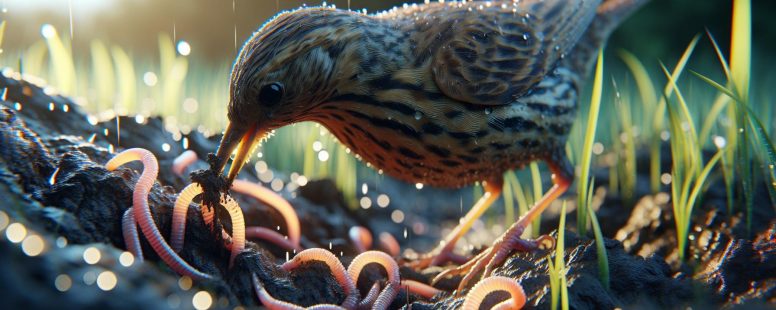
Ever wondered why those feathered friends in your backyard are always pecking at the ground? It’s simple: birds eat worms! These wriggly snacks are a staple in the diets of many bird species. From robins to starlings, worms provide essential nutrients that keep birds chirping happily.
But not all birds are worm connoisseurs. Some prefer their meals airborne or tucked away in trees. Diving into the world of birds and their worm-eating habits, you’ll discover who’s digging for dinner and why these creatures are so important for our ecosystem.
Why Birds Eat Worms
Birds turn to worms for several reasons, making these wriggly creatures a key part of their diet. First off, worms are nutrient-rich food sources that provide a high-energy snack for birds, especially important during breeding season and for growing chicks. They’re packed with protein, essential for muscle development, and offer other nutrients that help birds thrive.
Easy to Find, Easier to Eat
Imagine you’re a bird; worms are your go-to because they’re usually easy to dig up. After a rain, for example, worms come to the surface, becoming a readily available feast for birds. The soft body of a worm also makes it simple for birds to eat and digest, crucial when they need to feed quickly or support a fast metabolism.
Worms: A Stepping Stone in the Food Chain
In the grand scheme of things, worms play a vital role in maintaining ecological balance. They break down decomposing matter, releasing valuable nutrients back into the soil. This improves the health of the environment, which in turn supports a healthy population of insects and plants – the very things birds rely on for food.
Not Just Any Bird
The consumption of worms is often associated with early birds who catch them. However, it’s worth noting that not every bird is interested in these invertebrates. Species that feed on worms include:
- Thrushes
- Robins
- Wrens
- Blackbirds
On the other hand, you’ve got birds that are more into seeds, fruits, or other types of insects and might never touch a worm. The dietary habits of birds are as varied as the species themselves, showcasing the complexity and diversity of nature’s food web. Birds choose worms when they align with their nutritional needs, foraging skills, and the availability within their habitat.
Diversity of Worm-Eating Birds

Ever wonder which feathered friends are munching on worms as part of their daily diet? You might be surprised at the variety. While the early bird gets the worm may be a familiar phrase, it’s particularly true for a diverse group of birds that actively seek these invertebrates for sustenance.
Birds that favor worms come from various families and habitats. For instance, the ubiquitous American Robin is well-known for patrolling lawns for its next wiggly snack. On the other end of the spectrum, woodpeckers, despite their tree-banging fame, often forage on the ground for worms when wood-borne bugs are scarce.
Common Worm Predators
Let’s look closer at some of the birds that count worms among their favorite treats:
- American Robins: Easily spotted on suburban lawns, they’re famous for tugging earthworms out of the ground.
- Starlings: These birds are versatile eaters but won’t pass up the chance to feast on worms.
- Blackbirds: Often found in gardens and fields, blackbirds seek out worms, especially after rain.
- Crows and Ravens: Highly intelligent, these birds use their problem-solving skills to extract worms from deep within the soil.
- Woodcocks: These nocturnal hunters use their long beaks to probe for worms at night.
Woodland, grassland, and even aquatic environments boast bird species that find worms to be an excellent energy source. Whether it’s the shorebird with a penchant for marsh worms or the sparrow scratching at the earth in a meadow, these creatures rely on the rich protein and nutrients that worms provide.
Why Worms Are Preferred
The preference for worms among these birds comes down to availability and nutritional value. Worms are abundant and can be found worldwide in various climates and locales. Moreover, they require less energy to catch compared with other prey, making them an efficient food source for birds with demanding energy needs.
Birds have developed specialized behaviors and physical adaptations to hunt worms effectively. The beak shapes and feeding strategies are as varied as the species themselves, with each bird exploiting the worm buffet in a unique way. Whether it’s the sharp-eyed sight of the robin or the tactile sensation in the woodcock’s beak, birds are equipped to pinpoint their prey with precision.
Worm-Eating Adaptations

When you’re marveling at how effortlessly birds snack on worms, have you ever wondered how they’re so good at it? It’s not just luck; birds have evolved specific adaptations that make them pros at hunting and eating worms.
Beaks and Vision: The most obvious tools are their beaks and eyesight. Birds like the American Robin have long, pointed beaks perfect for poking into the soil and grasping slippery worms. Their superior vision helps them to detect the slightest movements in the ground, revealing the presence of their next meal.
Hearing Abilities: But it’s not just about sight. Some birds, like the Woodcock, have an acute sense of hearing which allows them to hear worms moving underground. Yes, you heard that right – some birds can actually hear their food!
Foraging Tactics: It’s not all about biology, though. Birds also employ clever foraging tactics. The starling, for example, is known to pat the ground with its feet, mimicking rainfall to trick worms into surfacing. Smart, isn’t it?
Digestive Systems: After all that effort, when these birds finally catch their worm, they’ve got a digestive system specially designed to deal with this kind of meal. Their gizzards help them grind down the worms since they don’t have teeth to chew their food.
Seasonal Behavior: Seasonal changes also play a role. During the breeding season, when birds need the most energy, worms are plentiful. This dietary abundance ensures that adult birds have the stamina to feed their chicks and teaches the young ones how to hunt for themselves.
Worm-Eating Techniques and Behaviors

Do you ever wonder how birds snag those slippery worms from the ground? Well, it’s not just about having the right tools; it’s also about mastering the right moves. Birds utilize a variety of techniques to lure and catch worms effectively.
Let’s break down these methods:
- “Tapping” or “Pattering”: Some birds, like starlings, use their feet to create vibrations on the ground. This smart tactic tricks worms into thinking it’s raining, so they come to the surface to avoid drowning.
- Probing: Birds with long, slender beaks, like the woodcock, will probe into soil, sensing for worms. Their beaks are sensitive enough to detect even the slightest movements underground.
- Visual Hunt: Many birds depend on their keen eyesight to spot worms on the surface. Once they do, they can quickly dart down and pluck them up before the worm retreats.
- Listening: It may seem incredible, but certain birds can hear worms moving through the earth. With acute hearing, birds position themselves to strike the moment they hear their prey.
- Timing: Birds also learn to forage during times when worms are most active, usually after rain or during early morning hours when the soil is moist and worms come out to breathe.
But catching the worm is half the battle. Once captured, birds need to handle their wiggly meal effectively. Here’s what they do:
- Shaking: This action helps to stun or kill the worm, making it easier to consume.
- Pulling: Birds will often pull at worms with a series of jerks to break them into smaller, manageable pieces.
- Tossing: Some birds, especially those with shorter beaks, will toss the worm into the air and catch it, positioning it for easier swallowing.
Understanding these behaviors gives a snapshot into the intricate world of bird foraging. As you keep an eye on your backyard or local park, notice these fascinating bird hunting strategies in action. They’re not just flitting about; they’re engaging in a complex process honed through evolution to make the most of the resources available to them.
The Importance of Birds in Controlling Worm Population

Birds not only delight us with their melodies but play a pivotal role in the ecological dance. Think of them as the unsung heroes in controlling the worm population. With their insatiable appetites, birds help maintain a healthy balance in your garden’s ecosystem.
Predation by Birds is a natural form of pest control. Worms are beneficial, but an overabundance can lead to soil imbalances and damage to plant roots. Birds act as natural regulators, ensuring that worm populations don’t exceed sustainable numbers.
Reduced Reliance on Pesticides is another plus. By inviting birds into your garden, you’re enlisting a friendly battalion in the battle against overpopulated pests. This means there’s less need for chemical interventions, which can harm more than just the intended targets.
Here’s an interesting insight for you: birds’ diets vary by species, influencing their impact on different worm species. Whether it’s the early bird catching the earthworm or the sharp-eyed predator spying inchworms, these feathered friends have their favorites.
Seasonal Behavior also dictates worm availability. Post-rain foraging and early morning hunts are peak times for birds to snatch up these wriggling snacks. This links bird feeding patterns to weather patterns, revealing a deep connection between birds and their environment.
To maximize bird presence in your garden and assist in natural pest control consider the following:
- Provide a range of bird-friendly habitats
- Install bird feeders or birdhouses
- Plant native species to attract a diversity of birds
By understanding the crucial role birds play in regulating worm populations, you’re armed with the knowledge to create a more thriving, sustainable, and bird-friendly environment.
Conclusion
You’ve seen how birds’ foraging behaviors are not just fascinating but essential to our ecosystem’s balance. They’re adept hunters that have honed their skills to sustain themselves and control worm populations. By fostering bird-friendly environments, you’re supporting these natural pest controllers and contributing to a healthier planet. Remember, the dance between predator and prey is a delicate one, and birds play a critical role in this natural harmony. So the next time you spot a bird patrolling your garden, know that it’s part of a much larger cycle, one that you’re now well-versed in and can appreciate even more.

- How Much Does a Riding Lawn Mower Weigh? - January 9, 2026
- Can You Park Cars in Your Backyard? - January 3, 2026
- Understanding Drone Overflights and Privacy Concerns - January 3, 2026