Ultimate Guide: What Is Snow Blowing & How to Master It
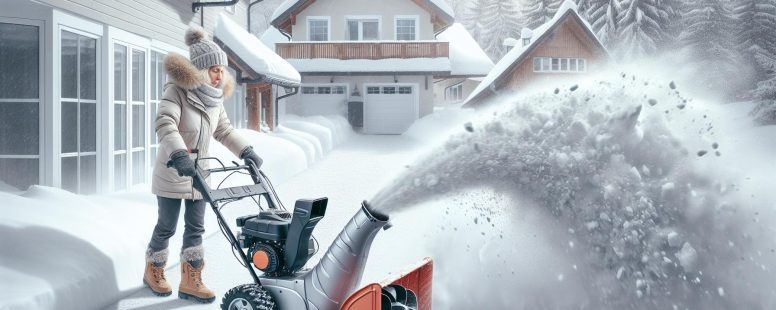
Snow blowing is your go-to solution for clearing out that thick blanket of snow from your driveway or sidewalk. Unlike shoveling, which can be back-breaking work, snow blowing is all about efficiency and saving time. With a snow blower, you’re not just moving snow; you’re literally blowing it out of your way, making winter chores a breeze. Whether you’re dealing with light flurries or a heavy snowstorm, understanding how snow blowing works can transform your approach to winter maintenance.
How Does Snow Blowing Work?
Snow blowing, a winter maintenance staple, greatly simplifies the task of clearing snow from driveways and sidewalks. Understanding the mechanics behind snow blowing can help you use it more efficiently.
Understanding the Mechanism
At its core, a snow blower operates through an auger mechanism that scoops up snow and an impeller that propels it out of the discharge chute. The process involves three key stages:
- Intake: The auger, a spiral-shaped blade, cuts through the snow and directs it towards the center of the blower.
- Lift: As the snow moves inward, it’s lifted towards the impeller.
- Propulsion: The impeller, a high-speed fan, forcefully ejects the snow out of the chute, sending it several feet away.
Types of Snow Blowers
There are mainly two types of snow blowers: single-stage and two-stage.
- Single-Stage Snow Blowers: Ideal for light to moderate snowfall, these models directly engage the surface. The auger both cuts through the snow and propels it out in a single action.
- Two-Stage Snow Blowers: Equipped for heavy snowfalls, these models have a separate impeller for throwing snow. This design allows them to handle larger amounts and throw snow farther than single-stage blowers.
Key Features to Consider
When selecting a snow blower, consider the following features for optimal performance:
- Width and Intake Height: Determines the volume of snow the blower can handle at once.
- Engine Type: Electric models are quieter and require less maintenance, while gas models offer more power and mobility.
- Adjustable Chute: Allows you to control the direction and distance the snow is thrown.
Maintenance for Longevity
Regular maintenance ensures your snow blower runs effectively every winter. Key maintenance tasks include:
- Checking the Auger: Ensure the blades are not worn out or damaged.
- Inspecting the Belts: Replace any that are frayed or broken.
- Changing the Oil: For gas models, change the oil at the start of every winter.
By understanding how snow blowing works and maintaining your equipment, you’ll find clearing snow to be a much more manageable task.
Benefits of Snow Blowing
When winter hits in full force, snow blowing becomes an indispensable part of keeping your driveway and sidewalks clear. Understanding the benefits will help you appreciate the effectiveness and efficiency of using a snow blower over traditional methods like shoveling.
Time-Saving Efficiency
Snow blowers significantly reduce the time it takes to clear snow. Unlike shoveling, which can take hours for large driveways or heavy snowfalls, a snow blower can accomplish the same task in a fraction of the time. For instance, a driveway that might take you 2 hours to shovel by hand could be cleared in just 30 minutes with a snow blower.
- Time to shovel by hand: 2 hours
- Time with a snow blower: 30 minutes
Reduced Physical Strain
Shoveling snow is not only time-consuming but also physically demanding. It can lead to back strain, muscle fatigue, and even serious injuries. Snow blowing, on the other hand, requires significantly less physical effort. By guiding the machine, you avoid the heavy lifting and twisting required by manual shoveling.
Enhanced Safety
Snow blowing also contributes to a safer home environment. Efficiently cleared driveways and paths reduce the risk of slips and falls, which are common in icy conditions. Besides, by keeping your sidewalks clear, you’re helping to ensure the safety of passersby and maintaining compliance with local ordinances that may require snow removal.
Improved Snow Management
Snow blowers offer superior control over where the snow is deposited. With adjustable chutes and controls, you can easily direct the snow away from important areas, like walkways and entrances. This capability allows for more strategic snow management, ensuring that you’re not just moving the problem from one place to another.
By harnessing the power of snow blowing, you can enjoy a clear, safe, and accessible property throughout the winter months, without the back-breaking work of shoveling. Whether you’re facing light snowfall or a winter storm, a snow blower is an essential tool for efficient snow removal.
Different Types of Snow Blowers
When you’re looking to tackle winter’s wrath on your driveway and sidewalks, understanding the different types of snow blowers available is crucial. The right machine can turn a challenging job into a manageable, even enjoyable one. Let’s break down the primary models you’ll encounter in your search: single-stage, two-stage, and three-stage snow blowers.
Single-Stage Snow Blowers
Single-stage snow blowers are the most lightweight and easy to handle. They’re perfect for clearing snow off mid-sized, flat driveways and sidewalks. These machines have a single auger that scoops up the snow and throws it out of the chute in one motion. Because they’re designed to touch the ground, they’re best used on paved surfaces. Here are some key points about single-stage snow blowers:
- Best for: Snow accumulations of up to 8 inches
- Mobility: Easy to maneuver and store
- Surface: Ideal for paved, flat areas
Two-Stage Snow Blowers
Two-stage snow blowers tackle heavier snowfall and more challenging terrain. The first stage involves an auger pulling the snow into the machine, while the second stage uses an impeller to throw the snow out of the chute. This dual action allows for more efficient clearing of deep snow. Features include:
- Best for: Snow accumulations of more than 8 inches
- Power: Enhanced clearing capability, often self-propelled
- Surface: Works well on both paved and gravel surfaces
Three-Stage Snow Blowers
The three-stage snow blower is the powerhouse among snow blowers, designed for heavy-duty snow removal. It adds an accelerator to the two-stage process, which churns the snow and ice before it reaches the impeller, allowing for faster and more efficient snow throwing. Key advantages are:
- Best for: Heavy, wet snow and severe snowfall
- Speed: Faster clearing time compared to two-stage models
- Surface: Effective on all surface types, including rugged terrain
Choosing the Right Snow Blower for Your Needs
When winter blankets your driveway and sidewalks in a thick layer of snow, having the right snow blower can turn a daunting chore into a manageable task. It’s essential to select a machine that not only fits your physical capabilities but also the demands of your property. Here’s how you can make an well-informed choice.
Single-Stage Snow Blowers: These are the lightest and easiest to maneuver. Ideal for: homeowners with a mid-sized driveway and about 8 inches or less of snowfall. They work best on paved surfaces since the auger comes in direct contact with the ground. Brands like Toro and Cub Cadet offer models that are highly rated for their efficiency and durability.
Two-Stage Snow Blowers: Equipped with an auger and an impeller, these machines can handle heavier snowfall—up to 12 inches. Ideal for: properties with larger driveways or more uneven terrain. These units clear a wider path and the adjustable skid shoes prevent damage to gravel or unpaved surfaces. Honda and Ariens have robust models that deliver consistent performance in challenging conditions.
Three-Stage Snow Blowers: For the toughest winter challenges, a three-stage snow blower combines an auger, impeller, and accelerator to move more snow faster. Ideal for: Heavy, wet snow and large areas. These machines can clear up to 16 inches of snowfall, making them suitable for locales with heavy snowfalls. Brands like Troy-Bilt offer three-stage blowers that excel in speed and efficiency.
Before making your purchase, consider:
- Engine Type: Electric models are easier to start and maintain, while gas models offer more power and longer run times.
- Width and Intake Height: A wider width and higher intake allow for quicker clearing but consider storage space.
- Adjustable Chute: This feature enables you to control the direction and distance of the thrown snow, enhancing flexibility.
By aligning your needs with the capabilities of a snow blower, you’ll be better equipped to keep your driveway and walkways clear all winter long. Remember to always prioritize safety and adhere to the manufacturer’s operational guidelines.
Tips for Safe and Effective Snow Blowing
Operating a snow blower can make your winter maintenance much easier, but it’s crucial to do it safely and efficiently to avoid injury and ensure your machine lasts for seasons to come. Here are essential tips to follow:
- Start with the Right Gear: Before you even start your snow blower, make sure you’re dressed for the occasion. Wear layers to keep warm, but avoid loose clothing that could get caught in the machine. Sturdy boots with good traction will prevent slips, and gloves will keep your hands warm and protected.
- Know Your Machine: Read the manual thoroughly. Each model has its quirks, and knowing how your snow blower operates is the first step to using it safely.
- Clear the Area: Before snow blowing, remove any debris, rocks, or hidden objects from the pathway. These can become dangerous projectiles when caught in the machine.
- Check the Forecast: Dry, powdery snow is easier to remove than wet, heavy snow. Timing your snow removal efforts can make the job easier and more effective.
- Use the Right Technique: Start from the center of the area you’re clearing and blow the snow towards the edges. This method prevents you from having to move already blown snow a second time. For driveways, push snow towards one side to diminish the possibility of creating a slippery surface.
- Maintain Your Equipment: Regular maintenance is key. After each use, check the auger and blades for wear and tear. At the end of the season, perform any needed maintenance tasks like changing the oil and replacing the spark plug. This ensures your snow blower is ready to go when winter comes back around.
- Stay Vigilant: Always be aware of your surroundings. Never aim the chute towards people, pets, or buildings with glass windows. Understanding the power of your machine and using it with respect can prevent accidents.
Following these guidelines can significantly enhance your snow blowing experience, ensuring you tackle snow removal tasks effectively while keeping safety a top priority.
Conclusion
Embracing the power of a snow blower can transform your winter maintenance routine from a challenging job to a manageable, even enjoyable activity. With the insights on the mechanics of snow blowing, types of snow blowers, and essential features to look for, you’re well-equipped to make an well-informed choice. Remember, the key to efficient snow removal lies not only in choosing the right equipment but also in adhering to the safety and maintenance tips shared. Whether you’re exploring your first snowy season or looking to upgrade your snow removal game, the knowledge you’ve gained today ensures you’re prepared to face the winter with confidence. Stay warm, stay safe, and let your snow blower do the heavy lifting.

- How Much Does a Riding Lawn Mower Weigh? - January 9, 2026
- Can You Park Cars in Your Backyard? - January 3, 2026
- Understanding Drone Overflights and Privacy Concerns - January 3, 2026