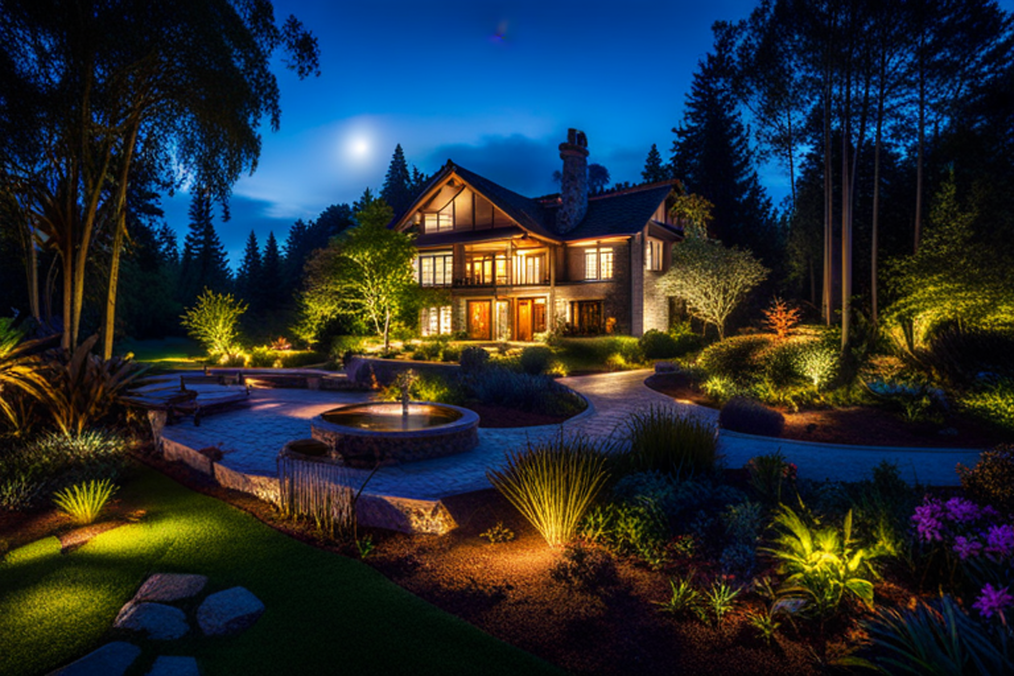
What Is the Best Stone for Outdoor Fireplaces? Top Durable & Stylish Options Explained
Picture the crackle of flames dancing against rugged stone as you gather around your outdoor fireplace. The right stone doesn’t just hold the fire—it shapes the entire ambiance, blending durability with natural beauty. But with so many options, how do you choose the best stone that stands up to weather, heat, and time?
Your outdoor fireplace deserves more than just any stone. It needs one that resists the elements while enhancing your backyard’s charm. Discovering the perfect stone means unlocking a balance between strength and style, ensuring your fire pit becomes the heart of countless memorable nights. Ready to find the stone that turns your outdoor space into a cozy retreat? Let’s immerse.
Factors to Consider When Choosing Stone for Outdoor Fireplaces
Choosing the right stone for your outdoor fireplace involves more than just picking what looks good. You must weigh durability, style, safety, and upkeep to create a lasting and stunning feature in your backyard.
Durability and Weather Resistance
Durability stands top among considerations because outdoor fireplaces face intense weather. Stones such as granite and sandstone are known for their robustness and resistance to rain, freeze-thaw cycles, and sun exposure. Granite’s tightly packed grains repel water effectively, preventing cracks and erosion even after years exposed to harsh winters or scorching summers. Sandstone, while slightly softer, still withstands elements well if sealed correctly. You want your fireplace to endure decades without crumbling or losing structure, so think about stones tested in climates similar to your own.
Aesthetic Appeal and Style
The stone sets the tone of your outdoor space, echoing personalities from rustic charm to modern elegance. You might prefer rough-cut limestone for a natural, earthy feel or smooth bluestone for sleek sophistication. Colors ranging from smoky gray, golden tan to deep charcoal impact ambiance significantly. Remember, the stone must harmonize with your home’s exterior and landscape. Projects that blend multiple stone types or finishes often achieve striking visuals but require careful design to avoid clashing textures. If you’re uncertain, sample stones in natural light before choosing.
Heat Resistance and Safety
Fireplaces demand materials that withstand direct and prolonged heat without degradation. Stones with high thermal mass, like soapstone or basalt, absorb and radiate heat gradually, boosting fireplace efficiency and comfort. Some stones, such as certain limestones, may crack under extreme heat, risking safety and costly repairs. Also, check whether the stone emits toxic fumes when heated — natural stones rarely do, but composites might. Installing firebricks inside the firebox with attractive stone facades outside provides a blend of functionality and beauty — an approach many experts recommend.
Maintenance and Longevity
You probably want your fireplace looking pristine with minimal fuss. Some stones require frequent sealing and cleaning to prevent stains and moss growth, especially in damp regions. Granite and slate typically need less maintenance due to their dense surfaces. Porous stones like sandstone absorb oils or water quickly if untreated. Develop a cleaning routine matched to your stone’s characteristics: occasional scrubbing with mild detergent, sealing every few years, and inspecting mortar joints can preserve both look and structure. It’s wise to consult professionals who understand stone care specific to your region’s climate.
| Factor | Stone Examples | Key Feature | Maintenance Need |
|---|---|---|---|
| Durability | Granite, Sandstone | Weather and freeze-thaw resistant | Low to medium |
| Aesthetic Appeal | Limestone, Bluestone | Texture and color variety | Varies (low to medium) |
| Heat Resistance | Soapstone, Basalt | High thermal mass withstand heat | Low |
| Maintenance | Slate, Granite | Dense surfaces resist stains | Low |
Thoughtfully selecting your fireplace’s stone isn’t merely a design choice but a commitment to enduring beauty and safety. Reflect on the climate, lifestyle, and style preferences—that way, your outdoor retreat will invite countless memorable evenings wrapped in warmth and elegance.
Popular Stones for Outdoor Fireplaces
Choosing the perfect stone defines your outdoor fireplace’s character and resilience. Each stone offers unique traits that blend strength, style, and function, ensuring your backyard becomes a warm, inviting sanctuary.
Granite: Strength and Elegance
Granite stands out by combining unmatched durability with striking elegance. This igneous rock features dense grains that resist cracking under intense heat and harsh weather. You get colors ranging from subtle grays to vibrant pinks, allowing granite to complement diverse architectural styles. For example, granite fireplaces in New England homes endure heavy snowfalls without fading or damage. When you pick granite, you’re investing in low-maintenance beauty that lasts decades. Be aware, but, that granite can feel cold to the touch, which some might find less cozy.
Limestone: Classic and Versatile
Limestone offers classic charm with a soft texture that fits both traditional and modern designs. Known for its warm neutral tones—from beige to soft gray—limestone effortlessly blends with most outdoor settings. Even though its porous nature, properly sealed limestone resists weather damage and stains, making it practical for outdoor fireplace surrounds. Considering limestone invites a rustic yet refined aesthetic, popular in Mediterranean-inspired patios. Yet, its softness means it scratches easier than granite, so taking care when handling tools or logs helps maintain its pristine look.
Sandstone: Natural and Rustic
Sandstone captures nature’s raw beauty, imbuing your outdoor space with earthy, rustic appeal. Composed of sand-sized minerals, it provides varied textures and warm shades like amber, gold, and reddish browns. Sandstone fireplaces in Southwest homes portray timeless ruggedness, perfectly fitting dry or moderate climates. Though sandstone is relatively softer, its porosity can cause erosion if left unprotected in wet, freezing environments. You enhance its durability by applying sealants specific for sandstone to maintain its rich appearance over time.
Slate: Sleek and Durable
Slate’s fine-grained structure provides sleek visuals combined with strong durability. It’s valued for sharp edges and smooth surfaces with deep blues, greens, and even purples, making it a standout choice for modern outdoor fireplaces. Slate’s natural cleft creates non-slip surfaces perfect for hearths in rain-prone areas. Because it resists heat and moisture well, slate fireplaces work well in colder regions, where freeze-thaw cycles challenge other stones. Do keep in mind, slate can fragment if exposed to extreme impacts, so installation by experienced masons recommended.
Fieldstone: Traditional and Textured
Fieldstone creates a timeless, textured look by using natural stones collected from fields and riverbeds. Their irregular shapes and diverse colors form charming, rustic fireplaces that harmonize with wooded or rural landscapes. Fieldstone offers excellent heat resistance and often requires minimal cutting or shaping, which preserves its organic beauty. Many homeowners appreciate fieldstone fireplaces for evoking heritage and natural coziness. But, align your choice with local supply availability, as fieldstone characteristics greatly vary by region, affecting cost and installation complexity.
| Stone | Durability | Heat Resistance | Maintenance | Aesthetic Appeal | Ideal Climate |
|---|---|---|---|---|---|
| Granite | Very High | Very High | Low | Elegant, versatile | Snowy, wet |
| Limestone | Moderate | Moderate | Medium | Classic, soft tones | Mediterranean, mild |
| Sandstone | Moderate | Moderate | Medium-High | Rustic, textured | Dry, moderate |
| Slate | High | High | Medium | Sleek, modern | Cold, rainy |
| Fieldstone | High | High | Low-Medium | Rustic, natural | Varied, depends on source |
Considering these stones’ unique profiles helps you match durability, heat tolerance, upkeep, and style to your outdoor space’s demands. What mood do you want your fireplace to set? Whether bold elegance or rustic charm, the right stone connects function with your backyard’s soul. Don’t rush. Test samples in your environment and consult with experts who know your local climate nuances. Quality stone is more than just building material; it’s the hearth’s heart, inviting warmth and memories season after season.
Comparing Stone Options for Outdoor Fireplaces
Choosing the best stone for your outdoor fireplace involves weighing key factors beyond just beauty. Each stone’s unique attributes affect long-term value, comfort, and appearance. By comparing cost, installation requirements, and climate performance, you’ll discover the optimal material to create an inviting outdoor retreat.
Cost and Availability
Prices of outdoor fireplace stones vary widely, influencing your project budget directly. Granite catalogs average $40–$100 per square foot depending on color, finish, and source, while sandstone typically ranges from $30–$60 per square foot. Limestone offers moderate cost but may require specialized cuts that increase expense. Fieldstone, often sourced locally, provides budget-friendly options though its irregular shape impacts labor costs. Consider also stone availability in your region; a locally quarried stone reduces shipping fees and supports local economies, enhancing overall value. For example, homeowners in the Southwest lean toward sandstone for its regional abundance and desert-friendly aesthetic.
Installation Considerations
Stone installation demands expertise to ensure structural integrity and longevity. Granite’s density and hardness make it durable but harder to cut; its weight requires a sturdy foundation and skilled masonry. In contrast, softer stones like limestone are easier to shape, allowing intricate designs but may suffer from chipping if improperly handled. Uneven stones such as fieldstone require more labor for fitting and leveling. Weather conditions during installation affect mortar curing rates; installers often avoid cold, wet days to prevent weak bonds. Always prioritze professional assessment since improper installation risks cracks or displacement that no stone can forgive.
Performance in Different Climates
Your stone’s durability is only as good as its adaptability to local weather stressors. Granite excels in freeze-thaw cycles common in northern regions, resisting cracking where softer stones might falter. Sandstone and limestone perform admirably in arid climates but may erode quicker in acidic rain prevalent in industrial areas. Slate’s low porosity helps repel moisture, suitable for humid or coastal zones, yet its tendency to split may pose challenges under fluctuating temperatures. Fieldstone’s rustic texture hides wear and tear well but absorbs more water, requiring sealants in rainy climates. For instance, homeowners near the Great Lakes prioritize frost-resistant stones like granite or bluestone to minimize winter damage.
You may find that blending stone types addresses diverse climate demands while achieving your design vision. Have you considered mixing heat-resistant soapstone accents with a granite base? This strategy marries function with form seamlessly.
Selecting the right stone transforms your outdoor fireplace from a mere structure into a durable, beautiful gathering place. Consult local experts and test samples in your environment to perfect your choice. Your commitment to quality stone ensures your outdoor hearth stands strong, invites warmth, and sparks lasting memories for years to come.
Tips for Selecting the Best Stone for Your Outdoor Fireplace
Choosing the best stone for your outdoor fireplace shapes not only its appearance but also its durability and functionality. Every stone tells a unique story, influencing how your outdoor space feels throughout the seasons.
Matching Stone to Your Outdoor Design
Aligning your stone choice with your outdoor design doubles its impact. When you stetch the boundaries between rustic charm and modern sleekness, stones like sandstone and slate offer distinct textures that invite touch and admiration. For example, you could pair rugged fieldstone with natural wood to evoke a cozy cabin vibe, while polished granite blends effortlessly with contemporary metal accents. Think about the color palette of your home’s exterior, then pick stones with hues or patterns that echo or contrast effectively. Do you want the stone to blend in, or make a bold statement? Both strategies create a visual dialogue that enriches your backyard’s atmosphere.
Consulting with Professionals
Engaging with masonry experts and landscape designers pays dividends. Professionals recognized by the Masonry Institute or similar organizations understand local climate impacts and installation nuances that might escape amateurs. A seasoned builder, for instance, might advise against limestone in harsh winter zones due to its porosity, while recommending granite for its frost resistance. You can gain insights about maintenance demands and sealing options that prolong your fireplace’s lifespan. Asking, “What stone complements my region’s weather patterns?” opens doors to tailored recommendations. Remember, an initially costly consultation saves money by preventing mistakes that compromise safety or aesthetics.
Budget Planning for Stone Selection
Budgeting extends beyond the sticker price of stones. While granite often ranks at the high end, sandstone and fieldstone present more affordable yet attractive alternatives. Installation costs vary equally—complex cuts and heavy slabs add labor fees. Consider a phased approach: prioritize durable stones for visible sections and use less costly varieties in less exposed areas. For example, investing in granite for the hearth and mixing in sandstone for adjacent walls balances cost and quality. Keep in mind, cheap stones sometimes demand higher maintenance, adding future expenses. Consult cost breakdowns from suppliers like the National Stone Institute to refine estimates. Allocating funds wisely assures your fireplace remains both beautiful and functional for years.
By thoughtfully matching stone to your design, leaning on professional guidance, and planning your budget carefully, you craft not just an outdoor fireplace but a lasting centerpiece that defines your backyard’s character and warmth.
Conclusion
Choosing the best stone for your outdoor fireplace is a key step in creating a beautiful and lasting backyard retreat. By considering durability, heat resistance, and how the stone complements your outdoor style, you set the stage for cozy gatherings and year-round enjoyment.
Remember that the right stone not only stands up to the elements but also enhances your outdoor space’s character. Taking the time to plan carefully and consult with experts ensures your fireplace remains both safe and stunning for years to come.

- Do Pergolas Provide Shade? - December 1, 2025
- What Is the Best Stone for Outdoor Fireplaces? Top Durable & Stylish Options Explained - December 1, 2025
- Why Add a Sports Court to a Backyard? Top Benefits for Health, Fun & Home Value - December 1, 2025