Where Should I Place a Fire Pit in My Backyard? Best Tips for Safety and Comfort
Picture the warm glow of a fire pit flickering under a starlit sky, inviting laughter and stories to fill your backyard. But where should you place this cozy centerpiece to maximize comfort, safety, and style? Choosing the perfect spot isn’t just about aesthetics—it can transform your outdoor space into a year-round retreat.
Placing a fire pit in the right location balances functionality with ambiance. You’ll want to consider wind direction, nearby structures, and natural surroundings to create a safe haven that enhances your backyard’s vibe. Discover how thoughtful placement can turn your fire pit into the heart of memorable gatherings and peaceful evenings alike.
Factors to Consider When Choosing Fire Pit Location
Selecting the perfect spot for your fire pit shapes not just its function but your entire backyard experience. You want a place that blends safety with enjoyment, letting the fire’s warmth and glow gather friends and family effortlessly.
Safety Guidelines and Regulations
Start by checking your local laws and guidelines. Many cities and towns sets rules on how close a fire pit can be to property lines, buildings, or flammable materials. Failing to comply may result in fines or even forced removal. For example, some municipalities require a minimum distance of 15 feet from any structure, while others restrict burning during dry seasons. Always obtain any necessary permits before construction or installation.
Consider fire-retardant materials on surrounding surfaces. A gravel or stone base around the pit prevents embers from sparking fires. Avoid placing a pit on wooden decks or dry grass without proper protection. Installing a spark screen adds another layer of safety by containing flying embers. Also, keep a fire extinguisher, bucket of sand, or hose nearby when the fire pit is in use.
Distance From Structures and Vegetation
You must place your fire pit far enough from buildings, fences, and overhanging trees to reduce fire risks. A distance of at least 10 to 20 feet provides a buffer against sparks landing on flammable surfaces. For example, a fire pit near a wooden pergola or beneath pine trees becomes a hazard if sparks fly unpredictably.
Also, consider underground utilities that could be damaged by heat or digging. Locate the pit away from gas lines, water pipes, and electrical cables by consulting utility maps or professionals. Surrounding plant life impacts safety too. Dense shrubs or dry leaves act as tinder; so, clear the area entirely around the fire pit and regularly maintain it.
Wind Direction and Smoke Control
Wind plays a trickster’s role in your fire pit story. Positioning the fire against prevailing winds prevents smoke from drifting into seating areas or nearby structures. Analyze local wind patterns across seasons to find a sheltering spot that’s both comfortable and practical.
If your backyard faces consistent strong winds, consider installing a windbreak, such as a fence or tall shrubs, to protect the flame. But, keep windbreaks at a safe distance to avoid overheating.
Smoke control relates not just to comfort but health. Smoke traveling toward windows or neighbors can cause disputes or nuisance complaints. By understanding your environment’s airflow rhymes, you maintain peace and ensure everyone enjoys evenings round the fire.
Take these factors seriously and your fire pit becomes more than a backyard feature; it transforms into a hearth of safe, memorable experiences that beckon you outside on chilly nights. Have you mapped your yard’s risks and opportunities yet? The answers guide your next steps toward the perfect fire pit placement.
Ideal Spots for Placing a Fire Pit in Your Backyard
Selecting the perfect spot for your fire pit requires a balance of safety, aesthetics, and functionality. You’ll want a location that invites relaxation while keeping hazards at bay.
Open Spaces and Clear Areas
Open spaces in your backyard provide the safest options for fire pit placement. A large, unobstructed area, free from overhanging branches and flammable materials, minimizes risk. For example, a grassy clearing at least 10 feet from any structure or tree gives enough buffer to prevent sparks from causing problems. Such clear zones not only reduce fire hazards but also allow smoke to drift away comfortably, making conversations easier. If your backyard lacks a broad open spot, consider creating one by trimming back dense shrubbery or rearranging garden items.
Have you noticed how campfires in wide-open spaces encourage storytelling and laughter? Similar principles apply to your fire pit—it’s the open setting that encourages togetherness. According to the National Fire Protection Association (NFPA), maintaining a minimum perimeter of 10 feet clear around the fire pit reduces accidental fires significantly.
Near Patio or Seating Areas
Positioning the fire pit close to your patio or seating creates a cozy, social hub enhancing your outdoor experience. Picture gathering with friends around a warm glow just steps from your house, eliminating the need to traverse uneven ground at night. Just ensure the fire pit sits far enough—about 8 to 10 feet—from furniture and the house to avoid smoke infiltration or potential fire. When set near patios, choose non-flammable surfaces like stone, concrete, or brick to place the pit and surrounding seating.
Placement next to seating areas invites extended use during cooler evenings, transforming your backyard into an outdoor living room. You might want to experiment with movable chairs or benches, adjusting distances based on wind shifts to keep everyone comfortable. Real-life outdoor designers affirm that cohesive seating arrangements around fire pits amplify social connection while meeting safety standards.
Incorporating Natural Features
Integrating your fire pit with natural elements transforms the space into an organic retreat. Consider placing it near a rock formation or using stone benches that double as fire-resistant seating. Natural windbreaks, such as a row of tall bushes or a stone wall, can shield the flames and guide smoke away from guests. But mind the vegetation’s proximity—plants like dry grasses or pines increase fire risk and reduce your fire pit’s footprint safety margin.
Have you thought about how the setting sun, reflecting off a nearby water feature, can enhance firelight’s ambiance? Using your yard’s topography creatively not just beautifies but also promotes function—like situating the pit slightly downhill enhances airflow, improving combustion and smoke dispersion. Experts in landscape architecture highlight that harmonizing fire pits with natural surroundings fosters a seamless blend of safety, utility, and beauty.
Your fire pit isn’t only a utility—it’s a centerpiece that invites gathering, storytelling, and reflection. Careful placement ensures it fulfills its role without compromising safety or style. By choosing open spaces, integrating with patios, and incorporating natural features, you maximize both enjoyment and security. Always remember local regulations and consult safety guidelines to balance your backyard’s charm and your peace of mind.
Enhancing Comfort and Ambiance Around Your Fire Pit
Creating a welcoming space around your fire pit blends function with style. Thoughtful lighting, furniture placement, landscaping, and privacy all shape how enjoyable your backyard gatherings become.
Lighting and Furniture Placement
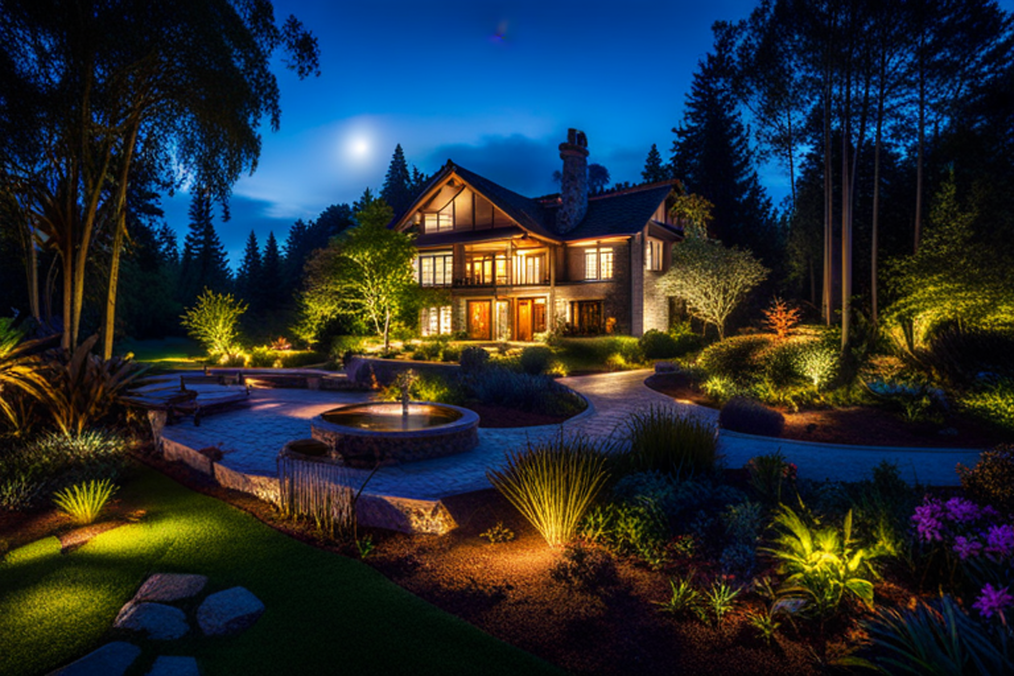
Effective lighting sets the mood and ensures safety near your fire pit. Soft string lights overhead or solar-powered path lights guide guests and soften shadows. Avoid harsh floodlights that disrupt the cozy atmosphere.
Choosing furniture that complements the fire pit encourages lingering conversations. Arrange chairs or benches in a semi-circle about 6 to 8 feet from the fire’s edge, allowing warmth without discomfort. Combining fixed seating with movable chairs offers flexible arrangements for different group sizes.
Consider materials that withstand heat and outdoor conditions—metal and stone resist sparks and weather better than untreated wood. Add cushions in weather-resistant fabrics to boost comfort without sacrificing durability. Placing small side tables provides surfaces for drinks or marshmallow roasting sticks, enhancing usability.
Landscaping and Privacy Considerations
Surrounding your fire pit with strategic landscaping deepens comfort and intimacy. Use low-growing shrubs or ornamental grasses spaced at least 3 feet away to avoid fire hazards while softening sightlines. Evergreens or tall bamboo installations create year-round privacy screens, buffering noise and neighbors’ views.
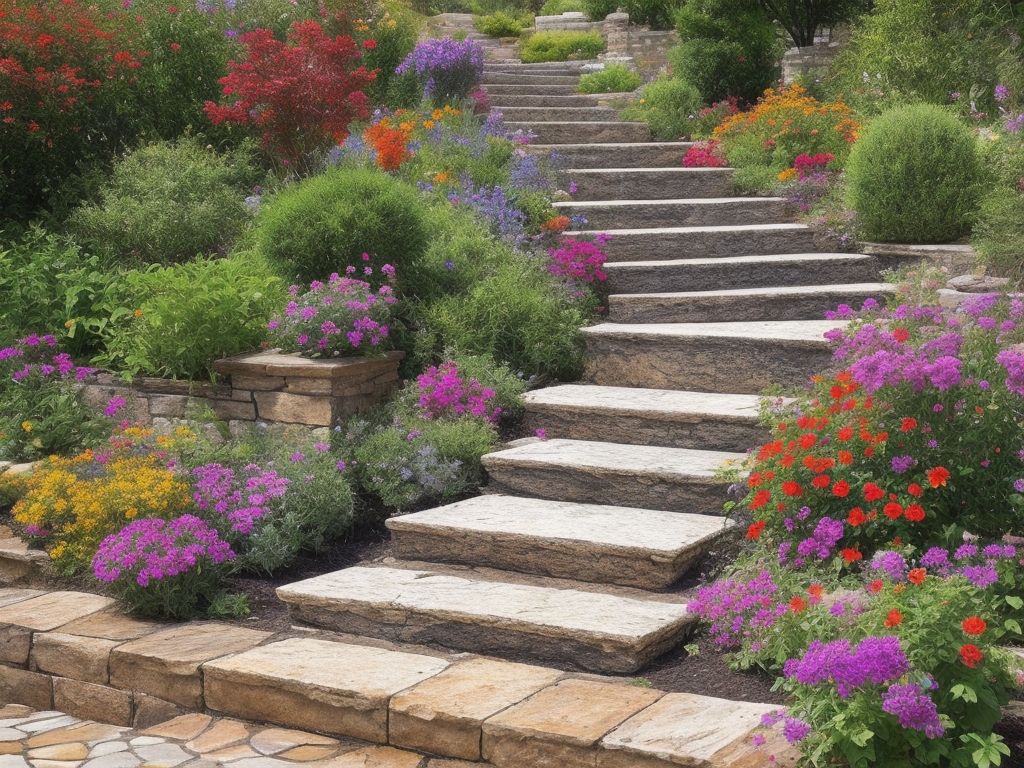
Incorporate natural elements like rocks or gravel bases to prevent ground fires and define space visually. Raised flower beds or stone walls form inviting borders that anchor the fire pit area, framing it as a backyard focal point.
Wind often disrupts fire pit enjoyment; planting hedges or trees as windbreaks helps control smoke direction and flame flicker. Be mindful of local fire codes when adding plants near the fire pit to reduce risk.
Balancing openness and enclosure makes your fire pit area both secure and enchanting, turning simple winter evenings into memorable retreats. Don’t overlook the power of layering textures—wood, stone, fabric, and greenery—to craft a multi-sensory experience that beckons guests to linger late into the night.
Maintenance and Accessibility of Fire Pit Location
You choose a fire pit location that simplifies upkeep and promotes easy access. Positioning close to your house or patio reduces effort in transporting wood, tools, and seating materials, which means more time enjoying the warmth instead of preparing the space. Maintaining a clean fire pit area demands enough room for tools like ash scoops, brushes, and storage bins, so placing it where these items can stay organized without cluttering paths is smart.
You plan regular cleaning schedules by ensuring accessibility for removing ashes and debris safely. If the fire pit sits on uneven or slippery ground, it complicates maintenance and raises accident risks. Hence, pick a level surface with solid footing like pavers or gravel to streamline upkeep and secure footing. Also, consider leaves or pine needles from nearby trees that might pile up around the pit, creating fire hazards; regular sweeping or landscaping adjustments minimize this risk.
You take into account nighttime accessibility by placing lighting nearby or integrating solar-powered path lights. Navigating around a fire pit in the dark without adequate lighting increases trip hazards, so light placement assures safe movement. Position adequate seating within easy reach but far enough to avoid sparks or embers igniting cushions or clothing. For example, setting chairs at least three feet away from the fire keeps guests comfortable and secure.
You weigh convenience against safety, balancing easier access with recommended clearance distances from structures or flammable materials. Although near proximity enhances usability, respecting local regulations and fire safety guidelines avoids dangerous encounters. For instance, situating your fire pit fifteen feet from the house and large trees meets most local codes while maintaining practical access.
You forecast potential maintenance challenges by observing nearby elements—does the spot accumulate water, making cleaning tricky after rain? Is the ground prone to erosion or mud, complicating upkeep? Addressing these concerns upfront by choosing elevated, well-drained areas prevents future hassle. Also, integrating storage solutions, like nearby sheds or covered boxes, to house firewood and tools protects them from weather damage and maintains readiness.
You might overlook how seasonal changes affect accessibility; snow or heavy leaf fall can obstruct paths or hide hazards near the fire pit. Installing removable pavers or portable decking around the pit aids year-round maintenance and ease of use. Incorporate landscaping elements to create wind barriers, which not only beautify but prevent smoke from blowing towards seating or the house, enhancing comfort.
By thoughtfully deciding the fire pit location with maintenance and accessibility in mind, you create a backyard feature that’s effortless to enjoy and safe to operate. Review your plans periodically and adapt as needed to evolving backyard conditions, ensuring the fire pit remains a welcoming, central gathering space.
Conclusion
Choosing the perfect spot for your fire pit sets the stage for countless memorable moments. By balancing safety, comfort, and style, you create a backyard retreat that invites relaxation and connection. Keep your space functional and inviting by considering accessibility and maintenance needs alongside aesthetic touches.
With thoughtful placement, your fire pit becomes more than just a heat source—it turns into the heart of your outdoor living area. Enjoy the warmth, ambiance, and social vibe it brings while knowing you’ve prioritized safety and convenience. Your backyard is ready for cozy nights and lively gatherings alike.

- How Much Does a Riding Lawn Mower Weigh? - January 9, 2026
- Can You Park Cars in Your Backyard? - January 3, 2026
- Understanding Drone Overflights and Privacy Concerns - January 3, 2026