Why Add Raised Beds to a Backyard: Benefits, Tips, and Budget-Friendly Ideas
Picture stepping into your backyard and being greeted by lush, vibrant plants thriving in perfectly arranged soil beds. Raised beds transform ordinary garden spaces into organized, flourishing havens that invite you to dig in and grow with ease. They’re more than just a stylish upgrade—they offer surprising benefits that can change the way you garden forever.
From improved soil drainage to easier weed control, raised beds give you the power to create a healthier, more productive garden without the usual hassle. Whether you’re a seasoned gardener or just starting out, adding raised beds can unlock new levels of growth and satisfaction in your backyard oasis. Ready to discover why these elevated gardens are becoming a must-have? Let’s dig deeper.
Benefits of Raised Beds in a Backyard
Raised beds transform your backyard into a dynamic garden haven where soil quality, plant health, and maintenance become easier to manage. You uncover distinct advantages from improving soil conditions to boosting yields.
Improved Soil Quality and Drainage
Raised beds let you control your soil composition precisely, mixing organic matter, compost, and minerals tailored to your plants’ needs. Unlike in-ground gardens, the bed’s elevation encourages excellent drainage—water flows away, reducing root rot risks. Picture carrots thriving because excess moisture vanished quickly or tomatoes resisting fungal diseases due to less soggy soil. According to the National Gardening Association, well-drained soil in raised beds improves root aeration by up to 30%, promoting healthier growth. You get to experiment with soil mixes till you find one that maximizes plant vigor, which often isn’t possible with native soil beneath your feet.
Easier Weed and Pest Control
Since raised beds are distinct physical boundaries, managing weeds and pests becomes less daunting. The contained structure reduces weed seed migration from surrounding areas. For example, you can see fewer dandelions creeping in or invasive grasses spreading your squash plants. Also, applying organic mulches or pest barriers is less messy and more effective when confined to a raised plot. The University of California extension notes pest incidence can drop by 25% when plants are elevated off soil surfaces, limiting ground-dwelling insect intrusion. Even if weed control demands attention, raised bed gardeners say the work is quicker and less exhausting, leaving more time to enjoy your flourishing crops.
Enhanced Plant Growth and Yield
You harvest more by giving roots the ideal environment to develop deeply and evenly. Soil temperature in raised beds tends to warm earlier in spring, extending your growing season by weeks. This boost means you can plant earlier varieties of leafy greens or more rounds of fast-maturing herbs. A study in the Journal of Agricultural Science found that raised bed systems increased vegetable yields by 20-50%, depending on the crop. Your tomato plants will likely produce larger fruits because root stress is minimized by better soil structure and moisture levels. Even heavy feeders like corn benefit when roots access more oxygen and nutrients freely without compaction. If you want a garden that grows not just in size but in productivity, raised beds answer that call gracefully.
Raised beds invite you to rethink gardening’s basic rules—making your backyard less about fighting the soil, and more about working with it. You’re ready to build raised beds that cultivate growth, ease, and beauty in equal measure. Why not start now?
Design and Material Options for Raised Beds
Choosing the right design and materials for your raised beds transforms your backyard into an efficient, attractive growing space. Your options affect durability, plant health, and ease of maintenance.
Common Materials Used
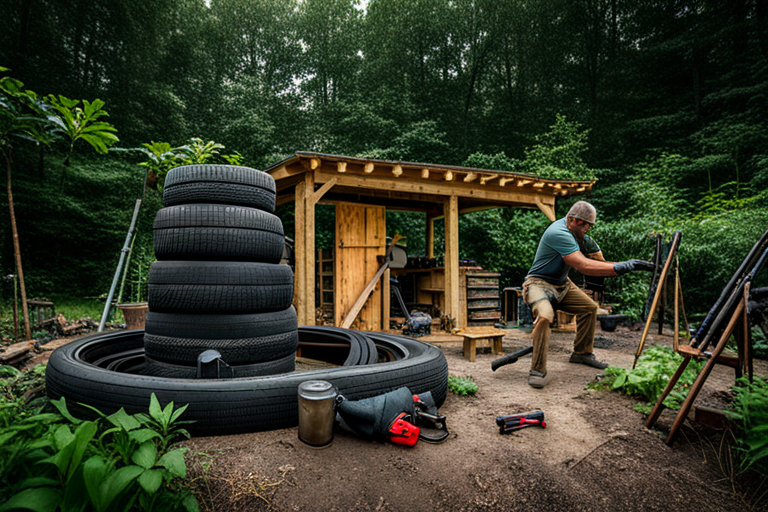
Wood offers warmth and natural appeal; cedar and redwood resist rot and insects without chemical treatments. Composite lumber blends wood fibers and plastic, lasting longer and reducing the need for replacements but may cost 30-50% more than wood. Metal beds, usually galvanized steel or aluminum, provide sleek looks and high durability, though they could heat soil faster in summer, affecting root comfort. Concrete blocks or bricks serve as sturdy, permanent borders, benefitting long-term gardens but requiring careful installation due to weight. In urban environments, recycled materials like pallets or even old tires get new life as raised beds, cutting waste and promoting sustainability.
Enough gardens worldwide have embraced these materials to provide real-world insights; for example, gardeners in chilly climates prefer cedar for its insulation properties, extending growing seasons by several weeks (University of Minnesota Extension). If you value sustainability and low maintenance, composite or metal might match your lifestyle better.
Ideal Shapes and Sizes
Rectangular beds around 3-4 feet wide optimize accessibility, allowing you to reach all plants without soil compaction from stepping inside. Lengths vary but 8 feet balances planting space with manageable workloads. If you want to add aesthetic variety or maximize space, consider square or polygonal beds; hexagons interlock like honeycomb enhancing space efficiency and visual interest. Circular raised beds can become focal garden points but require more precise planting plans to avoid shaded areas limiting growth.
Depth plays a crucial role; beds 12-18 inches deep accommodate most vegetables and flowers well, but root crops like carrots or potatoes thrive in 20-24 inches. Shallower beds suit herbs or shallow-rooted plants, reducing soil needs and labor.
While rectangular shapes dominate due to ease of construction, experimenting with curves or tiered designs invites creativity and can complement backyard contours or existing landscaping. But, nonstandard shapes might complicate irrigation and soil layering, so weigh style against practical needs. Have you considered how a raised bed’s shape can influence your daily gardening rituals or visual harmony with your home?
Design and material choices interact closely; for instance, heavier materials like concrete suit permanent beds with angular shapes, while lighter woods enable curvier, flexible layouts. By contemplating these factors thoughtfully, you create raised beds that offer both beauty and productivity in your backyard sanctuary.
Installation and Maintenance Tips
Installing and maintaining raised beds requires strategic planning and consistent care to ensure optimal growth and longevity.
Preparing the Site
Start by selecting a location that receive at least six hours of sunlight daily to maximize plant photosynthesis. Clear the area of grass and debris, then level the soil to prevent water pooling and uneven bed settling. Position raised beds with enough spacing to allow access from all sides without compacting the soil inside. Consider placing a weed barrier fabric beneath to reduce weed emergence; skipping this might increase maintenance time due to invasive plants.
Choose sturdy materials like cedar or composite wood resistant to rot to reduce replacement frequency. Align bed orientation north to south if possible, as this placement improves sun exposure for rows of plants. Pour a 2 to 4-inch layer of coarse gravel or sand below the frame for effective drainage, especially in clay-heavy soils. Fill beds with a soil mix combining garden loam, compost, and peat moss in a 2:1:1 ratio to optimize nutrient content and moisture retention, according to research from the University of California Agriculture and Natural Resources.
Seasonal Care and Upkeep
Adjust soil moisture levels regularly, watering deeply once or twice a week, depending on seasonal rainfall and temperature fluctuations. Mulch surfaces with organic material such as straw or shredded leaves to retain moisture and suppress weed growth, cutting watering needs by up to 30% during summer months. Rotate crops annually inside your raised beds to prevent nutrient depletion and reduce pest buildup linked with monoculture. Inspect beds monthly for signs of pest damage or fungal infections; early interventions like removing affected leaves or introducing beneficial insects significantly improve plant health.
In colder climates, cover beds with frost blankets or cold frames as temperatures approach freezing to extend the growing season and protect tender plants. Conversely, use shade cloths during unusually hot periods to prevent heat stress that stunts growth. Regularly replenish soil amendments, adding compost or organic fertilizers every season to maintain nutrient-rich soil conditions.
Take action early if signs of soil compaction or bed degradation appear, as repairing these issues promptly preserves plant productivity. Maintaining your raised beds with these strategies turns gardening labor into rewarding results, transforming your backyard into a flourishing oasis season after season.
Cost Considerations and Budgeting
You can start by assessing the initial investment for raised beds, which varies widely depending on materials, size, and complexity. For example, a simple cedar wood bed measuring 4 feet by 8 feet typically costs between $100 and $250, while metal or composite options might range from $200 to $500 or more. Choosing reclaimed or locally sourced materials often reduces expenses but may demand more time for preparation.
Calculating soil and amendment costs is crucial, as raised beds require high-quality soil mixes that can cost $30 to $50 per cubic foot. If you’re planning multiple beds, this expense adds up quickly. Alternatively, amending native soil inside the raised beds lowers costs but may affect initial soil quality and plant performance. Don’t overlook extra supplies like mulch, seeds, and tools, which can add up depending on the range and scale of your planting.
Considering long-term costs, maintenance tends to be lower with raised beds made from durable materials like cedar or metal. Wood beds, especially untreated types, may need replacement or repairs within 3 to 5 years, increasing lifetime expenditure. Conversely, plastic or composite beds offer longevity but come with a higher upfront cost. Keep in mind that soil renewal and fertilization also contribute to recurring expenses.
If budget constraints exist, prioritizing raised bed size and modular designs allows gradual expansion, spreading costs over seasons. DIY options can save money but require more labor and skill. Conversely, professionally installed raised beds speed setup but raise initial spending.
Create a budget spreadsheet that breaks down each element: frames, soil, amendments, tools, and ongoing care. This organized approach prevents overspending and ensures you’re investing efficiently in backyard productivity. Eventually, making informed choices aligns fund allocation with garden goals, supporting a thriving raised bed garden without financial strain.
Conclusion
Adding raised beds to your backyard is a smart way to boost your gardening success. They give you control over soil quality and drainage while making maintenance easier. With thoughtful design and proper care, your raised beds can become a vibrant and productive part of your outdoor space.
Whether you’re working with a tight budget or aiming for a long-term investment, raised beds offer flexibility and durability. They not only improve plant health but also enhance the overall look and feel of your garden. Taking this step can transform your backyard into a flourishing oasis you’ll enjoy season after season.

- How Much Does a Riding Lawn Mower Weigh? - January 9, 2026
- Can You Park Cars in Your Backyard? - January 3, 2026
- Understanding Drone Overflights and Privacy Concerns - January 3, 2026