Why Add Shade to a Backyard? Benefits of Comfort, Style, and Energy Savings
Picture stepping into your backyard on a blazing summer afternoon, the sun beating down relentlessly. Now picture a cool, inviting oasis where you can relax, entertain, or enjoy a quiet moment without squinting or overheating. Adding shade transforms your outdoor space from just a patch of grass into a comfortable retreat that beckons you to linger longer.
But shade does more than just block the sun. It protects your skin, extends your outdoor living season, and even enhances your yard’s aesthetic appeal. With the right shade solutions, you can create a versatile environment that adapts to your lifestyle while boosting your home’s value. Ready to discover why shade is the secret ingredient your backyard has been missing?
Benefits of Adding Shade to a Backyard
Adding shade transforms your backyard into a more enjoyable, safer, and cooler space. You’ll notice immediate improvements in comfort, health protection, and temperature control that make outdoor time more pleasant and productive.
Enhances Outdoor Comfort
Shade boosts outdoor comfort by reducing direct sunlight and glare, letting you relax or entertain without squinting or overheating. Picture lounging beneath a large tree canopy or a stylish pergola where the temperature feels pleasant even at noon. Shade structures like umbrellas or retractable awnings create cozy zones where family and friends gather for meals, games, or quiet reading. Without shade, the sun’s intensity tires you quickly, limiting your time outside. Shade also cuts down on insects attracted to sunlight, improving your outdoor experience further.
Protects Against Harmful UV Rays
Shade acts as a natural shield against ultraviolet (UV) radiation, which causes skin damage, premature aging, and increases skin cancer risk. According to the Centers for Disease Control and Prevention (CDC), prolonged UV exposure raises skin cancer incidence sharply. You can reduce these risks by adding shade elements like trees, canopies, or fabric sails that block up to 90% of UV rays. It’s critical to remember that even on cloudy days, UV rays penetrate; shade remains a reliable defense. Consider shade as your backyard’s invisible guardian that keeps harmful rays away while you enjoy fresh air.
Helps Lower Backyard Temperature
Shade contributes significantly to lowering backyard temperature by blocking solar radiation before it hits surfaces like concrete, decking, or artificial turf. shaded areas can be up to 20°F cooler than their sun-exposed counterparts. This drops the heat load on your home’s exterior walls and windows, cutting down air conditioning usage and energy costs. For example, planting deciduous trees strategically offers summer cooling and allows winter sun penetration once leaves fall. This natural temperature regulation saves money and creates a microclimate that invites more outdoor activities regardless of summer heat waves.
| Shade Benefit | Impact | Real-Life Example |
|---|---|---|
| Enhanced Comfort | Reduces glare and heat for prolonged outdoor enjoyment | Shaded patio hosting family dinners |
| UV Ray Protection | Blocks up to 90% of harmful rays, lowers skin cancer risk | Fabric sail shade over playground |
| Temperature Reduction | Cools shaded spots by up to 20°F, cuts energy bills | Trees providing natural home cooling |
Implementing shade wisely creates your backyard’s sanctuary—one where comfort, health, and cost savings converge, inviting you outdoors more often for activities and relaxation. Don’t wait to turn your sunny yard into a cooler, safer retreat you and your loved ones deserve.
Popular Shade Solutions for Backyards
Adding shade to your backyard means choosing solutions that blend both function and style. Here’s a closer look at popular options you might consider for cooling your outdoor oasis.
Natural Shade: Trees and Plants
Trees and plants provide beauty and relief in one package. Picture sitting beneath a mature oak, its broad canopy dappled sunlight, casting comfortable shadows while cooling the temperature by several degrees. Species like maple, elm, and magnolia offer dense foliage, making a natural refuge from the sun’s rays. Not only do these living structures filter UV radiation, but they also contribute to cleaner air and attract wildlife, enhancing the backyard’s ecosystem. Keep in mind that selecting fast-growing trees, such as the red maple, delivers shade sooner, but they might demand frequent maintenance. Have you noticed how a well-placed tree can steer guests towards your favorite seating area, enhancing social interactions? Beyond aesthetics, planting shade trees near home sides exposed to intense sunlight reduces indoor temperatures, which cuts air conditioning bills by up to 30%, according to studies by the U.S. Department of Energy.
Built Structures: Pergolas, Awnings, and Umbrellas
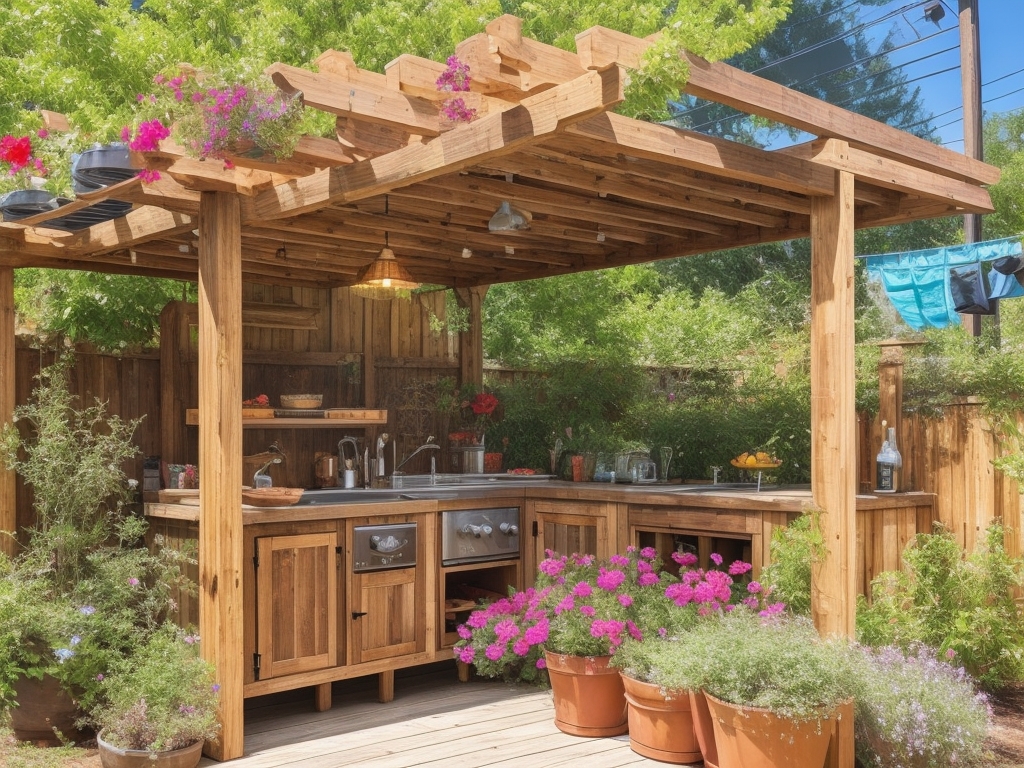
Constructed shade solutions offer versatility and instant shelter. For example, a pergola with retractable fabric roofing combines open-air charm with adjustable coverage, fitting diverse weather conditions and moods. Awnings extend from house walls, becoming functional art by defining patio space and shielding doors or windows. Peter, a homeowner in Arizona, shares that his retractable awning reduced his backyard heat by at least 15°, making afternoon barbecues bearable. Umbrellas, often underestimated, deliver mobile shade perfect for shifting sun angles; their ease of use adds spontaneity to your backyard routine. Each of these structures presents options in materials — from durable aluminum to classic teak wood — influencing durability and maintenance levels. Are you considering how the color of your shade cloth affects heat reflection? Light colors deflect more sunlight, keeping shaded areas cooler, a fact verified by numerous fabric manufacturers.
When combining natural and built shade, you create layered protection that enhances comfort and visual appeal. Each solution impacts temperature regulation, UV protection, and ambiance uniquely, so choosing based on your backyard’s layout, sunlight exposure, and lifestyle needs is essential. Adding shade turns your backyard into an inviting retreat where enjoyment and practicality meet effortlessly.
Environmental and Energy Advantages
Adding shade to your backyard brings substantial environmental and energy benefits. It moderates temperatures, conserves energy, and supports biodiversity, creating a backyard that’s eco-friendly and cost-effective.
Reduces Energy Consumption for Nearby Homes
Shade from trees and structures intercepts sunlight, reducing heat absorption by your home’s walls and roof. This cooling effect can lower indoor temperatures by as much as 10°F, cutting energy use for air conditioning by up to 30% according to the U.S. Department of Energy. Picture a large oak tree blocking searing afternoon sun; it acts as a natural air conditioner, decreasing your reliance on electricity and shrinking your utility bills. Not only does shade prevent overheating, but it also stabilizes temperature swings, reducing strains on HVAC systems. While some might see shade as merely decorative, its critical role in energy efficiency can’t be ignored — especially in hotter climates where cooling costs soar.
Supports Local Wildlife Habitats
Shade cultivated by native trees, shrubs, and pergolas fosters habitats for birds, pollinators, and small mammals. When you add shaded greenery, you create micro-ecosystems that provide shelter, food, and breeding grounds. For example, a backyard shaded by flowering dogwoods attracts butterflies and hummingbirds, enriching local biodiversity. Questions arise about the choice of plants: should you prioritize fast-growing species, or those native to your region that sustain wildlife more effectively? Both approaches carry advantages; native species generally require less water and maintenance while aiding the local ecosystem balance. Conversely, diverse shade structures can offer refuge in urban environments where green space is scarce. Your backyard becomes a crucial node in a broader ecological network, aiding species survival amid habitat loss.
While enhancing shade in your backyard could mean initial effort, the long-term energy savings and ecological impact make it an indispensable investment. Isn’t it time your outdoor space contributes positively to both your comfort and the planet’s health?
Design and Aesthetic Considerations
Adding shade to your backyard impacts more than just comfort; it shapes the overall look and feel of your outdoor haven. Thoughtful integration of shade elevates landscape design and defines your personal style.
Integrating Shade with Landscape Design
Shade structures and plants don’t merely offer shelter—they function as dynamic design elements that guide how you experience your backyard. Positioning a pergola near a flower bed, for example, frames vibrant blooms while providing filtered sunlight that helps plants thrive. You might find that a tree’s dappled shadows create natural visual breaks, enhancing privacy and layering depth in your garden. Ever noticed how the interplay of light and shadow transforms a space at different times of day? That’s a living design component working for you.
Incorporating shade strategically connects hardscape and softscape areas, creating flow and balance. When considering where shade fits, think how paths, seating zones, and play areas benefit from natural or structural cover. It invites you to linger longer outdoors, from morning coffee to evening gatherings. Remember, integrating a mix of deciduous trees and seasonal vines allows shade to shift with the sun—cooling you in summer while letting light warm the space in winter. Such nuanced design pulses with life and functionality.
Choosing Materials and Styles
Material choice for built shade solutions affects both visual harmony and durability. Wood, metal, and fabric each lend a distinct character that influences how your backyard feels. Wood beams stained warm brown complement earth tones and blend seamlessly with greenery, while sleek metal pergolas inject contemporary edge. Consider the play between solid roofs and latticed patterns – solid covers block sun and rain effectively but lattices keep breezes alive, both offering unique ways to sculpt your shade.
Styles vary from minimalist modern to ornate traditional, matching your home’s architectural language and your lifestyle needs. A retractable awning offers flexibility, adapting shade on demand while letting sunlight in when you desire it. Canvas umbrellas add pops of color and move easily, perfect for patios and poolside chill zones. Mixing materials builds texture and contrast but sticking to a palette no wider than three materials keeps the design cohesive.
As you plan, question: does this shade enhance the backyard’s narrative? Does it invite use and elevate mood? Shade isn’t only practical; it’s an aesthetic statement that reflects your taste while boosting property value. By integrating materials thoughtfully and syncing styles with your landscape, you create an outdoor space that’s both vivid and inviting—a personal retreat shaped by light, shadow, and texture.
Conclusion
Adding shade to your backyard is a smart way to boost comfort, protect your health, and elevate your outdoor living experience. It creates a cooler, more inviting space where you can relax and entertain without worrying about the harsh sun.
By thoughtfully choosing shade solutions that suit your style and needs, you’ll also enhance your yard’s beauty and value. Plus, you’ll enjoy long-term energy savings and contribute to a healthier environment.
Investing in shade transforms your backyard into a versatile retreat that you’ll want to spend more time in—making every moment outside more enjoyable and refreshing.

- How Much Does a Riding Lawn Mower Weigh? - January 9, 2026
- Can You Park Cars in Your Backyard? - January 3, 2026
- Understanding Drone Overflights and Privacy Concerns - January 3, 2026