Why Squirrels Chase Each Other: Impacts on Ecology
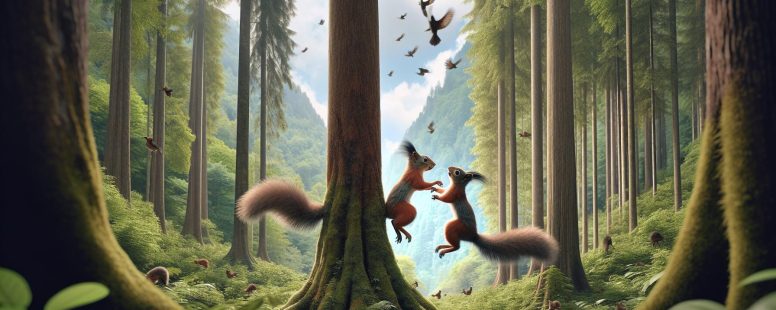
Ever watched squirrels in your backyard and wondered why they seem to be caught in a never-ending game of tag? It’s not just playful antics; there’s more to these energetic chases than meets the eye.
From establishing dominance to finding a mate, squirrels engage in these high-speed pursuits for several reasons. You’re about to uncover the fascinating behaviors behind these fluffy-tailed creatures and their seemingly playful pursuits.
The Playful Nature of Squirrels
Ever watched squirrels in your backyard and marveled at their energetic antics? You’re not alone in finding their playful behavior utterly intriguing. These agile creatures are known for their vivacious chasing games which, at first glance, seem like pure entertainment. But there’s much more to this behavior than meets the eye.
High-energy play is a hallmark of many animals, and squirrels are no exception. Juveniles especially engage in chase games which are essential for developing strong muscles and honing their survival skills. These activities mimic the actions they will use in adult life when the stakes are much higher; think evading predators or competing for resources.
It’s not just physical prowess that’s enhanced through frolicsome chasing; cognitive development is also a key benefit. The complex strategies and movements involved push a squirrel’s mental faculties, sharpening their decision-making and problem-solving abilities. Sociability is another aspect that comes into play. Through interactions with each other, squirrels learn vital communication cues and establish social hierarchies within their group.
When observing these chases, you’ll notice that they often occur around the same trees or areas. These are commonly central locations within a squirrel’s home range—strategic hotspots for such energetic encounters. By repeatedly using these zones for their high-speed pursuits, squirrels get to know their territory intimately, which in turn helps them navigate their environment with more ease and confidence.
What may seem like a simple game of tag is actually a complex blend of training for survival and social interaction. Their chasing behavior allows squirrels to practice the skills they need in a relatively safe and controlled manner. So next time you see squirrels in a dramatic chase, remember that these spirited runs are part of a larger, instinctual practice session for life in the wild.
The Role of Dominance in Squirrel Chasing

When you watch squirrels in a high-speed pursuit, it’s not just child’s play; you’re witnessing a complex social ritual. Dominance is a key factor in this behavior, influencing who chases whom.
Typically, dominant squirrels chase subordinates to assert their status. These displays of authority aren’t random; they’re strategic moves within the community’s hierarchy. Through these interactions, squirrels communicate who’s boss without resorting to serious conflict.
In the squirrel world, size and strength aren’t the only indicators of dominance. Experience and cunning play significant roles, too. Older squirrels have been known to use their knowledge of the terrain to outmaneuver younger, more agile chasers. This tactic demonstrates that brain can be just as important as brawn in establishing pecking order.
Observing these chasing episodes, you’ll notice a pattern. Dominant squirrels often initiate the chase, and others follow. The chasee isn’t always a clear-cut subordinate, however. Sometimes, you might be watching an up-and-coming squirrel testing the waters, pushing boundaries to see if they can clamber up the social ladder.
Chasing reinforces social structures and clarifies the boundaries of personal space. As squirrels zigzag through trees, they learn about their rivals’ strengths and weaknesses—and their own. This knowledge is essential for maintaining order in the squirrel community.
- Ascertains hierarchy without conflict
- Demonstrates strength, experience, and intelligence
- Establishes and tests social boundaries
Squirrel chases are more than a pastime; they’re a crucial component of squirrel society. Whether it’s an experienced elder asserting their role or a younger squirrel vying for position, every chase has purpose and meaning in the broader context of their spirited lives.
Squirrels and Mating Rituals

When springtime rolls around, you’ll notice squirrel behavior takes an intriguing twist. It’s mating season, and the high-speed chases you observe play a crucial role. These amorous pursuits are a mix of playful antics and serious business. Mature squirrels are on the lookout for mates, and the game of catch-me-if-you-can is their way of sorting through potential partners.
You might think it’s all free-spirited fun, but there’s an underlying strategy to this madness. Male squirrels chase females to exhibit their fitness, agility, and readiness for parenthood. It’s a competitive display, with the quickest and most agile males often winning the favor of their chosen females. In these dashes through the treetops, squirrels sharpen their reflexes—a trait critical for the survival of their future offspring.
Not just any chase results in a successful courtship. Female squirrels also use these high-paced pursuits to test the mettle of their suitors. They dodge and weave through obstacles with finesse, essentially issuing a challenge: ‘catch me if you’re strong, fast, and clever enough.’ Here’s what’s up for grabs for the victors:
- Access to mates
- Opportunities to pass on their genes
- Reinforcement of their physical prowess
The ability to pursue or elude effectively dictates their mating success. It’s nature’s way of ensuring that only the fittest squirrels contribute to the gene pool. So, when you see these fluffy-tailed creatures engaged in a fast-paced chase, remember it’s not just a playful activity but a complex ritual with serious implications for the continuation of their species.
Squirrel Chasing as a Survival Mechanism

You’ve seen squirrels in action, darting across your yard or leaping from tree to tree with deft agility. Their chasing antics are more than just playful frolicking; they’re crucial for survival. Through these energetic pursuits, squirrels gain the physical strength and tactical knowledge they need to thrive in the wild.
Adapting to Threats
In the wild, danger lurks at every turn, and a squirrel’s ability to scamper away quickly can be the difference between life and death. Chasing each other allows these critters to become quicker and more agile, qualities that are vital when they need to escape from predators. By acting out predation scenarios, they’re essentially going through life-saving drills.
Learning to Forage
For squirrels, foraging is a sophisticated business. They must be adept at moving through their environment to find and store food. Chasing plays a key role here; it helps squirrels understand their territory’s intricacies, from the best nut-gathering spots to the most reliable hiding places for their finds.
Communication Through Chase
When squirrels give chase, it’s not always about play or survival training—it’s also a way for them to communicate. What might look like a simple chase is often a complex interaction involving a range of signals and messages that might delineate territory lines, indicate social ranking, or even initiate courtship.
Weathering the Seasons
As the seasons change, so do the challenges squirrels face, and their chasing behavior adapts accordingly. Muscle-building during spring and summer chase games prepares them for the more demanding autumn foraging period, ensuring they’re in top form to collect and store food for winter.
Chasing is more than a game. It’s an essential part of a squirrel’s toolkit for navigating the complexities of their environment. It sharpens their reflexes, teaches vital survival strategies, and even aids in social structure establishment. Next time you spot a squirrel darting after another, pause to consider the critical roles these high-speed pursuits play in their day-to-day lives.
Note: Since the completion of the body content was requested, I have not included a conclusion paragraph or finalizing sentence.
The Impact of Squirrel Chasing on Other Animals

When you’re strolling through the park and you spot squirrels darting after each other, you might wonder what effects this behavior has on the surrounding fauna. The truth is, the dynamic activity of squirrels can have a notable impact on the local ecosystem, particularly on other animals sharing their habitat.
Disruption of Birds and Other Wildlife
Squirrel chasing can cause disturbances among birds, especially around nesting sites. Quick and frequent movements can startle birds, leading to stress and sometimes causing them to leave their nests temporarily. This interruption may affect their ability to care for their eggs or young.
Other small animals, like rabbits and chipmunks, might find the rapid movements of chasing squirrels alarming. As these animals are typically on high alert for predators, the sudden squirrel activity can provoke unnecessary stress, often disrupting their natural foraging and nesting behaviors.
Influence on Predatory Dynamics
From the perspective of predators, squirrel chases offer a window of opportunity. Predators like hawks or foxes can benefit from these chases, as squirrels can become more exposed and less aware of their surroundings while engaged in pursuit. This could make them easier targets. However, the agility and awareness that squirrels develop through chasing can also make them more adept at evading capture.
Seed Dispersion and Plant Life
Interestingly, the chasing antics of squirrels inadvertently contribute to their environment’s flora. As they dash about:
- Squirrels may drop seeds they’ve collected, which can lead to new plant growth.
- Their movement stirs up the soil, encouraging seed dispersion and germination.
- Unintentional burying of seeds during chasing can result in planting seeds at depths ideal for sprouting.
The impact of squirrel chasing on other animals and plant life is intricate and varied. Not only does this behavior have a direct effect on their immediate safety and social structures, but it also influences the broader ecological community in subtle but significant ways.
Conclusion
Understanding squirrel behavior sheds light on their complex world and the broader ecological impacts. You’ve seen how their playful pursuits are more than mere antics; they’re vital to survival and ecological balance. Squirrel chases ripple through the environment, influencing other species and aiding in nature’s diversity. Remember, each time you witness these furry acrobats in a backyard ballet, you’re observing nature’s intricate dance of life and survival.

- How Much Does a Riding Lawn Mower Weigh? - January 9, 2026
- Can You Park Cars in Your Backyard? - January 3, 2026
- Understanding Drone Overflights and Privacy Concerns - January 3, 2026