Do Squirrels Eat Mice? Unveiling Their Diet Secrets
When you picture a squirrel, you likely imagine a cheeky critter scampering up trees and hoarding nuts, not hunting prey. But nature’s full of surprises, and the diet of these bushy-tailed animals may just raise your eyebrows. It’s time to delve into the lesser-known dining habits of squirrels and answer a question that might have you rethinking these fluffy foragers: Do squirrels eat mice?
You’re not alone if you find yourself puzzled by the thought of squirrels preying on mice. After all, they’re the epitome of cute and cuddly. But in the wild, survival often leads to unexpected behaviors. Let’s unpack the reality behind the diet of squirrels and explore whether these adorable rodents have a carnivorous side you’ve never seen.
The Surprising Diet of Squirrels
When you think of squirrels, you probably imagine them munching on acorns or scampering around the park hoarding nuts, but their diet often goes beyond what meets the eye. These creatures are more versatile eaters than most people realize.
Omnivorous Habits
Squirrels are classified as omnivores, which means they eat both plant and animal materials. Their diet can vary greatly depending on their environment and what’s available to them. In urban areas, where natural food sources can be scarce, squirrels have been known to broaden their dietary horizons significantly to ensure their survival.
Dietary Adaptations
With the change of seasons, squirrels adapt their foraging habits. They’re seen feasting on a variety of fruits, seeds, and even insects. Come winter, when resources are slim, they may turn to more unconventional food items like fungi or tree bark.
Predatory Behavior
It might startle you, but squirrels have been spotted engaging in predatory behavior. When push comes to shove, these animals can get desperate enough to hunt smaller rodents, including mice. This behavior is not their norm, but it is a survival strategy during food shortages.
Nutrition and Survival
The protein from other animal sources can be essential for squirrels, especially for nursing females who require extra nutrition. By occasionally supplementing their diet with animal protein, squirrels ensure they’re getting all the nutrients they need to thrive.
Remember, while squirrels prefer a herbivore-friendly menu, nature dictates that they must be adaptable. Whether they’re snacking on plant matter or, less commonly, indulging in a mouse, their ultimate goal is survival. This adaptability is key to their success across various ecosystems.
It’s this surprising dietary flexibility that has allowed squirrels to flourish in both rural and urban settings, painting a more complex picture of their feeding habits than what’s commonly known. So, the next time you spot a squirrel, consider the complex dietary decisions it makes every day to stay alive and well.
Understanding the Natural Behavior of Squirrels

When you’re observing the bustling activity of squirrels in your backyard, you might notice how these creatures are always on the move. They’re constantly foraging, and their diets are a testament to their flexible survival strategies. Squirrels are guided by instinct and necessity, and this often leads them to adapt their behavior according to their needs and the resources available in their environment.
These furry mammals have a reputation for being predominantly plant-eaters, munching on a myriad of options like:
- Nuts
- Fruits
- Seeds
- Bark
However, their diet isn’t limited to just plant matter. When the pickings are slim, and the squirrels are facing food scarcity, they’re known to exhibit opportunistic feeding behaviors. This is when they tap into their less-known omnivorous side.
If you think a squirrel’s day is only about scampering up trees and chasing each other in a playful manner, you’re seeing only one side of the coin. Their survival instincts can take them down a path less expected. For instance, squirrels have been spotted preying on small insects, eggs, and yes, even small rodents like mice. In the quiet of the woods or the unnoticed corners of city parks, squirrels can become hunters.
While it may be startling to picture a squirrel hunting, it’s a natural behavior rooted in the animal’s drive to survive, especially during harsher seasons when traditional food sources are scarce. The variety in their diet is a nod to their adaptability and ability to thrive in diverse habitats. Whether it’s in the dense foliage of a forest or the landscaped gardens of urban terrain, squirrels show remarkable resourcefulness.
To really grasp why squirrels might turn to eating mice, one must appreciate their complex ecosystem interaction. They’re not only fluffy acrobats of the trees but also resilient survivors with an extensive and sometimes surprising menu.
Exploring the Squirrel-Mice Relationship

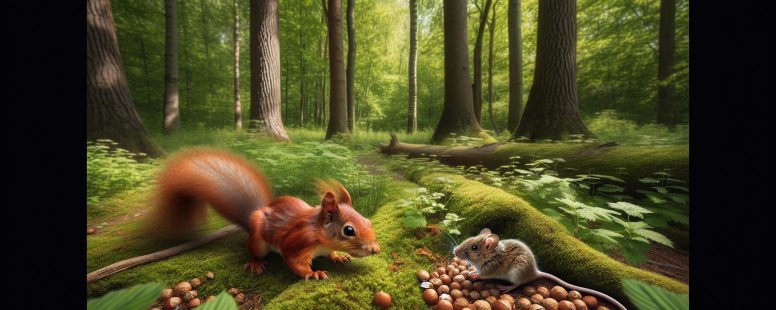
You might wonder how these common backyard critters interact, especially considering their dietary overlaps and shared habitats. While squirrels are not typically thought of as predators, their interactions with mice shed light on the complexities of their diet and survival strategies.
Squirrels typically prefer a diet of nuts and seeds, but don’t let this herbivorous image fool you. When push comes to shove, these creatures show their adaptable nature. During lean months, when the bounty of acorns and berries dwindles, squirrels become less finicky about their food sources. This is when the predator instinct can kick in, and yes, that can lead to squirrels preying on unsuspecting mice.
These interactions aren’t daily occurrences, and they don’t mark squirrels as ruthless hunters. Instead, think of them as pragmatic foragers that make use of the resources around them. Mice, being small and often within reach, become targets out of necessity more than preference.
In wooded areas where squirrels and mice coexist, you’ll notice that these animals have complex relationships. Squirrels will forage for plant-based food but will also keep an eye out for other opportunities. It’s this opportunistic behavior that shapes their interaction with mice.
- During times of abundance, squirrels rarely hunt mice.
- As opportunistic feeders, squirrels may turn to mice in scarce conditions.
- They don’t actively hunt like true predators but will not pass up an easy catch.
Understanding the relationship between squirrels and mice gives you a window into the survival mechanisms these animals employ. It highlights the intricate balance between different species within an ecosystem and the sometimes-surprising behaviors that ensure their survival. Rather than seeing squirrels as the fluffy acorn gatherers of popular conception, it’s worth recognizing their resilience and adaptability in the face of ever-changing environments.
Do Squirrels Really Eat Mice?

You may be surprised to learn that the cute and fluffy squirrels in your backyard have a bit of a wild side. While they’re known for nibbling on nuts and seeds, their diet isn’t limited to just plant matter. Squirrels are omnivores, which means they’ll eat both plants and animals when necessary.
In the wild, food isn’t always abundant. During lean times, squirrels have adapted to be less choosy about their meals. This is when their omnivorous nature shines. A squirrel’s primary motive is survival, and if that means snacking on a mouse, so be it. But don’t get it twisted; they don’t hunt mice like predators do. Rather, they might take advantage of what’s available – and sometimes, that’s a mouse.
Let’s set the record straight: squirrels don’t prefer eating mice over their usual vegetarian feasts. However, they’re savvy survivors with an instinct for endurance. They’ll use their intelligence and agility to snag various food sources, especially in the absence of their favorite treats. Think of them as the ultimate opportunists in the animal kingdom.
Their consumption of mice is a rare event and often stems from the need to supplement their diet with protein. Squirrels are also known to eat insects and eggs for the same reason. This adaptability makes them particularly successful in various environments, from deep forests to urban parks.
Watching a squirrel forage can give you insight into their complex eating habits. They might scurry up a tree with an acorn one second and inspect a deserted bird’s nest the next. This behavior points to their flexible diet strategy.
- Key takeaway: Squirrels will eat mice, but it’s out of necessity rather than preference.
By understanding the dynamics of a squirrel’s diet, you get a glimpse into their survival strategies. Instead of labeling them strictly as plant-eaters, it’s accurate to consider them as adaptable foragers that assess and optimize their food sources in response to what’s on hand. It’s this resourcefulness in squirrels that speaks volumes about their role in the ecosystem.
Unveiling the Carnivorous Side of Squirrels

You might not associate the cute, bushy-tailed squirrels you see scampering through your backyard with predatory behavior, but these animals have a surprising side to them. Within the varied diet of a squirrel, the consumption of meat is a lesser-known fact that’s essential for their survival.
Squirrels are often seen munching on nuts and seeds, which gives the impression that they’re strictly herbivores. However, their dietary habits are more complex than you might think. With their strong survival instincts, squirrels don’t shy away from incorporating protein in the form of insects, small birds, and on rare occasions, mice.
The Opportunity Drives the Diet
The primary factor that influences a squirrel’s shift toward carnivory is the accessibility of food. Seasons change, and so do food sources. During months when plant-based nourishment is in short supply, squirrels must adapt, and that’s when they might turn to hunting small rodents.
- When food is plentiful, squirrels stick to a diet of fruits, nuts, and seeds.
- In lean times, their omnivorous nature becomes evident as they hunt for insects and small vertebrates.
The Aspect of Predation in Squirrels
The act of squirrels preying on mice is not common and is mostly driven by the need to survive. It’s an intriguing part of their behavior that underscores how adaptable these creatures are. You may think of squirrels as harmless gatherers but don’t let their charming demeanor fool you; they’re equipped with keen senses and sharp incisors, making them capable hunters when the situation demands.
Interest in this particular aspect of squirrel behavior has grown, revealing that squirrels will indeed partake in meat consumption to fulfill their dietary requirements. This adaptability not only showcases their survival skills but also places them as a fascinating subject within the animal kingdom for their ability to switch between trophic levels, acting as both prey and predator.
Conclusion
You’ve uncovered the unexpected truth about squirrels and their dietary habits. They’re not just the nut-gathering creatures you might have thought—they’re adaptable survivors. When push comes to shove, squirrels will do what’s necessary to sustain themselves, even if that means preying on mice. Remember, it’s not their go-to meal but a survival strategy. This revelation not only adds depth to your understanding of these resourceful animals but also serves as a reminder of the complex dynamics within our ecosystems. So the next time you spot a squirrel, you’ll appreciate the intricate layers of their existence, beyond the charming antics and fluffy tails.

- How Much Does a Riding Lawn Mower Weigh? - January 9, 2026
- Can You Park Cars in Your Backyard? - January 3, 2026
- Understanding Drone Overflights and Privacy Concerns - January 3, 2026