Do Squirrels Eat Walnuts? Nutty Facts & Feeding Tips
Ever wondered what’s on the menu for those bushy-tailed acrobats in your backyard? You’re not alone. Squirrels are notorious for their varied diet, but when it comes to walnuts, they’re in a league of their own. These little critters have a penchant for nuts, and walnuts are often a top pick.
As you watch them scurry up trees and leap across branches, it’s clear that squirrels have energy to burn. And what better fuel than the mighty walnut? Rich in nutrients and encased in a challenge-worthy shell, walnuts provide both sustenance and entertainment for these agile animals.
Unlocking the secrets of a squirrel’s diet not only satisfies your curiosity but also helps you understand and coexist with your furry neighbors. So let’s dive into the world of squirrels and walnuts, and discover what makes this nut a squirrel’s delight.
The Varied Diet of Squirrels
While walnuts are a definite favorite, squirrels aren’t picky eaters. Their dietary habits are as diverse as the environments they inhabit. From fruits to fungi, these adaptable creatures make do with what’s available seasonally.
In urban settings, where natural food might be scarce, squirrels often rely on human-provided sources. Bird feeders become opportune snack stations, and discarded food items are unexpected treats. Your leftover pizza crust or apple core? Prime squirrel cuisine in the city.
In wooded areas, a squirrel’s diet shifts dramatically.
What Do Squirrels Eat in the Wild?
- Nuts and Seeds: Besides walnuts, they relish almonds, pecans, and acorns.
- Fruits: Apples, oranges, and berries are sweet choices.
- Vegetation: Leafs, twigs, and even the occasional flower bud.
- Insects: A source of protein, snacking on small bugs is common.
- Bird Eggs: When available, they provide a much-needed nutrient boost.
These resourceful foragers are known for their preparatory behaviors, too. They stash away food items, like walnuts, in various secret caches, ready to be unearthed when cupboards run bare.
Squirrels’ Impact on Plant Growth
Their forgetfulness benefits more than just their hunger. Buried nuts and seeds that are never retrieved contribute to new plant growth, helping forests regenerate. This inadvertent act of sowing ensures that squirrels play a vital role in maintaining the ecosystem.
What dictates a squirrel’s menu is a mix of opportunity, nutritional requirement, and sometimes sheer curiosity. They’ll taste test just about anything that resembles food, but they’ll favor items that satisfy their need for fats, proteins, and carbohydrates.
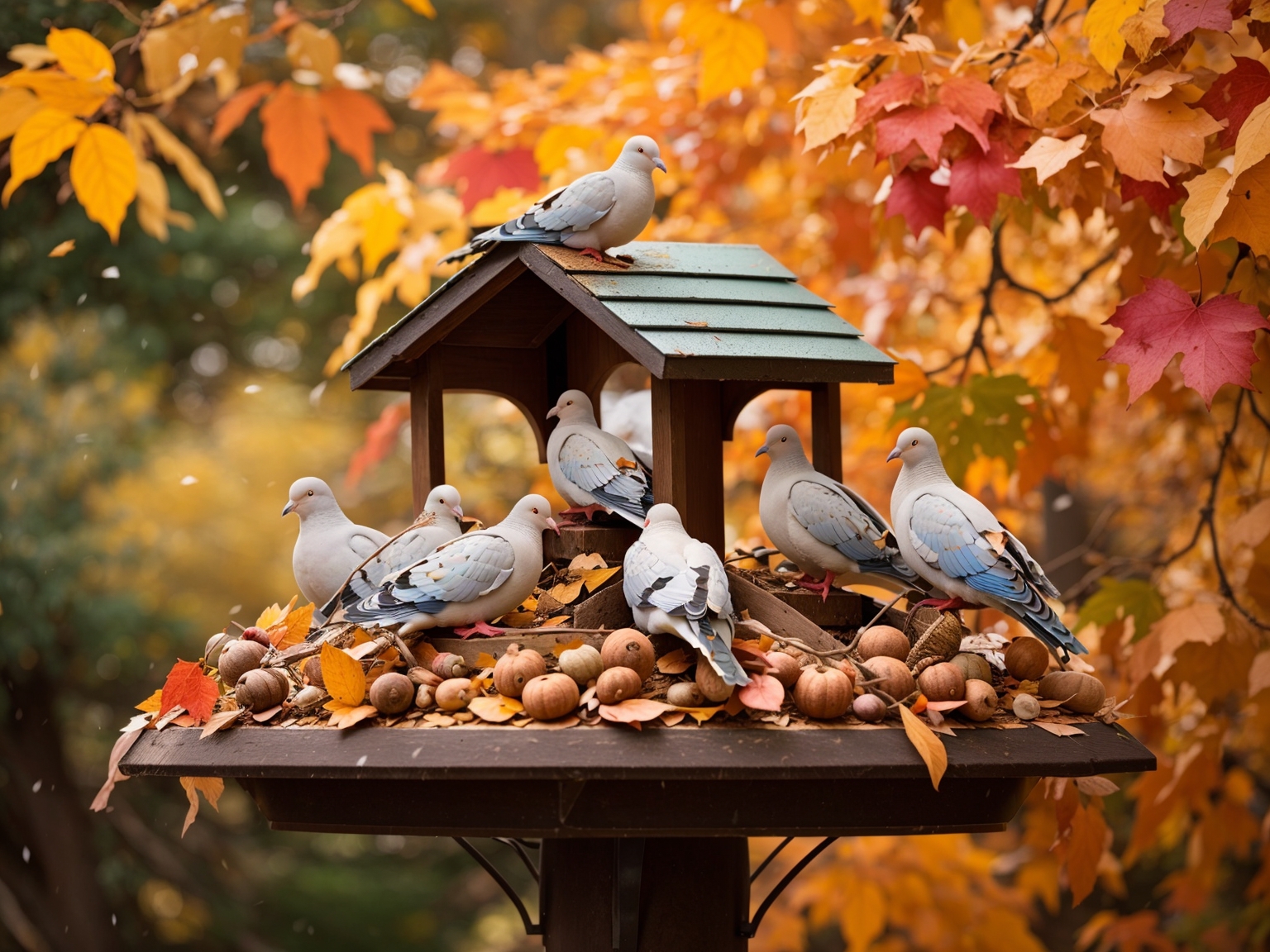
Should you find yourself in a squirrel’s neighborhood, you’ll observe a mix of these dietary choices, as varied as the colors of autumn leaves. While they might be on the hunt for the perfect walnut, they’re equally content unearthing a hidden acorn or nibbling on the edge of a pumpkin.
Watching their eating habits is more than a quaint pastime—it offers a glimpse into the complexity of nature’s web where each creature, no matter how small, has its role and preferences.
The Fascination with Walnuts

Squirrels have a well-documented affinity for walnuts, and you might wonder why these nuts are such a hit with these agile creatures. Walnuts are rich in nutrients and provide the high calories these energetic animals need. Also, their hard shell makes them ideal for storage and the perfect snack for a squirrel’s winter cache.
Walnuts stand out in the squirrel’s diet for several practical reasons.
- They’re sizable, which means more food per shell.
- The hard exterior keeps the nut fresh for longer.
- Their nutritional profile includes fats, protein, and carbohydrates, making them a balanced source of energy.
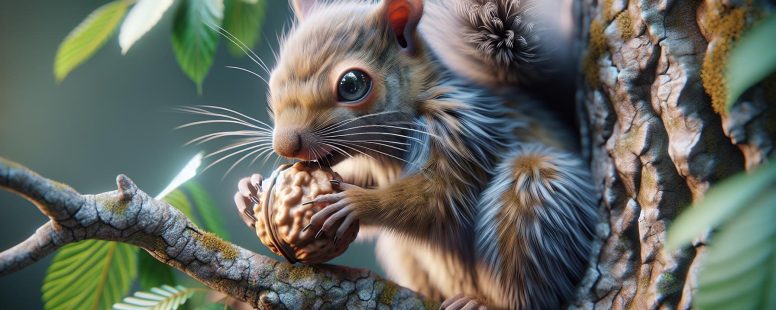
When you see a squirrel handle a walnut, you’re witnessing a master of dexterity. Their sharp incisors effortlessly work through the shell, a testament to their evolutionary adaptation to such a diet.
Consider the role of walnuts in the bigger picture of an ecosystem. As squirrels stash walnuts away and occasionally forget about them, they inadvertently plant future walnut trees. Each forgotten nut has the potential to sprout, which contributes to the growth of forests and the spread of walnut trees. These actions reinforce the squirrels’ role as accidental arborists, ensuring the continuation of woodland areas.
Observing a squirrel’s behavior with walnuts reveals much about their instincts and survival strategies. They’ll assess and select the finest nuts, showcasing their innate ability to discern food quality—a skill critical for their survival during leaner times.
As squirrels navigate their ever-changing habitats, they continue to seek out walnuts. Next time you spot a squirrel with a walnut clasped in its paws, take a moment to appreciate the simple yet sophisticated interaction between animal and nut—a small but significant illustration of nature’s interconnectedness.
The Energy of Squirrels

When you spot a squirrel zipping up a tree with a walnut clasped in its mouth, it’s more than a cute spectacle—it’s a glimpse into the intense energy demands these creatures face. Squirrels need a hefty dose of calories to keep up with their hyperactive lifestyle, and walnuts are like high-octane fuel for them.
Their day is packed with activities that burn through energy at a breakneck pace. From darting across branches to evading predators and enduring the elements, squirrels are in a constant state of motion. Walnuts, with their rich stores of proteins and fats, are key to satisfying the squirrel’s caloric needs.
But it’s not just about the energy. Squirrels have evolved to be master planners. Storing walnuts for the colder months is a strategic move showcasing their foresight. Think about it—when food is scarce and the bitter cold sets in, those walnuts hidden away in various caches can mean the difference between survival and starvation.
Interestingly, the very act of shuffling through their hidden stores to retrieve these nuts keeps squirrels on the move, further fueling their need for a nutrient-dense diet. Their remarkable knack for remembering where they’ve stashed their nuts—although not perfect—also reflects their sharp cognitive skills.
While you watch these furry acrobats in action, consider the critical role that an energy-packed diet plays in their day-to-day existence. Walnuts serve as the perfect snack to charge their battery and keep them zooming through their high-energy lifestyle.
As urban development encroaches on natural habitats, it’s worth noting how such simple dietary preferences have greater implications. The drive to find and store walnuts ensures that squirrels remain an active and visible part of our neighborhood ecosystems.
Watching squirrels indulge in their favorite treat isn’t just entertaining; it’s a direct observation of the intricate balance nature maintains through these seemingly insignificant interactions. Every walnut collected is a piece to a larger puzzle in understanding the vast energy network that sustains our wildlife.
The Nutritional Benefits of Walnuts

When you’re munching on walnuts, you’re not just enjoying a tasty snack—you’re benefiting from a powerhouse of nutrients that pack a serious punch for your health. Squirrels may be onto something with their walnut fixation, and here’s why.
Walnuts are loaded with healthy fats—specifically omega-3 fatty acids. These aren’t just good for your heart; they can also work wonders for reducing inflammation and maintaining a healthy cholesterol level. Snacking on walnuts provides you with a rich source of alpha-linolenic acid (ALA), a plant-based omega-3 vital for body functions.
Protein is another key player in the walnut’s nutritional profile. These robust nuts offer a valuable plant-based protein source, making them an ideal dietary addition for anyone looking to bolster their protein intake without relying on meat.
Walnuts are brimming with antioxidants too. These compounds help combat oxidative stress, which can damage your cells and lead to various chronic diseases. By incorporating walnuts into your diet, you could be supporting your body’s defense against these harmful conditions.
Here’s a snapshot of the key nutrients per 1 oz (28 grams) of walnuts:
| Nutrient | Amount |
|---|---|
| Calories | 185 |
| Protein | 4.3 g |
| Fat | 18.5 g |
| Carbohydrates | 3.9 g |
| Fiber | 1.9 g |
| Omega-3 Fatty Acids | 2.5 g |
Remember, walnuts aren’t just a quick bite; they’re a contributing factor to brain health, too. The nutrients found in walnuts, like vitamin E, folate, and melatonin, aren’t only essential for maintaining cognitive functions—they’re also suggested to aid in improving memory.
Last but not least, minerals play a crucial role, and walnuts bring plenty to the table, including magnesium, phosphorus, and manganese. Regularly adding walnuts to your diet means you’re supplying your body with these important minerals, each serving vital functions like bone health and energy production.
The Entertainment Value of Walnuts

Ever wondered why watching squirrels with walnuts seems so captivating? Beyond their nutritional value, walnuts serve as a source of fun for these agile creatures. While you might consider walnuts solely as a healthy snack, squirrels see them as objects of play and mental stimulation.
Squirrels handle walnuts with impressive dexterity, using their paws much like you would use your hands. This activity keeps their minds sharp and bodies agile, offering both a physical workout and a cognitive challenge. Observing squirrels as they interact with walnuts can be unexpectedly entertaining. They roll, chase, and sometimes even perform acrobatics with these nutritious treasures before burying them for later.
Spending time in a green space, you’ll notice these critters in action. Squirrels often prefer to play with objects that mimic the hardness and size of walnuts, suggesting that there’s something inherently engaging about these nuts to them.
- Squirrels learn how to gauge the weight and balance of walnuts.
- They practice the art of hiding and retrieving, which mirrors natural foraging behavior.
Watching a squirrel figure out how to crack open a tough walnut shell is like watching a little drama unfold. The perseverance and ingenuity they display are reminiscent of the challenges you might tackle, making the act of observing them both relatable and delightful.
What’s more, the presence of walnuts in your backyard might support local wildlife and give you front row seats to these playful antics. Positive experiences with nature can reinforce your connection to the environment, and fostering a spot where squirrels can freely indulge in their walnut escapades contributes to this bond.
Remember, while squirrels derive joy from playing with and eating walnuts, ensure that their presence doesn’t harm your own enjoyment or property. Keeping a balanced relationship with nature means having fun watching these animals without letting them become a nuisance.
Understanding Squirrels and Coexistence

When it comes to living in harmony with squirrels, it’s vital that you understand their behaviors and needs. Squirrels naturally seek out food sources and safe environments for nesting. If your yard has walnut trees, it’s like a welcoming sign for these energetic rodents. You’ll likely observe them foraging for nuts to nibble on or store away for later.
Creating an environment that’s beneficial for both you and squirrels means striking a balance. Here are some tips to maintain that peaceful coexistence:
- Provide Natural Food Sources: Rather than leaving out processed foods, let squirrels feast on what they’d usually find in the wild. This includes walnuts, of course, along with other nuts, seeds, and native plant species.
- Keep a Clean Yard: Fallen nuts and debris can attract more squirrels than you might be comfortable with. Regularly cleaning up can help manage their presence.
- Secure Your Home: Patch up any holes or entry points that squirrels might see as an invitation to set up residence in your attic or walls.
- Respect Their Space: While it can be fun to watch squirrels, getting too close can stress them out. Keep a respectful distance and use binoculars if you want a closer look.
Squirrels have impressive memories for where they’ve hidden nuts, leading to entertaining displays of their search techniques. Watching these creatures in action can be a delightful way to connect with nature. Their agility and inventiveness are a joy to observe, from the tactical burying of a walnut to the spirited chasing of a peer through the branches.
Consider installing a squirrel feeder at a good distance from your home if you enjoy their antics. Fill it with walnuts and observe as it becomes a hub of squirrel activity. Not only does this keep the squirrels from relying on your garden, but it also provides a designated spot for you to enjoy their playful behavior.
Remember: Attracting squirrels with walnuts or other treats should be done responsibly. Always be mindful of their natural habits and ensure that any human-squirrel interactions are safe and respectful.
Conclusion
You’ve learned that not only do squirrels savor walnuts, but these nuts also offer them substantial nutritional benefits. By understanding their behaviors and dietary needs, you can foster a harmonious existence with these energetic creatures. Remember, creating a welcoming environment through natural food sources and a tidy yard is key. Moreover, setting up a squirrel feeder could provide endless entertainment and a special chance to witness the joy of nature right outside your window. Just be sure to engage with our furry friends thoughtfully, ensuring interactions are safe and respectful for everyone involved.

- How Much Does a Riding Lawn Mower Weigh? - January 9, 2026
- Can You Park Cars in Your Backyard? - January 3, 2026
- Understanding Drone Overflights and Privacy Concerns - January 3, 2026