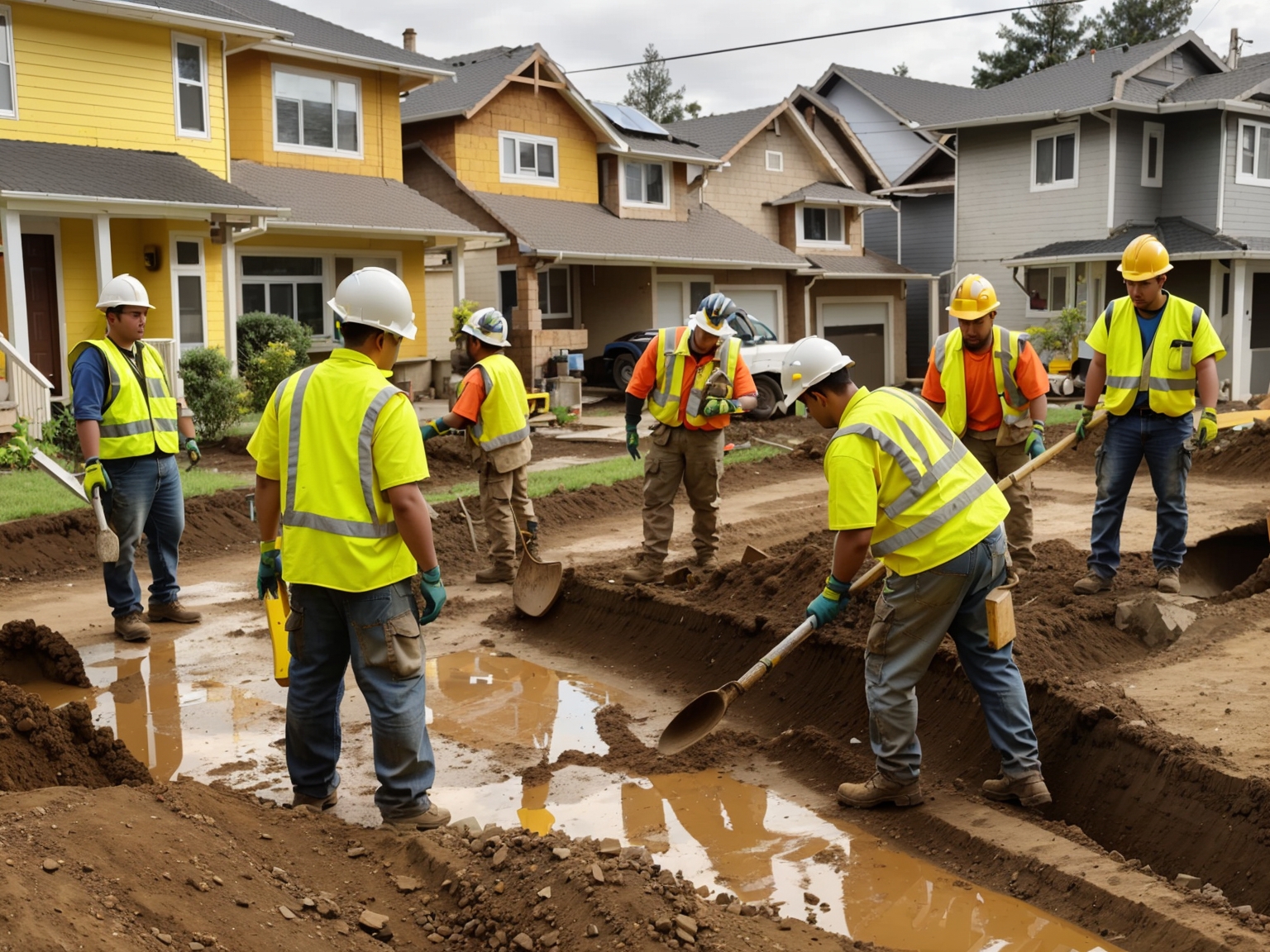
Digging Deep: Your Comprehensive Guide to Backyard Excavation Depths and Safety Practices
Ever wondered just how deep you can dig in your backyard? It’s a question that might seem simple, but the answer is far from it. Before you grab your shovel and start digging, there are quite a few factors to consider.
Understanding the Concept: How Deep Can I Dig in My Backyard?
You’re about to begin on a journey that requires more than just your trusty shovel. The depth you can dig into your backyard isn’t solely determined by physical effort, but also involves understanding legal restrictions and safety practices.
Background: Why You Might Want to Dig
There’s an array of reasons as why one would want to get their hands dirty digging deep in the backyard. Maybe it’s for installing a swimming pool or setting up fence posts, maybe even constructing an underground shelter! Each project comes with its own set of guidelines about how deep you are allowed to go beneath surface level.
For instance:
- Installing a septic tank system typically necessitates excavations between 4 feet (1.22 meters) and 10 feet (3.05 meters).
- Erecting fence posts often require holes around 2 feet (.61 meter) deep.
- Building basements usually demands digging down at least 8 ft(2.44 m).
These depths aren’t arbitrary; they’re chosen considering factors like stability, frost line penetration levels among others.
The Importance of Safe Digging Practices
Digging may seem simple yet it carries significant risks if not conducted properly; hence safe digging practices are essential while venturing below ground level.
Key aspects include:
Identifying Utility Lines: Underground utility lines such as electricity cables or gas pipelines could be buried anywhere from inches to several feet below soil surfaces which pose substantial risk when disrupted during excavation operations
Wearing Appropriate Safety Gear: Helmets, gloves along protective eyewear should be worn throughout any excavation activity preventing injuries caused due falling debris etc
Legal Considerations for Digging Deep in Your Backyard
Delving into the depths of your backyard involves more than just physical effort. It also requires you to navigate through a maze of local laws and permits. Let’s investigate deeper!
Understanding Local Zoning and Property Laws
It’s vital to understand your local zoning codes before digging deep holes or trenches in your yard, as these regulations dictate what structures are permitted on different types of land use zones. For instance, some residential areas prohibit any form of construction below a certain depth.
Plus, property lines can be another legal hurdle when it comes to excavating activities in your backyard. You’d want to ensure that you’re not encroaching onto neighboring lands with either surface-level constructions or underground works like tunnels or pipelines.
To illustrate this point better: Imagine if every homeowner decided they could dig down 20 feet without checking their property boundaries first! The chaos would likely ensue from potential disputes over subsurface rights among neighbors.
Getting familiarized with these rules helps prevent potential legal issues down the line (pun intended). Hence, contact your city’s building department for information about specific zoning ordinances about excavation work at home properties within its jurisdiction.
Permits and Other Necessities
Securing necessary permits is an essential part of legally carrying out any substantial digging project on private properties such as backyards—regardless if it’s setting up fence posts which usually require shallow digs around 2 feet deep or installing septic tanks that need between 4-10 foot-deep excavations per industry standards.
Remember this simple rule: No permit often equates no-go-zone for starting big projects involving ground disturbance until all regulatory requirements have been met satisfactorily by authorities concerned including safety measures implementation plan presentation prior launching operations onsite thereby ensuring safe working conditions throughout duration thereof amongst other things required under law enforcement supervision scheme commonly practiced across US jurisdictions today concerning outdoor soil moving activities.
This means before you even pick up that shovel, it’s crucial to check with your local government agency or homeowner’s association (if applicable) about what permits are needed for the kind of digging project you’re planning. Also, make sure to get in touch with a utility locating service like Call 811 – they’ll help identify and mark any underground utilities in your yard so that there won’t be accidental hits during excavation.
Physical Limitations of Digging in Your Backyard
Your backyard might seem like a small world, but it’s an arena filled with numerous physical challenges when you decide to dig. The soil type and weather conditions play significant roles that could affect how deep your shovel can go.
Soil Types and Their Impact on Digging
Understand the ground beneath! Different types of soil impact digging efforts differently. For instance, sandy or loamy soils are typically easier to dig through than clay-rich soils or those laden with rocks.
- Sandy Soils: They’re loose by nature, making them relatively easy for shoveling activities; but, their very structure makes maintaining deeper holes difficult without proper support.
- Clay Soils: These offer more resistance due to their compactness but hold shapes well once dug out.
- Rocky Terrains: You’ll encounter high difficulty levels here as removing larger stones may require heavy-duty tools beyond conventional garden equipment.
Remember – always examine your yard’s earth before embarking on any serious excavation projects!
Weather Conditions Affecting Dig Depth
Mother Nature plays her part too in this digging game! It isn’t just about grabbing a spade – different weather conditions influence the ease and safety of your project significantly:
- Dry Spells: Dry seasons harden the soil leading to challenging excavations unless water is added artificially (but remember not overdo it!)
- Rainfall-Heavy Periods: While rain softens up grounds facilitating initial stages of digging; continuous downpour could make pits muddy causing instability issues if care isn’t taken.
3 . Freezing Temperatures: Frost forms an icy layer atop which turns into rock-like surface becoming near impossible penetrate using basic hand-tools alone .
Practical Issues When Digging Deep in Your Backyard
Exploring through the complexities of backyard digging isn’t just about depth restrictions and zoning laws. Equally important are practical considerations, like avoiding damage to utilities or managing soil instability.
Potential for Damaging Utilities
Diving into a new excavation project? Remember, your yard’s not just dirt—it’s home to crucial utility lines too. Buried beneath your feet lie water pipes, gas lines, electrical cables and more—each holding potential disaster if damaged during digging.
For instance:
- Striking an electric line could lead to power outages—or worse—a dangerous shock.
- Hitting a gas pipe might result in leaks that pose serious fire hazards.
- Puncturing sewerage pipes can cause unpleasant spills with significant cleanup costs.
So how do you steer clear of these pitfalls? Start by calling up local utility companies—they’ll typically mark out their respective underground installations free-of-cost. Or better yet: use nationwide services such as Call 811 before any major digging activity begins—that’s right – it’s one call away!
Risks of Cave-ins and Soil Instability
Now onto another stumbling block when aiming low – unstable ground conditions leading to cave-ins. Not only does this slow down progress but poses grave safety threats too—for you’re at risk from being buried under collapsing earth walls—an incident common enough amongst unprepared diggers!
Take note: different types of soils have varying degrees of stability:
| Type | Stability |
|---|---|
| Sandy Soil | Low |
| Clayey Soil | High |
While sandy soil is easier on the shovel due its loose nature; clay-based soil stands firm against collapse—but both come bearing challenges! If working with sand be prepared for constant collapses whilst attempting deeper digs—and don’t forget—if dealing with clay—you’ll need some hefty muscle behind each scoop!
Finally remember—even the best-planned excavations can encounter surprises! It’s essential to regularly reassess your dig site for changes in soil stability and make adjustments as necessary. Safety, after all, should always be a priority when digging deep into the earth.
Potential Consequences and Risks
Delving deeper into the topic, let’s now address some potential consequences and risks associated with digging deep in your backyard. These include environmental impacts as well as health and safety concerns.
Environmental Impact of Digging Deep
Digging profoundly affects both immediate surroundings and larger ecosystems. For instance, excavations can disrupt soil layers, affecting microorganisms vital for nutrient cycling – think earthworms that aerate soil or bacteria breaking down organic matter.
Also, if you’re uprooting vegetation while digging holes, it may lead to erosion over time. Without plant roots holding the ground together—think a soccer team without its goalkeeper—the topsoil is prone to being washed away by rainwater runoff or blown off by wind currents.
Also, large-scale digs could potentially impact local groundwater systems depending on depth reached —like how drinking too much water might make you visit the restroom more often than usual! The disturbance created can alter natural water pathways underground; an example includes disrupting aquifers which serve as crucial reservoirs for many communities’ fresh-water supply.
Finally yet importantly are implications towards wildlife habitats: burrowing animals such as rabbits or moles may see their homes destroyed through excavation works like unintentionally destroying someone’s home when demolishing a building wall believing it was just another brick wall!
Health and Safety Risks
Turning our attention from environmental impacts to personal dangers lurking around excavation sites–it’s not all fun-and-games once we start unearthing what lies beneath!
Foremost among these risks is physical injury: tripping hazards abound at dig sites due primarily uneven surfaces – imagine running hurdles but blindfolded! Plus there exist chances encountering sharp objects hidden underneath (similar stumbling upon broken glass beach), risk of falling debris during operations akin walking under construction scaffolding ignoring “Hard Hats Required” sign posted clearly entranceway).
Worse still would be getting trapped within dug-out areas due to unexpected collapses—think an amateur spelunker entering a cave without appropriate gear and then experiencing sudden landslide!
Exposure to hazardous materials also poses serious concern. In urban settings, old properties may have buried waste or contaminated soil that can release harmful substances upon excavation – it’s like finding rotten food in your fridge; the sight is unpleasant but inhaling those fumes could be downright dangerous.
Finally comes potential strain from manual labor itself: repetitive digging motion often leads musculoskeletal injuries akin playing guitar for hours straight ending up with painful hand cramps! Hence always remember using correct lifting techniques while wielding shovels minimizing chances such physical setbacks occurring.
Hence, before embarking on any deep-digging adventure backyard bear mind these possible consequences ensure proper safety measures are put place preventing mishaps turning dream project into nightmare scenario.
Preserving the Integrity of Your Backyard
As you dig deep into your backyard, it’s vital to maintain its integrity. This requires strategic planning and adopting suitable digging methods while also adhering to safety practices.
Suitable Digging Methods
For successful excavation in your backyard without causing significant disruption or damage, a variety of factors influence the choice of appropriate digging method.
- Considering Soil Type: Different soil types demand different approaches for effective digging. For instance, sandy soils necessitate shoring up sides due to their propensity for collapse; clay soils require tools that can handle denser material.
- Weather Conditions: Adapting your technique based on weather conditions is crucial as well — if ground moisture levels are high after rainfalls, waiting until drier periods ensures safer and easier excavations.
- Depth Requirements: If installing structures such as septic tanks or fence posts with specific depth needs (4 feet – 10 feet for septic tanks), using specialized equipment like power augers helps achieve these depths more efficiently than traditional hand-digging techniques.
Remember always assess physical limitations before commencing any substantial excavation project.
Tips for Safe and Effective Digging
Adopting safe and effective measures during this undertaking isn’t just good practice—it’s essential. Here are some key tips:
- Identify Utility Lines First: Before breaking ground contact local utility companies or use services like Call 811.This prevents accidental damage by marking out underground utilities such as water pipes, gas lines,and electrical cables .
2.Mark Out Excavation Area : A clearly marked area guides where exactly you should be focusing your efforts , ensuring no unnecessary areas get disturbed .
3.Wear Safety Gear : Don’t underestimate importance of proper protective gear when embarking on an intensive activity like yard work – from gloves protect against blisters,to boots shield toes potential injuries .
Finally remember keep checking back changes site’s condition throughout process , ensure ongoing safety of your backyard digging project.
Useful Tools for Backyard Digging
After understanding the depth, safety measures, and legal considerations of digging in your backyard, it’s time to choose suitable tools. Your selection hinges on the scope of work and soil type you’ll encounter. For example, sandy soils call for different equipment than rocky or clay types.
Manual Digging Tools
Manual tools provide an excellent starting point if you’re handling smaller projects like planting trees or installing fence posts. They offer control while demanding physical effort from users.
- Shovels: Shovels are versatile essentials that can dig holes, remove dirt and break up hard ground (for instance when dealing with compacted clay).
- Spades: Spades come handy when precision is necessary – they create neater edges around a hole.
- Pickaxes: When encountering rocky terrain in your backyard? Pickaxes help to dislodge these obstructions.
4.Bucket: A simple bucket aids removal of excavated soil from your site efficiently.
5.Trenching shovel: This long-bladed tool becomes useful especially when creating narrow trenches – common requirement for laying utility lines.
Power Digging Tools
For larger excavation tasks such as constructing pools or underground shelters; power tools save significant time at cost energy-efficiency loss:
Conclusion
So, there you have it. Digging in your backyard isn’t just a matter of picking up a shovel and getting to work. It’s an intricate process that requires careful planning and adherence to safety measures. You’ve learned the importance of understanding local laws, identifying property lines, recognizing different soil types’ limitations, and assessing weather conditions before starting any excavation project.
You now know how depth requirements vary depending on what you’re installing – be it fence posts or septic tanks – which helps determine how deep can you dig. Plus the article gave insights into avoiding potential hazards like damaging underground utilities or encountering hazardous materials while digging.
Always remember: prioritize safety first by wearing appropriate gear for protection against physical injuries from tripping hazards or sharp objects hidden in the ground beneath your feet! Consider environmental impacts as well when embarking upon large-scale excavations that might disrupt ecosystems below surface level.
Finally don’t forget about tool selection; whether manual tools like shovels will suffice or power options are needed based on task size is vital for successful execution without unnecessary strain.
Remember these tips next time you plan out a digging project in your backyard so everything runs smoothly with minimal hiccups along the way!

- How Much Does a Riding Lawn Mower Weigh? - January 9, 2026
- Can You Park Cars in Your Backyard? - January 3, 2026
- Understanding Drone Overflights and Privacy Concerns - January 3, 2026