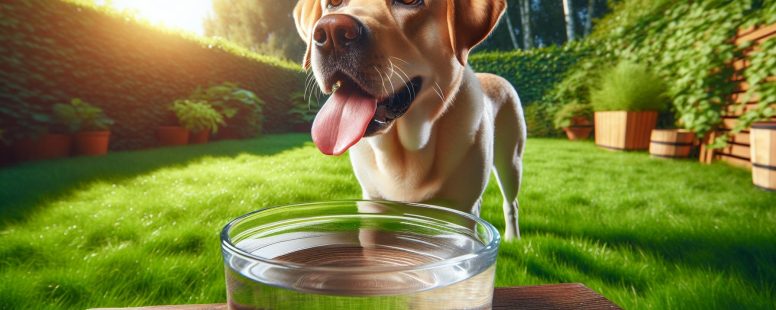
Understanding Canine Hydration: How Long Can a Dog Survive Without Water?
Ever wondered how long your furry friend can survive without water? It’s a question that might seem simple, yet it carries immense significance for every dog owner. After all, understanding your pet’s needs is crucial to their health and well-being.
In the wild, dogs are known for their resilience and adaptability. But when it comes to hydration – just like us humans – they have specific requirements too! So let’s jump into this fascinating topic together and unravel some essential facts about canine hydration you might not be aware of yet. Stay tuned as we explore the science behind our four-legged friends’ thirst mechanism in this enlightening journey ahead.
Understanding Dog Physiology
Delving into dog physiology, it’s crucial to grasp their hydration needs. Just as humans do, dogs rely heavily on water for numerous physiological functions.
Dogs’ Water Needs
Dogs are primarily composed of water – around 60% to be precise. The percentage varies based on factors like age and fat content in the body; puppies typically have a higher proportion (up to 80%). This fluid is distributed across various components such as blood (which itself is about 83% water), muscles (~75%), and even bones containing approximately half its weight from water! That means if your furry friend weighs about 50 pounds, nearly thirty pounds would constitute just H2O!
Every bodily function that occurs within a canine requires this vital resource: digestion? Check. Blood circulation? You betcha. Waste removal or temperature regulation? Absolutely yes! Henceforth any shortfall impacts these systems negatively.
It’s worth noting here that while food does provide some moisture – think wet pet food being roughly 78% liquid – it’s usually insufficient for meeting their daily requirements alone.
Hydrating for Health
So how much should you hydrate your pup ideally? Well-recognized guidelines suggest one ounce of water per pound of bodyweight each day under normal circumstances—so a twenty-pound pooch would need at least three cups daily—but remember activity levels can dramatically alter this number upwards.
But don’t wait until Fido looks parched before topping up his bowl—it’s important not just when he appears thirsty but throughout the entire day too because dehydration can occur quite rapidly in animals due to their high metabolic rate.
Keep an eye out also for signs indicating excessive thirst which might signal health issues such as diabetes or kidney problems—a sudden increase in drinking frequency warrants consultation with a veterinarian pronto!
Summarising then, understanding our four-legged friends’ physiological demands empowers us owners towards ensuring optimal care thereby helping them live healthier, happier lives.
Factors Affecting a Dog’s Hydration Need
Just as in humans, various factors affect how much water your dog needs. Here are some key determinants:
Age and Size of the Dog
The age and size of a dog play significant roles in determining its hydration requirements. Puppies tend to have higher water content than adult dogs – up to 80% compared with about 60%. So, they need more frequent hydration.
Similarly, larger breeds generally require more water due to their greater body mass. For instance, an Alaskan Malamute averages around 85 pounds; it typically requires approximately seven cups (56 ounces) of fresh drinking water daily under normal conditions.
Level of Activity and Environment
Your canine companion’s activity level significantly impacts his or her thirst levels. Dogs that get regular exercise sweat through their paws and pant heavily during strenuous activities – both actions deplete body moisture reserves quickly leading them to drink more frequently.
Also, environmental elements such as climate also influence dogs’ hydration habits drastically. Hotter climates increase evaporation from the skin surface accelerating dehydration risk thereby demanding increased fluid intake for replenishment purposes whereas cooler environments may not demand similar consumption rates unless accompanied by high physical exertion levels which again lead back towards accelerated loss via sweat & heavy breathing respectively.
The Dog’s Diet
A diet comprising mainly dry food increases your pooch’s reliance on external sources like drinking bowls while wet foods can contribute considerably towards fulfilling essential liquid quotas considering these usually contain between 70-80% moisture aiding greatly reducing additional requirement burden otherwise borne solely by direct drinks only serving purposefully when required instead becoming mandatory supplements needed throughout day regardless situation at hand especially if one chooses lean entirely upon kibble type feeds alone without incorporating canned variants into meal plans regularly too ensuring balanced approach toward nutritional management across board so promoting overall health longevity well-being amongst pet population universally worldwide eventually achieving ultimate goal responsible pet ownership i.e., happy healthy pets.
How Long Can a Dog Go Without Water?
Understanding the timeframe dogs can endure without water is critical. This information not only aids in providing adequate care but also helps prevent potential health risks related to dehydration.
The Warning Signs of Dehydration in Dogs
Dehydration triggers noticeable changes within your dog’s physical state and behavior. Early signs include panting excessively, displaying less energy or sluggishness, and loss of appetite – all indicating an immediate need for hydration. As it worsens, you might notice sunken eyes or dry gums; their skin may lose elasticity too.
For instance:
- Normal skin will return promptly when pinched.
- Dehydrated skin returns slowly due to lack of fluidity.
In severe cases, lethargy sets in while urine output decreases significantly – these symptoms necessitate urgent veterinary attention as they indicate advanced stages of dehydration which could be life-threatening.
Potential Health Issues from Dehydration
Prolonged periods without water intake have detrimental effects on a dog’s overall wellbeing leading to serious conditions like kidney failure and heatstroke:
- Kidney Failure: A chronic lack of fluids impacts the kidneys’ ability to filter toxins effectively out from bloodstreams thereby damaging them irreversibly over time.
- Heatstroke: With insufficient body cooling through evaporative losses (panting), high external temperatures coupled with vigorous activity often results in overheating termed ‘heat stroke’. Immediate intervention becomes crucial here since if left untreated, this condition causes multiple organ dysfunction syndrome(MODS).
Practical Ways to Encourage Water Intake in Dogs
Having understood the critical importance of water for your dog’s health, let’s jump into practical methods that can help ensure proper hydration. Here are two effective strategies: ensuring always fresh water and using water-enriched foods.
Ensuring Always Fresh Water
Freshness matters! It applies not only to the food we consume but also to our dogs’ drinking habits. Stale or contaminated water could discourage a dog from hydrating itself adequately. Hence, maintaining clean and fresh bowls of water is an absolute must-do task for pet owners.
- Cleanliness counts: Make sure you regularly wash your dog’s bowl with soap and warm water before refilling it – at least once every day.
- Frequent replenishment: Avoid filling up large containers which sit out all day long; instead refill smaller amounts frequently throughout the day as this will guarantee fresher tasting supply.
By implementing these practices, you’ll likely notice increased interest in their drink!
Using Water-Enriched Foods
Hydration isn’t solely about gulping down plain old H2O – it can be integrated into meal times too! If dry kibble makes up most (or all) of your pooch’s diet then there might be room for improvement on how much moisture they’re receiving through meals.
- Wet Food Inclusion: Consider incorporating wet canned food along with dry feed because high-quality canned foods usually contain 70%-80% moisture content compared to merely 10% in average dry feeds!
2.Enhance Hydrated Meals : You may want add some broth or unsalted soup over their regular kibble ,which make them find more tasty while sneakily increasing fluid intake . Just remember avoid broths containing onions/garlic/added salt due its toxicity potential .
So next time when planning pup chow-downs think beyond conventional feeding norms by making use of these water-enriching tricks.
What To Do If Your Dog Isn’t Drinking Water
Your dog’s hydration is critical for its overall health. It can be concerning if your pet isn’t drinking enough water, but don’t panic; there are actions you can take.
When to Seek Veterinary Help
A sudden change in a dog’s drinking habits indicates potential health issues. Monitor your pet closely when they’re not consuming their usual amount of water and seek immediate veterinary help under the following circumstances:
- Persistent lack of interest in water: Dogs generally love lapping up fresh, clean water at regular intervals throughout the day. A consistent refusal to drink suggests an underlying problem.
- Showing signs of dehydration: Symptoms such as dry gums, sunken eyes or excessive panting suggest severe dehydration that requires prompt medical attention.
- Other abnormal behaviors accompany reduced intake: Loss of appetite or lethargy combined with decreased thirst might indicate illness.
Remember: Prompt intervention prevents serious complications from prolonged periods without sufficient water intake.
Encouraging Hydration In Your Dog
To stimulate a healthy drinking habit in dogs reluctant to hydrate regularly try these strategies:
- Maintain freshness: Clean bowls frequently and replenish smaller amounts more often ensuring access to cool, clean refreshment all day long.
- Incorporate moisture-rich foods into meals: Wet canned food or broth-added kibble provide additional sources of hydration beyond mere liquids
3.Switch Up The Source : Some dogs may prefer running faucet over stagnant bowl-water.Try offering alternative like hosepipe,fountain etc
4.Toy Treats:Ice cubes make interesting toys while simultaneously increasing fluid consumption
Understanding the Seriousness of Dehydration in Dogs
Recognize, first and foremost, that dehydration poses a serious health risk to dogs. When your furry friend doesn’t consume enough water or loses too much due to illness or heat, it’s left with insufficient hydration for normal body functions.
Causes of Dehydration in Dogs
Dog dehydration typically stems from two primary causes: inadequate water intake and excessive fluid loss. For instance, if you’re out hiking on a hot day without ample drinking stops, your dog could quickly lose fluids through panting.
Also consider diseases like diabetes and kidney disorders which may increase urination frequency – an example illustrating how illnesses contribute towards higher fluid loss.
Finally but importantly is vomiting or diarrhea; these conditions lead to rapid liquid depletion from the canine system making them prime culprits behind acute doggy dehydration episodes.
Signs Your Dog May Be Dehydrated
Identify potential warning signs early so as not let things escalate beyond control:
- Pant excessively – indicative of overheating.
- Exhibit lethargy – quite contrary their usual energetic self.
3- Experience dry mouth resulting sticky saliva– point toward significant moisture deficiency within body systems.
4- Show sunken eyes – another sign showing reduced bodily fluids levels significantly below norms.
If any symptoms surface persistently even though providing adequate fresh water access throughout the day along prompt veterinary attention becomes necessary immediately prevent possible escalation into severe life-threatening situations such Kidney failure Heatstroke just name few
Remember also monitor closely for sudden behavioral changes including abnormal thirst increases often signal underlying medical issues needing professional intervention sooner rather later
Prevention Tips Against Canine Dehydration
Prevent this condition by taking proactive steps:
- Provide continuous fresh-water supply – ensuring frequent bowl refills especially during summer months when evaporation rates spike high temperatures soar skyward,
- Monitor daily consumption patterns vigilantly adjust accordingly based individual needs breeds activity levels dietary habits,
- Introduce moisture-rich foods diet – ideal examples include wet canned food homemade broths add substantial hydration quotient meals,
- Consider using special water dispensers designed encourage drinking dogs – featuring free-flowing streams that entice pets drink more often than usual.
Conclusion
Understanding your dog’s hydration needs is vital for their overall health and well-being. Remember, while dogs have a natural resilience, they still require sufficient water intake daily based on factors such as size, age and activity level. Never underestimate the importance of keeping fresh water available throughout the day to prevent dehydration which can lead to severe health issues if not addressed promptly.
Also keep an eye out for signs of excessive thirst or any changes in drinking habits; these could be indicators of potential underlying problems needing veterinary attention. Encourage hydration by incorporating moisture-rich foods into your pet’s diet or using ice cubes as toys – innovative ways that make hydrating fun!
So now you’re equipped with knowledge about canine hydration: what it entails, why it matters so much and how you can ensure optimal care for your furry friend!

- How Much Does a Riding Lawn Mower Weigh? - January 9, 2026
- Can You Park Cars in Your Backyard? - January 3, 2026
- Understanding Drone Overflights and Privacy Concerns - January 3, 2026