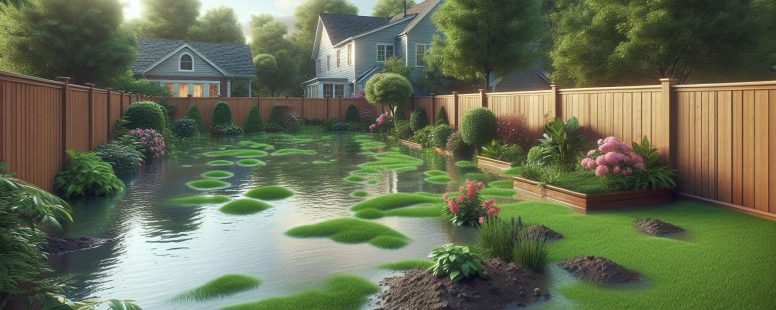
Why Does My Backyard Flood When It Rains? Causes & Solutions Explained
Common Causes of Backyard Flooding
Understanding why your backyard floods is crucial for finding effective solutions. Several factors may contribute to this common issue.
Poor Drainage Systems
Your drainage system might not efficiently remove excess water if it’s poorly designed or maintained. Blocked gutters and clogged surface drains can exacerbate this issue. Regular inspections can help. Look for debris buildup in drains and gutters. Clean these regularly and ensure downspouts direct water away from your home.
Impervious Surfaces
Surfaces like concrete and asphalt don’t absorb rainwater, leading to increased runoff. You might notice water pooling in your backyard if these surfaces are extensive. Consider alternatives like gravel or permeable pavers. These allow water to seep into the ground, reducing runoff.
Geographic and Topographic Factors
Certain geographic and topographic features can predispose your yard to flooding. Low-lying areas often collect more water. If your property sits at the bottom of a slope, you might experience excess runoff. Assess your yard’s grading. A gentle slope away from your home typically helps.
Identifying the Source of the Problem
Understanding why your backyard floods when it rains starts with pinpointing the main source of the issue. You’ll find that the key to resolving this wet predicament lies in examining multiple factors that contribute to drainage problems.
Conducting a Site Assessment
Begin with a thorough site assessment, looking at your property’s world. You’ll want to walk around the yard, noting areas where water pools or flows heavily. If sections of your yard seem soggier than others, dig a bit deeper—literally—to check soil composition and compaction. Grab a spade and dig small test holes in different spots. Check if the soil is clay-heavy which can impede drainage or if it’s sandy and allows water to seep through too quickly. If rising dampness is noticed, consider soil amendments like adding organic matter to improve structure.
Signs of Drainage Issues
Spotting drainage issues early saves you time and effort down the line. Look for telltale signs like water stains on your house foundation, eroded pathways, or areas where grass struggles to grow. Do gutters overflow during heavy rain? This might indicate they’re clogged or undersized. While inspecting, note if water tends to move towards your home rather than away—possible grading issues if it does. Check for unexpected dips or depressions too, as they often collect water and contribute to pooling. By recognizing these signs, you prepare yourself for targeted and effective solutions.
Solutions to Prevent Backyard Flooding
Dealing with a flooded backyard can be a challenge, but several effective solutions exist to manage and prevent water accumulation. Let’s explore some practical methods to maintain a dry and inviting outdoor space.
Improving Drainage
Proper drainage is crucial for preventing backyard flooding. Begin by assessing the current drainage system and identifying problem areas like blocked gutters or insufficient slope. Consider installing French drains, which are trenches filled with gravel, to redirect water away from your home. Use a downspout extension to channel runoff further from the foundation. Regularly clean gutters to ensure they aren’t blocked by leaves or debris. Test the efficiency of your current setup by observing water flow during a moderate rain to ensure you address the correct issues.
Installing a Rain Garden
Rain gardens offer an eco-friendly solution to backyard flooding. They capture runoff while enhancing the world with native plants that thrive in wet conditions. To start a rain garden, choose a low-lying area where water tends to pool. Dig a shallow depression and fill it with a mix of sand, compost, and topsoil to promote absorption. Select plants such as Joe-Pye weed or switchgrass, which are adapted to both dry and wet conditions. Monitor your rain garden’s performance over time, making adjustments as necessary to improve its ability to manage excess water.
Utilizing Permeable Pavements
Permeable pavements reduce surface runoff by allowing water to seep through and into the ground. Replace traditional concrete or asphalt paths with gravel, permeable pavers, or pervious concrete. These materials provide the necessary strength for walkways while enhancing drainage. When installing permeable pavements, ensure a stable sub-base of crushed stone to promote infiltration. Regular maintenance, like sweeping to clear debris, helps maintain permeability. By incorporating these elements in your backyard design, you’ll minimize water accumulation and improve the overall functionality of your outdoor space.
When to Call a Professional
Backyard flooding can overwhelm your DIY efforts. Recognizing when it’s time to call in an expert can save you time and money while ensuring effective solutions.
Understanding Complex Issues
Some backyard flooding problems go beyond simple fixes. Your backyard might have intricate issues like improper grading or underground water flow that’s difficult to diagnose. These challenges often necessitate a professional’s expertise. In cases where water consistently pools in specific areas after heavy rains, it could indicate a more complex drainage issue. And, if you’ve already tried several strategies without success, consider reaching out to a drainage specialist.
Seeking Expert Advice
Professionals have the tools and knowledge to tackle tough problems. They assess your entire property, considering soil composition, world design, and nearby water sources. Sometimes, a visit from an expert can uncover solutions you haven’t thought of, like installing a French drain or regrading areas. Plus, they’ll offer tailored recommendations based on your unique property needs. If you’re unsure about the extent of flooding damage or need guidance on preventing future issues, seeking expert advice can be invaluable.
Paul West from ‘The Backyard Rocks’ shares not only these insights but also offers practical advice for maintaining your yard. Paul suggests that knowing when to step back and let an expert handle complex situations is just as crucial as tackling simpler tasks yourself.
Conclusion
Addressing backyard flooding involves understanding the unique factors contributing to the issue on your property. By recognizing signs of poor drainage and assessing your world, you can carry out effective solutions like installing French drains or creating rain gardens. Remember, while many strategies can be tackled on your own, some situations may require professional expertise. Don’t hesitate to seek help when necessary to ensure the longevity and functionality of your outdoor space. With the right approach, you can transform a flood-prone yard into a thriving, well-drained sanctuary.

- How Much Does a Riding Lawn Mower Weigh? - January 9, 2026
- Can You Park Cars in Your Backyard? - January 3, 2026
- Understanding Drone Overflights and Privacy Concerns - January 3, 2026