How to Stop Neighbors From Parking in My Driveway
Dealing with neighbors who consistently park in your driveway can be frustrating and disruptive. While maintaining harmony with those living close by is ideal, respecting boundaries, quite literally, in this case, is equally important. This guide provides actionable strategies to address this issue effectively and diplomatically, allowing you to reclaim your space while preserving good relations.
Understanding the Issue
Legal Rights and Responsibilities About Private Driveways
Owning or renting a property with a private driveway grants you the right to control its usage. Legal regulations often prohibit others from using your driveway without permission, and excessive infringement can constitute trespassing. Understanding your local laws helps you establish solid grounds for your actions.
Identifying and Addressing Repeat Offenders
Observe which vehicles repeatedly violate your driveway space and document these occurrences. Gather specific details such as times and license plate numbers. Addressing recurring offenders is often more manageable once patterns are identified.
Effective Ways to Prevent Unauthorized Parking
Installing Clear and Visible Signage
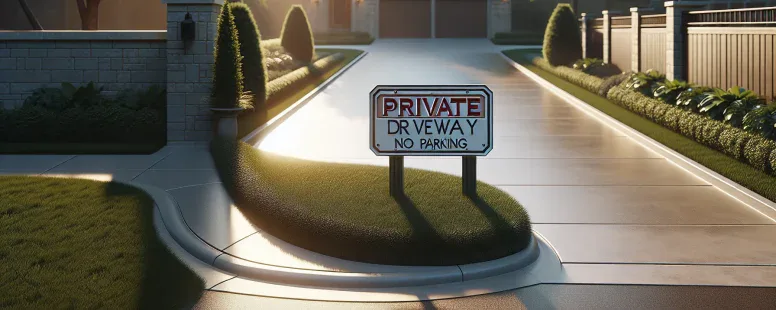
Place prominently visible signs near your driveway’s entrance specifying “No Parking – Private Driveway” or similar warnings. Signage alerts others of the restriction, reducing misunderstandings due to lack of clarity.
Using Physical Barriers, Such as Gates or Bollards
Install gates or bollards to physically prevent vehicles from entering your driveway. Magnetic or retractable options provide increased convenience for authorized users while fostering an accessible deterrent to unauthorized parking.
Communicating Directly with Neighbors
Approaching the Topic Respectfully
Initiate a conversation with the neighbors who may be causing the issue. Express your concerns in a considerate tone, emphasizing how their actions have affected you. Calm dialogue often resolves misunderstandings amicably without escalating tensions.
Resolving Disputes Amicably
Should initial discussions not produce the desired outcome, consider mediation services to help neutral and constructive conversations. Community-based approaches can foster long-term mutual understanding.
Taking Legal Actions If Necessary
Consulting Local Law Enforcement or HOA
If informal resolution methods fail, involve local law enforcement or seek advice from your Homeowners Association (HOA). Both entities can offer support and guidance suited to your community’s policies.
Exploring Small Claims Court as an Option
When no other option remains, consider filing a claim in small claims court. Presenting documented evidence and explaining the impact on your daily life supports your case for obtaining an enforceable solution.
- How Much Does a Riding Lawn Mower Weigh? - January 9, 2026
- Can You Park Cars in Your Backyard? - January 3, 2026
- Understanding Drone Overflights and Privacy Concerns - January 3, 2026