Birds’ Response to Nest Loss: Rebuild and Adapt
Imagine discovering your home suddenly demolished, your safe haven turned to rubble. That’s the stark reality for birds when their nests are destroyed. Whether due to natural disasters, predatory attacks, or human interference, these feathered architects are faced with a critical survival challenge.
You might wonder how they cope with such a loss. Birds’ responses to their homes being destroyed can be as varied as their species, yet they share an instinctive drive to persevere and rebuild. Understanding their resilience can give us insight into the remarkable adaptability of nature.
Birds’ reactions to nest destruction are a testament to their survival skills. They must quickly assess their options and take action, whether that means starting from scratch or salvaging what’s left. Let’s take a closer look at the fascinating behaviors birds exhibit in the face of adversity.
Assessing the Damage
When birds find their nests in disrepair, their first response is often to take stock of the situation. You might wonder how these small creatures manage this. Well, mother nature has equipped them with an innate ability to evaluate their surroundings and the state of their home.
Immediate action is typical following a disaster. Birds check for remaining materials, which could include branches, leaves, mud, and feathers, and swiftly determine whether these can be used for repairs or if starting over is the only option. Predation events, on the other hand, can dramatically change the landscape of the nest area. When an egg or fledgling is taken, the responses vary significantly.
Some species are determined to stay put, insisting on using the original location. This resilience showcases their strong territorial instincts and their connection to a particular site, which often has proven resources and safety.
For many birds, the next step after damage assessment involves seeking alternative sites for a new nest. Renovation isn’t always feasible, and finding a new spot might prove the best chance for their next clutch to survive. Strong parental instincts drive them to quickly adapt to new conditions, showing their remarkable versatility.
During your observation of their behavior, you may notice the meticulous care they take in selecting materials, ensuring the stability and safety of their new nest. Surviving challenges like nest destruction is part of their seasonal cycle, and their persistence is vital for the continuation of their species.
Birds’ assessment of nest damage is not just about repair. It is intimately tied to their survival and reproductive success. Keeping an eye out for safe locations, accessible resources, and potential threats shapes their response and ultimately, their resilience in the face of adversity.
Starting from Scratch

When a bird’s home is torn apart, it’s not the end of the road. These winged wonders are resourceful architects that don’t waste time lamenting over their shattered abodes.
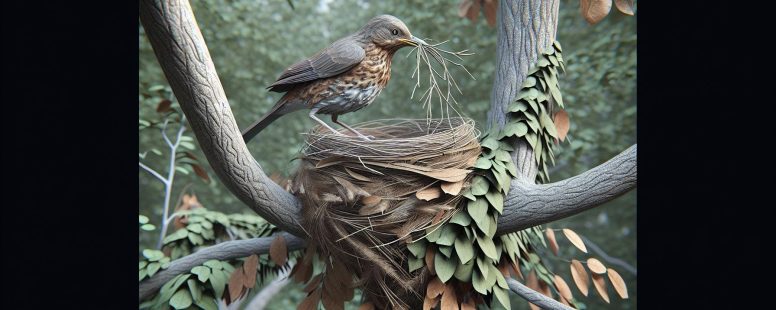
Birds are quick to act when faced with the task of rebuilding. They’ve got a knack for seeking out materials with a zeal that’s nothing short of impressive. Twigs, leaves, and even bits of trash become the foundation of their new dwellings. You’ll see them zipping from tree to bush, mission-driven and focused. Within days, or sometimes just hours, a new structure starts to take shape.
It’s fascinating how they prioritize location. Birds don’t just pick a spot randomly; they factor in safety and proximity to food sources. Some might return to the original site if it still holds strategic advantages. Others may scout for a safer locale, proving just how adaptable these creatures are.
Their instinct to construct is driven by both necessity and instinct. Mating seasons wait for no bird, and the clock is ticking. They must create a secure environment not only to woo a mate but also to ensure the future generation has a fighting chance.
Bird activity intensifies during the rebuilding process. It’s a period of both urgency and ingenuity, as they can’t afford to be homeless for long. This goes to show that birds, much like humans, have an inherent desire for shelter and stability—their survival depends on it.
In the vast and varied tapestry of the animal kingdom, birds’ responses to nest destruction are a testament to their resilience. Their ability to start from scratch is a marvel to observe, indicative of a life constantly in flux yet grounded by instinctual behaviors that have been honed over millennia.
Salvaging what’s Left

When disaster strikes a bird’s nest, the initial response may be to think all is lost. However, these feathered creatures are quick to turn misfortune into opportunity. Your keen interest in avian behavior will reveal that birds are not just innovative builders; they’re also skilled in salvaging what remains of their damaged homes.
In the aftermath of nest destruction, birds swiftly assess the damage. They’ll scour through the debris to reclaim usable materials – all to save time and energy on their reconstruction project. Pieces of the original nest that are still intact, such as sturdy twigs or unharmed bits of foliage, are often recovered and incorporated into the new structure.
Safety remains a top priority for birds looking to reestablish their homes. As they collect those surviving fragments, they’ll also be on the lookout for predators or other potential threats. You’ll find that, in urban settings, birds might even utilize man-made objects they encounter – string, paper, or cloth can all become part of a bird’s eclectic rebuilding palette.
Reusing materials isn’t just about efficiency; it’s about survival. During breeding season, time is of the essence. Birds need to ensure they have a secure place to lay their eggs and raise their young. By making the most of what’s left, birds demonstrate resourcefulness that ensures their lineage continues despite unexpected hardships.
As you monitor their progress, you’ll notice that this phase of reconstruction is a critical time. Each reclaimed item is a small victory, a step closer to the goal of having a functional nest once more. Adaptability is key, and birds exhibit this trait in abundance as they work to recreate the sanctuary they’ve lost.
The Implications for Survival

When a bird’s nest is torn apart, it’s not just a simple matter of inconvenience. Their nests are much more than mere shelters; they’re pivotal for the continuation of their species. Each little creature facing this hardship is pushed into a race against time to safeguard its existence and the survival of its potential offspring. Here’s what it means for these winged wonders.
Breeding Success Is Directly Linked to Nest Integrity. Birds rely on the security of a well-constructed nest to lay and incubate their eggs. Without this secure space, the chances of successfully raising a brood plummet drastically. Time is typically not on their side either, particularly during peak breeding seasons when every second counts.
Predation Risks Increase Without Proper Shelter. In the absence of a secure nest, eggs and nestlings become easy pickings for predators. Birds must act swiftly to reconstruct their homes. Their keen sense for selecting hidden or hard-to-reach places for new nests is a testament to their acute awareness of potential threats.
Resource Availability Dictates Rebuilding Speed. The abundance or scarcity of building materials can make all the difference. Birds in resource-rich environments tend to bounce back faster. However, those in urban areas or places with limited natural materials often get creative, which can be time-consuming.
Behavioral and Physical Stressors. Beyond the practical side of things, the destruction of a nest can impose considerable stress on birds. You’ve got to recognize the physical toll that constant rebuilding has on these creatures. Their dogged determination to recreate a safe environment to secure their lineage is nothing short of admirable.
How Birds Recoup After Nest Loss
Understanding how birds respond to the loss of their nest gives us insights into their resilience:
- They scan the environment for immediate dangers.
- They re-collect and re-use materials that have survived.
- They find new locations that promise better safety and access to sustenance.
- They adapt their construction techniques to the materials and time available.
Witnessing the aftermath of nest demolition and observing how these feathered beings reclaim control over their destiny is incredibly revealing. Each piece of twig or string they interlace into the fabric of their new home acts as a symbol of hope and perseverance. The struggle for survival is deeply ingrained in their actions and showcases the extraordinary lengths they go to continue their legacy.
Conclusion
Discovering the resilience of birds in the aftermath of nest destruction underscores their remarkable adaptability. You’ve seen how they don’t just give up when faced with adversity but instead rise to the challenge with urgency and creativity. They’re not just building nests; they’re ensuring the continuation of their species. Their ability to bounce back from loss with such determination is a testament to the incredible survival instincts found in nature. Remember, the next time you spot a bird swiftly constructing its home, you’re witnessing a profound act of perseverance and an inspiring lesson in resilience.

- How Much Does a Riding Lawn Mower Weigh? - January 9, 2026
- Can You Park Cars in Your Backyard? - January 3, 2026
- Understanding Drone Overflights and Privacy Concerns - January 3, 2026