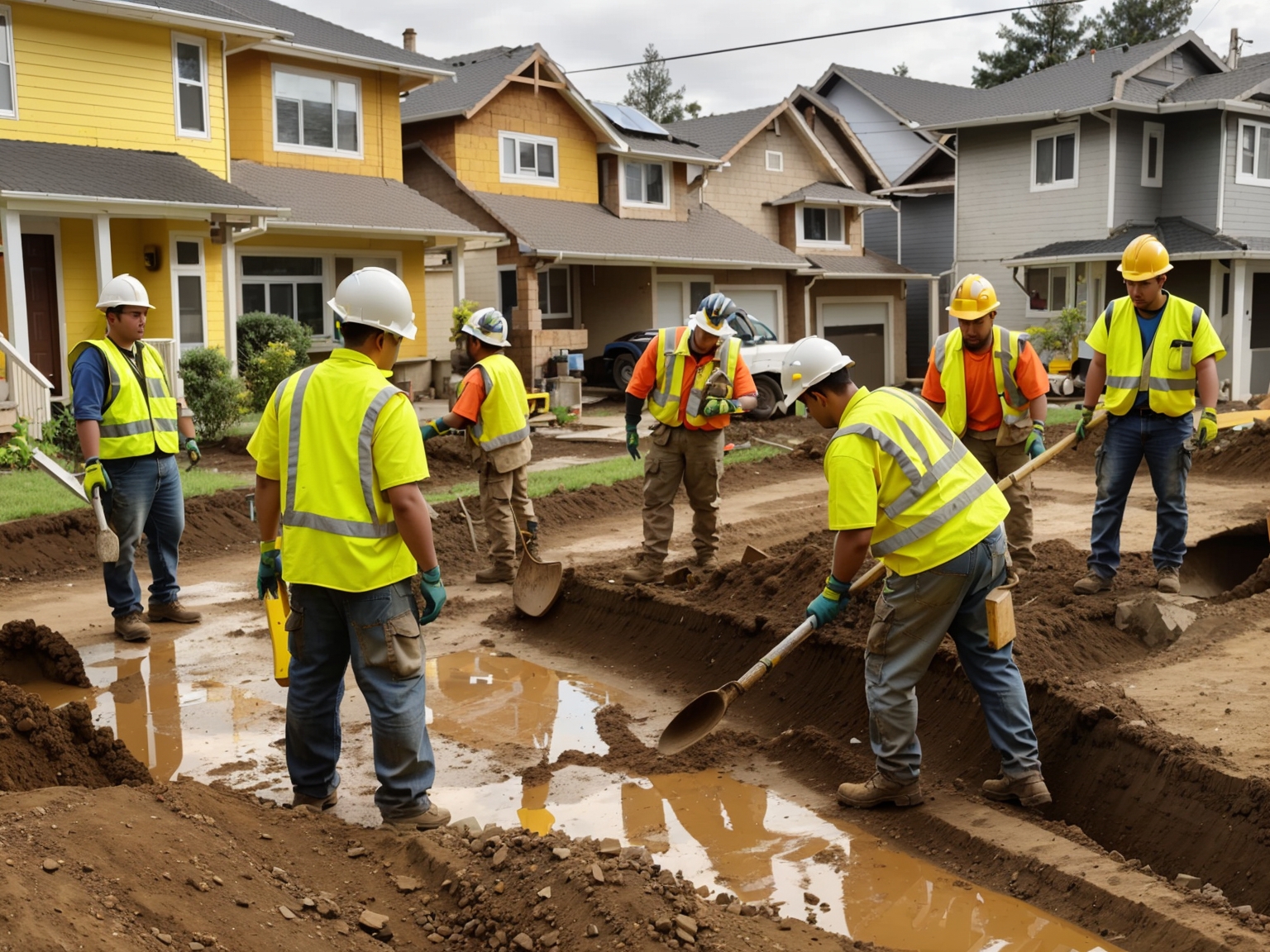
When Is the Best Time to Extend a Driveway? Seasonal Tips for Perfect Timing
Picture pulling into your driveway with ease, no more squeezing past tight corners or worrying about parking space. Extending your driveway can transform your home’s curb appeal and boost its value, but timing plays a crucial role in making the most of this upgrade. When you choose the right moment, you not only save money but also avoid common pitfalls that can turn a simple project into a costly headache.
Seasonal changes, weather conditions, and even your daily routine all influence the perfect time to extend your driveway. Knowing when to act ensures smoother construction, better materials performance, and long-lasting results. Ready to discover the ideal window to expand your driveway and enjoy a hassle-free renovation? Let’s jump into the factors that make timing everything in this essential home improvement.
Understanding Driveway Extension
Extending your driveway happens for reasons beyond just adding space. You want to understand why and how to extend effectively so that the investment pays off and fits your lifestyle.
Reasons to Extend a Driveway
You might extend your driveway when parking becomes limited, especially if your household upsizes with new drivers or additional vehicles. Picture arriving home after a long day with no available space on the street; a wider driveway eliminates that daily hassle. Another common reason involves improving accessibility. For instance, if you own a small business with frequent client visits or delivery trucks, extending the driveway can prevent blocking traffic or creating congestion. Sometimes, aesthetic upgrades prompt extension—matching a wider driveway to a modern home facade enhances curb appeal, boosting property value. Yet, consider zoning restrictions since local regulations might restrict expansion dimensions or impose permits, so it’s wise to consult with your city planning office before beginning any work.
Common Types of Driveway Extensions
Multiple driveway extension types exist, each suited to particular needs. Concrete extensions provide durability but can crack if installed in cold climates without proper insulation. Asphalt is quicker to lay and cost-effective but demands annual sealing to avoid deterioration. Gravel offers an affordable option for rural or less trafficked areas, but it requires frequent maintenance and re-leveling. Pavers create visually stunning finishes, adapting to custom shapes, though their installation involves higher upfront expenses and skilled labor. For instance, a California homeowner replaced an old narrow driveway with permeable pavers reducing runoff and improving street drainage simultaneously, showing that extensions offer functional and environmental benefits. When selecting a type, evaluate your budget, climate, and usage frequency carefully.
By recognizing the underlying motivations for extending and discovering various extension styles you can make decisions grounded in your needs, budget, and future plans. You’ll sidestep common pitfalls and ensure your driveway serves its purpose efficiently and adds lasting value to your property. Consider your peak usage times and traffic flow patterns when planning the extension to avoid disruptions later on. When you ready, your driveway becomes more than just a parking spot—it transforms into a seamless entryway complementing your home’s design and your daily routine.
Factors Affecting the Best Time to Extend a Driveway
Knowing when to extend your driveway hinges on several crucial factors. These elements influence project duration, cost, and overall success, making them essential to consider before you pick up a shovel or call a contractor.
Seasonal Considerations
Seasons dramatically influence driveway extension projects. Spring and early fall offer mild temperatures and moderate humidity, creating ideal conditions for concrete curing or asphalt laying. For example, in springtime, ground thaw and less precipitation allow materials to set firmly, reducing the risk of cracks or shifting. Conversely, winter exposes your project to freeze-thaw cycles that can cause premature damage, and summer’s intense heat risks rapid drying, leading to surface imperfections.
You might notice contractors prefer scheduling jobs during these shoulder seasons for optimum outcomes. If you aim to avoid delays caused by rain or snow, then aligning your timeline with local climate patterns proves essential. Seasonal timing not only affects material performance but also the availability and cost of labor, which tend to fluctuate throughout the year.
Weather Impact on Construction
Weather conditions play a pivotal role in the quality and speed of driveway extensions. Rainfall disrupts pouring and compaction processes, potentially wash away unprotected soil, or cause slurry in asphalt mixes. Windy days might dry cement too fast, compromising structural integrity, while extreme sun exposure can cause premature cracking.
Picture pouring concrete during a sudden downpour; you’d risk a weakened surface prone to future damage. You must schedule around weather forecasts, favoring days with consistent temperatures between 50°F and 77°F (10°C–25°C). This temperature range promotes curing while minimizing stress on materials. Unexpected weather shifts also delay machinery operation and material deliveries, increasing your project’s cost and timeline.
Local Regulations and Permits
Local zoning laws and permit requirements shape when and how you extend your driveway. Many municipalities enforce restrictions on driveway size, placement, and materials to ensure safety and neighborhood consistency. For instance, a city may limit driveway expansions near fire hydrants or on properties with steep slopes.
Obtaining permits often involves inspections and bureaucratic processing, which can take weeks or longer. Ignoring these rules can lead to fines, forced removal, or costly modifications. You’ll want to check with your local building authority early to understand restrictions specific to your property.
Also, community development plans or utility easements may affect construction timing. Projects delayed by pending approvals risk weather exposure or labor cost increases.
| Factor | Effect on Driveway Extension | Example/Consideration |
|---|---|---|
| Seasonal Considerations | Optimal curing conditions, labor availability | Spring/fall preferred over winter/summer |
| Weather Impact | Delays and potential structural compromises | Avoid rainstoorms or extreme temperatures |
| Local Regulations | Timing based on permit acquisition and compliance | Zoning laws against expanding near easements |
Choosing the best time to extend your driveway involves weighing these interconnected factors carefully. Having solid plans grounded in local weather patterns, seasonal shifts, and regulatory frameworks prevents costly errors and ensures your driveway lasts for years. Take the time to research thoroughly and schedule smartly to transform your driveway extension from a challenging job into a seamless upgrade that fits your lifestyle perfectly.
Planning Your Driveway Extension Project
Extending your driveway demands careful planning to ensure the project aligns with your budget, materials, and skillset. Thoughtful decision-making at this stage will nudge the process toward success while preventing costly errors.
Budgeting and Materials
Start by sketching a clear budget that accounts for all expenses—from materials to labor to permits. Concrete, asphalt, gravel, and pavers each brings unique costs and maintenance needs. For example, concrete drives boast durability but often carry higher upfront costs; gravel is budget-friendly but requires frequent upkeep. If your budget is limited, gravel or interlocking pavers offer attractive and affordable solutions that might surprise you with their lasting appeal. Consider also hidden costs like drainage work or landscaping that often accompany extensions.
Would you invest more in eco-friendly permeable pavers that improve water runoff or choose cost-efficiency with traditional asphalt? Understanding what materials fit your climate and daily usage habits change everything. Citing a 2023 report from HomeAdvisor, concrete driveway costs range from $6 to $14 per square foot, while asphalt runs $3 to $5 per square foot, showcasing stark differences that impact your budget’s stretch. Reflecting on these variances, you can craft a budget both realistic and flexible.
Hiring Professionals vs. DIY
You might be tempted to tackle the extension yourself to save money. While DIY projects offer creative control and satisfaction, driveway extensions often involve technicalities beyond the novice’s grasp. Precise grading, sub-base compaction, and correct material mixing contribute to longevity but require equipment and expertise. Picture laying uneven asphalt that cracks within months or concrete pouring that forms puddles — nightmares that professional knowledge wards off.
Hiring a licensed contractor guarantees compliance with local zoning laws and access to quality materials, backed by warranties protecting your investment. It’s advisable to obtain multiple quotes and check references to avoid scams and subpar workmanship. Yet, if you possess strong construction skills and time allows, doing it yourself brings unmatched personal fulfillment and cost savings, though the risk of errors increases.
Think beyond the obvious financial calculations. Have you considered how much your time is worth? Or that a poorly done job reduces your property value? Balancing these factors helps decide the best path.
Each decision interlocks like stones in your extended driveway, shaping a project that’s durable, beautiful, and functional. Planning with intention shapes success; delay or disregard invites complications. Choose thoughtfully and start paving a path to improved home value and convenience.
Tips for Scheduling Your Driveway Extension
Scheduling your driveway extension cleverly boosts its success and reduces headaches. Here are crucial tips that help you fix the best timing by weighing seasons and weather.
Avoiding Peak Construction Seasons
Choosing to start your driveway extension outside peak construction seasons eases access to skilled labor and materials. Summer sees a surge in home projects, making contractors booked monthss ahead, while prices can spike due demand. For example, in urban areas like Chicago, scheduling in late spring or early fall often results in quicker project turnover and cost savings. You’ve got higher chances getting bids from multiple contractors which helps you spot the better deal.
Also, peak seasons often bring delays due to heavy workloads and prolonged permit approvals. By contrast, working in the shoulder months lets you avoid such bottlenecks and accelerates project completion. why some neighborhoods look like construction sites simultaneously during summer? That’s the effect of peak demand clustering. Skipping that rush means fewer interruptions for you.
Preparing for Weather Challenges
Weather significantly influences the quality and timeline of driveway construction. Concrete and asphalt require specific temperature ranges and dry conditions to cure properly; otherwise cracks and uneven settling might develop. You might picture laying asphalt in 90-degree heat or heavy rain can create a patchy surface prone to early damage. So, scheduling during mild and stable weather, usually found in spring or fall, maximizes durability.
Also, sudden storms or cold snaps can halt work unexpectedly, dragging out project durations. Keeping an eye on extended weather forecasts and having contingency plans ready ensures smoother progress. Have you ever had your plans wrecked by unpredictable weather? Planning around historical climate data for your locale mitigates this risk.
In sum, balancing your timing by dodging crowded seasons and tuning in to weather patterns not only lowers costs but guarantees a driveway extension that lasts. Knowing when to start is as vital as how you build, so embrace smart scheduling as your foundation for success.
Conclusion
Choosing the right time to extend your driveway can make all the difference in cost, quality, and convenience. By planning around mild weather and avoiding busy construction seasons, you set yourself up for a smoother project with better results.
Taking the time to understand local regulations and carefully selecting materials will also help you avoid unexpected delays and expenses. When you align your schedule with these factors, your driveway extension won’t just improve your home’s appearance—it’ll stand the test of time.
Remember, smart timing combined with thoughtful planning ensures your investment pays off in both function and value.

- How Much Does a Riding Lawn Mower Weigh? - January 9, 2026
- Can You Park Cars in Your Backyard? - January 3, 2026
- Understanding Drone Overflights and Privacy Concerns - January 3, 2026